
Main Courses
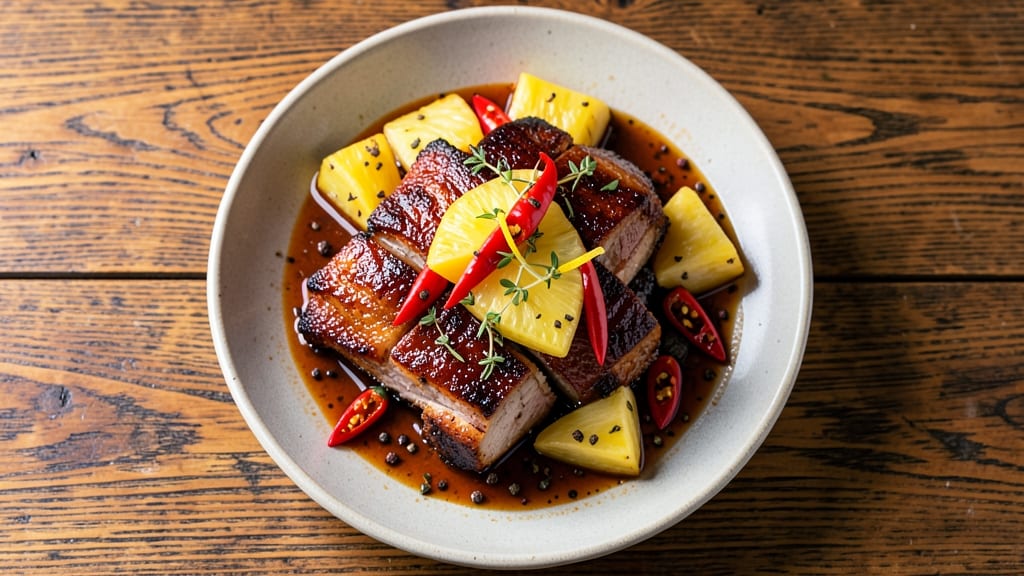
This Trinidadian char siu pork recipe transforms the classic Cantonese dish into something vibrant and tropical, where sweet pineapple glaze meets bold hoisin and local spices. What started as a weekend experiment after a trip to Trinidad—where I discovered how their bold flavors elevate everything—became my go-to for special occasions. The secret lies in balancing traditional char siu techniques with Caribbean heat and sweetness, creating pork that's tender, caramelized, and packed with layers of flavor.
The marinade is where the Trinidadian twist happens: hoisin meets fresh pineapple juice, Scotch bonnet peppers, and warm spices like allspice and thyme. This isn't your average char siu—it's a celebration of Caribbean boldness with Cantonese precision.
The pork roasts until the edges are crispy and glistening, while the glaze caramelizes into a sticky, sweet-savory crust that'll have everyone asking for seconds. It's the kind of dish that feels both familiar and excitingly new.
What makes this recipe work for home cooks is the simplicity behind the bold flavors. No fancy equipment needed—just a marinade, a roasting pan, and patience for the slow cook. The result? Juicy, flavorful pork that's perfect for festive gatherings or weeknight dinners when you want something special.
Pair it with festival (Trinidadian fried dumplings), roti, or even a fresh coleslaw to complete the meal.
This isn't just another char siu recipe—it's a fusion that honors both traditions while creating something entirely new. The pineapple-hoisin glaze adds a tropical brightness that cuts through the richness, making every bite unforgettable. Let's get cooking—your taste buds will thank you.
Ingredients for char siu pork recipe trinidad
Six bold flavors meet six Caribbean spices for this unforgettable Trinidadian char siu.
| Ingredient | Amount | Notes |
|---|---|---|
| Pork Shoulder 🥩 | 3 lb | Bone-in for flavor, cut into 1-inch chunks |
| Hoisin Sauce 🍶 | ½ cup | Store-bought or homemade, for depth |
| Fresh Pineapple Juice 🍍 | ¾ cup | From 1 ripe pineapple, no sugar added |
| Scotch Bonnet Peppers 🌶️ | 2 whole | Seeds removed for less heat |
| Allspice Berries 🌿 | 1 tbsp | Ground or whole, toasted for aroma |
| Fresh Thyme Leaves 🌿 | ½ cup | Stems removed, packed loosely |
| Brown Sugar 🍚 | ½ cup | Dark variety for deeper caramelization |
| Soy Sauce 🥢 | ⅓ cup | Light or dark, for umami balance |
| Garlic Cloves 🧄 | 6 cloves | Minced, for aromatic punch |
| Ginger Root 🌿 | 1 tbsp | Freshly grated, for zesty kick |
| Honey 🍯 | ¼ cup | For natural sweetness and shine |
| Sesame Oil 🫒 | 1 tbsp | Toasted, for nutty aroma |
| Vegetable Oil 🫒 | 2 tbsp | High smoke point for roasting |
| Salt 🧂 | 1 ½ tsp | Kosher or sea salt, for seasoning |
| Black Pepper 🌶️ | ½ tsp | Freshly cracked, for warmth |
The pork shoulder is the foundation—bone-in, not lean, for that melt-in-your-mouth texture. Look for well-marbled cuts at Whole Foods or your local butcher; they’ll often have it pre-cut for you. If you’re feeling adventurous, ask for a Trinidadian-style pork shoulder—some Caribbean markets carry it pre-seasoned, though I prefer doing it myself. The hoisin sauce? Lee Kum Kee is my go-to, but any brand with a rich, slightly sweet profile works. And don’t skip the Scotch bonnet—its heat is what makes this dish sing. If you can’t find fresh ones, dried habaneros rehydrated are a decent swap, though the flavor won’t be identical.
No Scotch bonnet? Jamaican hot peppers or even a mix of cayenne and allspice can mimic the heat, though the tropical brightness will be lost. Running low on hoisin? Mix soy sauce with a splash of molasses and a pinch of five-spice powder—it’s not the same, but it’ll save you. Fresh thyme wilt fast, so buy extra and store it in a damp paper towel in the fridge. The brown sugar is non-negotiable for that deep caramelization, but if you’re watching calories, coconut sugar works 1:1. And yes, you can use agave instead of honey, but the flavor won’t be as complex.
Marinated pork keeps 3-4 days in the fridge, but flavor deepens overnight—so plan ahead. Roast it uncovered for that crispy crust, and let it rest 10 minutes before slicing. Leftovers reheat beautifully in a 350°F oven for 20 minutes, covered loosely with foil. The glaze thickens as it cools, so if it’s too runny, simmer it down with a splash of water. Store in an airtight container for up to 5 days, or freeze the glaze separately for up to 3 months—it’s perfect for quick stir-fries or drizzling over rice.
Why You'll Love This Recipe
- One-Pot Magic: I swear by this—just toss the pork shoulder in a single pan with hoisin, pineapple juice, and those fiery Scotch bonnets, then let it slow down. No chopping, no fussing, and honestly? The cleanup is just rinsing a sheet pan.
- Sweet Heat Bomb: Between us, the Scotch bonnet and allspice berries give this a smoky kick that lingers. That crispy bark from the oven? Pure satisfaction—caramelized edges with tender meat underneath, and the pineapple juice keeps it juicy without trying too hard.
- Party-Ready Protein: This is my go-to for gatherings because it’s reliable. Serve it sliced over rice for a crowd, toss it in wraps for a quick lunch, or even shred it into tacos. (Yes, even on a Tuesday night.) The flavors hold up everywhere, and everyone asks for seconds.
- Budget-Friendly Feast: Pork shoulder stretches for days—roast a big batch, and you’ve got meals for the week. The hoisin and pineapple juice are pantry staples, and Scotch bonnets add drama without breaking the bank. Honestly, it’s the kind of dish that makes grocery day feel like a win.
Step-by-step instructions for Trinidadian char siu pork
This Caribbean-inspired method transforms classic Chinese char siu into a vibrant fusion dish with bold local flavors.
Prepare the Pork and Marinate Overnight
Cut the 3 lb pork shoulder into 1-inch chunks, removing any large fat deposits but leaving some for flavor. In a large bowl, combine the 0.5 cup hoisin sauce, 0.75 cup fresh pineapple juice, 0.33 cup soy sauce, 0.5 cup brown sugar, 0.25 cup honey, 6 minced garlic cloves, 1 tbsp freshly grated ginger root, 1 tbsp toasted allspice berries, 0.5 cup packed fresh thyme leaves, 1.5 tsp salt, and 0.5 tsp black pepper. Mix until the marinade is smooth and glossy.
Add the pork chunks to the marinade, turning to coat completely. Cover and refrigerate for at least 12 hours—this long marinating time ensures deep flavor penetration and tender meat. I like to marinate overnight for maximum results, but even 8 hours will work if you're short on time. The pork should absorb the marinade completely, developing a sticky, caramelized crust.
Roast the Pork Until Caramelized
Preheat your oven to 375°F. Transfer the marinated pork to a rimmed baking sheet, discarding any excess marinade. Roast for 45 minutes, then increase the heat to 425°F for another 20-25 minutes until the pork is deep golden brown and caramelized in spots. The high heat at the end creates that signature char siu bark while keeping the interior juicy.
Here's the thing—don't be tempted to cut into the pork early. It needs that final high-heat blast to develop the perfect crust. You'll know it's ready when the edges are glossy and darkened, and the pork releases easily from the baking sheet. If it's not browning enough, return it to the oven for 5-10 more minutes.
Prepare the Pineapple-Hoisin Glaze
While the pork roasts, prepare the glaze by combining 0.25 cup hoisin sauce (reserved from earlier), 2 tbsp vegetable oil, 1 tbsp sesame oil, and 1 minced Scotch bonnet pepper (seeds removed) in a small saucepan. Cook over medium heat for 3-4 minutes until the mixture begins to simmer and slightly thicken. The glaze should coat the back of a spoon but still be pourable.
Real talk: this glaze is what makes this recipe truly Trinidadian. The Scotch bonnet adds just enough heat to complement the sweetness without overpowering it. If you prefer less heat, reduce the pepper to ½ of one pepper. Keep the glaze warm until ready to use—it should be smooth and slightly sticky when done.
Glaze and Finish the Pork
Remove the roasted pork from the oven and transfer it to a serving platter. Immediately pour the warm pineapple-hoisin glaze over the top, using a spoon to spread it evenly over all surfaces. Return the pork to the oven for 5-7 minutes at 425°F to set the glaze and create a glossy finish. The pork should be fork-tender with a sticky, caramelized crust when done.
For the final touch, drizzle any remaining glaze from the baking sheet over the pork and garnish with thin slices of Scotch bonnet pepper for color and a subtle heat. Let the pork rest for 5 minutes before serving—this allows the juices to redistribute, ensuring each bite is moist and flavorful. Serve with steamed johncanna or roasted plantains for an authentic Trinidadian meal.
Pro Tips For Making Char Siu Pork Recipe Trinidad
- Marinate Pork Shoulder Overnight: I learned this the hard way—rushing the marinade means the allspice and Scotch bonnet flavors barely penetrate. At least 12 hours lets the pork absorb the hoisin and pineapple juice properly, so the meat stays juicy and the spices stick.
- Strain Scotch Bonnet Seeds First: The seeds pack serious heat, and you don’t want your char siu tasting like a ghost pepper bomb. Pop the peppers open, scrape out the seeds, and chop just the flesh—trust me, your guests will notice the difference.
- Preheat Grill to 400°F: Too low, and you’ll end up with soggy, undercooked pork. Too high, and the outside burns before the inside hits 145°F. A screaming-hot grill for the first 5 minutes gets that caramelized crust, then dial it back to medium for even cooking.
- Deglaze the Pan with Pineapple Juice: After searing the pork, don’t just scrape the burnt bits into the trash—pour in a splash of that leftover pineapple juice. It lifts all the caramelized flavor off the pan, turning it into a quick glaze for the finished dish. (Yes, it’s lazy but works every time.)
Troubleshooting this dish
Marinade Issues
If your pork isn't absorbing the marinade properly, try breaking down the meat further with a meat mallet—this increases surface area. I find that cutting the pork into ½-inch chunks instead of 1-inch helps, especially if you're short on marinating time.
For extra insurance, pierce the meat with a fork in a few places to help the flavors penetrate. Also, make sure your marinade is well-mixed and has enough liquid—if it's too thick, add 1-2 tablespoons of pineapple juice to thin it out. 💡
Uneven Cooking
Large pork chunks can cook unevenly, resulting in some pieces overdone while others stay undercooked. To prevent this, arrange your pork pieces in a single layer on the baking sheet with space between them—this allows heat to circulate evenly.
If you notice some pieces browning faster, rotate the pan halfway through roasting. For extra insurance, use a meat thermometer to check the thickest piece—it should reach 195°F internal temperature for perfect tenderness. 🌡️
Glaze Too Runny
The pineapple-hoisin glaze can become too thin if it sits too long or if you use too much liquid. To fix this, simply simmer the glaze in a small saucepan over medium heat for 3-5 minutes until it thickens slightly.
If it's still too runny, add ½ teaspoon of cornstarch mixed with 1 tablespoon of water, stir, and cook for another minute. For prevention, measure your ingredients carefully—especially the pineapple juice—and avoid over-diluting the marinade initially. 🍯
Pork Too Dry
Overcooking is the most common reason for dry pork, but it can also happen if the meat is too lean. To avoid this, don't skip the overnight marinating time—this helps tenderize the meat.
If your pork starts to look dry during cooking, tent it loosely with aluminum foil for the last 15-20 minutes to trap moisture. Another trick? Add 1-2 tablespoons of water or pineapple juice to the baking sheet before roasting to create steam.
Always let the pork rest for 10 minutes before slicing to retain juices. 💧
Glaze Not Sticking
If your glaze isn't adhering to the pork, it might be too thin or the pork might not be dry enough. First, ensure your pork is fully caramelized and slightly crispy before applying the glaze—this creates a better surface for sticking.
If the glaze still won't stick, reduce it slightly over medium heat until it coats the back of a spoon. For extra grip, brush the pork lightly with 1 tablespoon of vegetable oil before adding the glaze. The high heat at the end helps set the glaze properly. 🔥
Spice Balance Off
The Trinidadian twist relies on balancing sweet, savory, and heat. If your dish tastes too sweet, reduce the brown sugar or honey by 1-2 tablespoons and add a splash more soy sauce for depth. Too spicy? Cut the Scotch bonnet to ½ pepper or remove seeds entirely.
For a more complex flavor, add ½ teaspoon of ground cinnamon or ¼ teaspoon of nutmeg to the marinade. Taste as you go—adjustments are easier before cooking! 🌶️
Nutrition facts
Frequently asked questions about Trinidadian char siu pork
Can I use pork tenderloin instead of pork shoulder?
Pork tenderloin works but requires adjustments. Since it's leaner, marinate it for only 6-8 hours (not overnight) to prevent drying. Roast at 350°F for 20-25 minutes total, checking at 195°F internal temp. The texture will be more delicate but still delicious—just avoid the high-heat finish to prevent overcooking.
How do I make this spicier without overpowering the sweetness?
For balanced heat, add 1 teaspoon of ground annatto (for color) plus ½ teaspoon of cayenne to the marinade. Or blend 1 Scotch bonnet with 1 tablespoon of the pineapple juice before adding to the glaze—this distributes heat more evenly. Start with less and adjust to taste.
What's the best way to store leftovers?
Store in an airtight container for 5 days in the fridge. For reheating, cover loosely with foil and warm at 325°F for 20 minutes—this prevents drying. The glaze can be reheated separately and brushed on before serving. Freeze portions for up to 3 months, but thaw overnight in the fridge.
Can I grill this instead of roasting?
Grill over medium-high heat for 10-12 minutes per side, basting with extra glaze every 2-3 minutes. For indirect heat, move to the cooler side for 5 minutes to finish. The smoky flavor pairs beautifully with the tropical glaze—just watch for flare-ups from the pineapple.
What sides pair best with Trinidadian char siu?
Try steamed johncanna (Trinidad's national dish) or roasted plantains for sweet contrast. For heartier meals, serve with coconut rice or festive (fried dumplings). A crisp mango-avocado slaw cuts through the richness perfectly.