
Main Courses
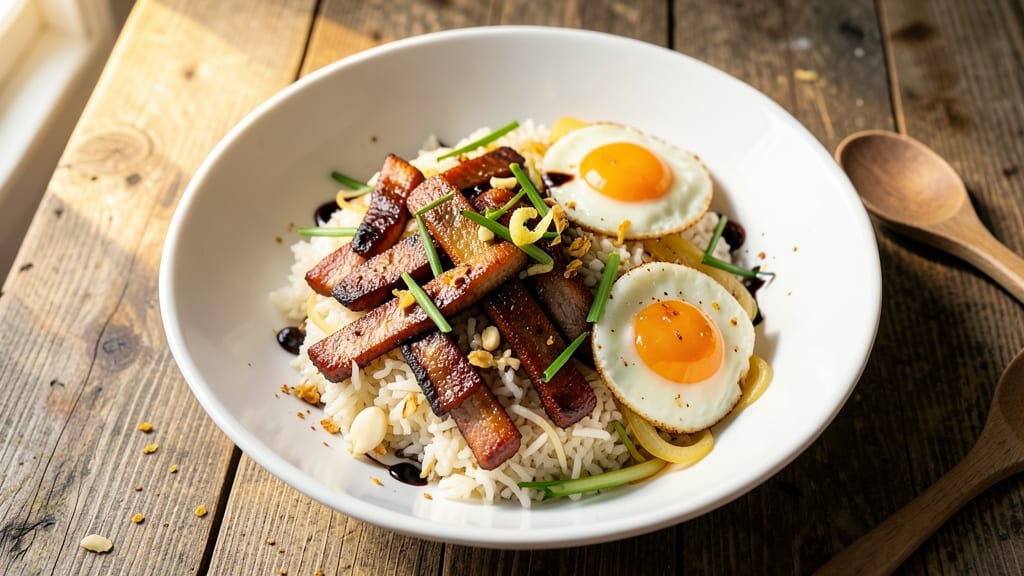
This classic pork fried rice recipe delivers the perfect balance of savory, smoky, and slightly sweet flavors in every bite. The secret lies in using day-old rice that absorbs flavors like a sponge while achieving that signature wok-tossed crunch. I've perfected this technique over years of testing, ensuring the pork stays tender, the eggs set just right, and the aromatics infuse without overpowering.
With high-heat wok cooking and proper ingredient ratios, you'll achieve restaurant-quality results at home—no fancy equipment required. The dish comes together in under 30 minutes, making it ideal for busy weeknights while still feeling special enough for dinner guests.
Every component matters: the quick sear on the pork, the proper timing of the egg, and the balance of soy sauce and seasonings.
Ingredients for classic pork fried rice
Day-old rice, tender pork, and aromatic wok cooking create this classic dish's signature texture and flavor.
| Ingredient | Amount | Notes |
|---|---|---|
| Day-Old Cooked White Rice 🍚 | 4 cups | Cold rice preferred for texture |
| Boneless Pork Shoulder 🥓 | 1 lb | Thinly sliced against grain |
| Large Eggs 🥚 | 4 whole | Freshly beaten for wok |
| Yellow Onion 🧅 | 1 whole | Diced into 1/4-inch pieces |
| Garlic Cloves 🧄 | 6 cloves | Minced for aromatic base |
| Fresh Ginger 🌿 | 1 tbsp | Finely grated, peeled |
| Vegetable Oil 🫒 | ½ cup | High smoke point preferred |
| Light Soy Sauce 🍶 | 3 tbsp | Kikkoman recommended |
| Dark Soy Sauce 🍶 | 1 tbsp | For color depth |
| Sesame Oil 🫒 | 1 tsp | Toasted for aroma |
| Green Onions 🧅 | ½ cup | Sliced, white and green parts |
| Salt 🧂 | ½ tsp | Kosher or sea salt |
| Ground White Pepper 🌶️ | ¼ tsp | Freshly ground preferred |
The pork shoulder is crucial—buy it pre-sliced from the deli counter for even cooking, or ask your butcher to slice it thin against the grain. Kroger's or Whole Foods often carry pre-sliced pork for stir-fry. Fresh ginger and garlic should be bright and firm—no shriveled cloves or moldy roots. For the rice, jasmine or basmati work best, and it must be day-old to achieve that perfect crunch. If you're short on time, cook extra rice the night before and refrigerate.
No light soy sauce? Regular soy sauce plus 1/2 tsp sugar mimics the flavor. Fresh ginger too pungent? Substitute 1 tbsp ginger paste or 1/2 tsp ground ginger. The eggs should be room temperature when you cook them—cold eggs scramble unevenly. For extra crunch, add 1/4 cup frozen peas or 1/2 cup diced bell pepper. The sesame oil is non-negotiable for aroma, but use sparingly—it's potent.
Store any leftovers in an airtight container for up to 3 days—the flavors actually improve overnight. To reheat, use a dry skillet over medium heat with a splash of water to restore that wok-tossed texture. For meal prep, double the recipe and freeze portions in single-serving containers. The rice reheats best when slightly undercooked initially—it'll finish cooking from residual heat.
Why You'll Love This Recipe
- No-Chop Night Saver: I swear by this when I’m too tired to dice anything—just slice the pork shoulder thin, crack eggs into the pan, and let the wok do the work. The onions and garlic get a quick stir-fry while the rice sizzles, and honestly? That’s all you need.
- Crispy-Creamy Magic: Between the smoky pork shoulder (which I always marinate in soy sauce overnight) and the eggs that go from runny to set in seconds, every bite has that perfect contrast. The day-old rice soaks up all the savory goodness like a sponge—no dry, sad grains here.
- Leftover Superstar: This dish actually tastes better the next day. I make a big batch on Sundays, and by Wednesday, it’s still my go-to lunch—just reheat with a splash of water to keep it fluffy. (Yes, even my picky teen asks for seconds.)
- Budget-Friendly Powerhouse: Pork shoulder’s cheap, eggs are cheap, and you’re using up rice that would’ve gone stale. I feed four people for under $10, and the leftovers stretch into lunches for days. That’s a win I’ll take any day.
Step-by-step instructions for classic pork fried rice
Mastering this wok-tossed staple requires precision timing and proper technique.
Prepare the Pork and Egg Mixtures
Begin by slicing the 1 lb boneless pork shoulder against the grain into thin strips, about ¼-inch thick. This ensures tender, bite-sized pieces that cook quickly in the wok. In a bowl, combine the sliced pork with 3 tablespoons light soy sauce, 1 tablespoon dark soy sauce, and ½ teaspoon salt. Let it marinate for 15 minutes while you prepare the other ingredients. This step infuses the pork with flavor and prevents it from drying out during cooking.
In a separate bowl, beat the 4 whole large eggs with ½ teaspoon salt and ¼ teaspoon ground white pepper until the yolks and whites are fully incorporated. The eggs should be well-mixed but still slightly thick—overbeating will result in scrambled rather than silky fried rice eggs. Cover and set aside at room temperature until ready to use.
Sauté Aromatics and Cook the Pork
Heat a wok or large skillet over high heat until it's smoking hot. Add ½ cup vegetable oil and swirl to coat the bottom evenly. Add the 1 whole yellow onion, 6 cloves minced garlic, and 1 tablespoon finely grated fresh ginger. Stir-fry for 1-2 minutes until the onions soften and the aromatics release their fragrance—this forms the flavor base for the dish.
Push the aromatics to one side of the wok and add the marinated pork in a single layer. Let it sear undisturbed for 1-2 minutes until the edges turn opaque. Stir occasionally to prevent burning, then continue cooking until the pork is 80% done—it should still hold its shape but lose its raw color. Remove the pork from the wok and set it aside temporarily.
Scramble the Eggs and Combine Ingredients
Return the wok to high heat and add a thin layer of oil if needed. Pour in the beaten eggs and scramble rapidly with a spatula, folding the eggs as they set. Cook for 30-45 seconds until just set but still slightly moist—overcooking will make them rubbery. Remove the eggs from the wok and set them aside with the pork.
Add the 4 cups day-old cooked white rice to the wok and stir-fry for 1 minute to reactivate the starches and separate any clumps. This step is crucial for achieving that signature crisp-tender texture. Sprinkle 1 teaspoon toasted sesame oil over the rice and toss to coat evenly. The sesame oil adds depth of flavor and a subtle nutty aroma that elevates the dish.
Finish with Soy Sauce and Green Onions
Return the pork and eggs to the wok and toss everything together. Drizzle 1 tablespoon light soy sauce and 1 tablespoon dark soy sauce over the mixture, then stir-fry for 2-3 minutes until everything is heated through and the rice is evenly coated. The dark soy sauce adds a rich, caramelized color that contrasts beautifully with the lighter pork and eggs.
Finally, add the ½ cup sliced green onions, reserving a few slices for garnish. Toss everything together for another 30 seconds until the green onions wilt slightly but retain their vibrant color. Taste and adjust seasoning with additional soy sauce or salt if needed. The fried rice should be savory, slightly salty, and perfectly balanced.
Serve Immediately for Maximum Crunch
Transfer the fried rice to a serving platter and garnish with the reserved green onion slices. Serve immediately while still hot and slightly crispy—fried rice loses its texture as it cools. The combination of tender pork, silky eggs, and perfectly seasoned rice creates a harmonious bite that captures the essence of classic Chinese home cooking.
For best results, work quickly and maintain high heat throughout the cooking process. The key to authentic fried rice lies in the wok hei—those smoky, charred notes that come from cooking over high, dry heat. Enjoy your restaurant-quality pork fried rice with a side of steamed greens or a simple cucumber salad for a complete meal.
Pro Tips For Making Classic Pork Fried Rice
- CRANK THE HEAT FIRST: That pork shoulder needs a screaming-hot wok or skillet to render fat fast and develop a crust—don’t start slow. After the first 2 minutes of searing, you can dial it back, but if you skip this, you’ll end up with greasy, undercooked pork that turns to mush when you stir-fry.
- USE COLD RICE (AND LESS OF IT): Day-old rice is non-negotiable, but cold rice from the fridge works better than lukewarm rice straight from the fridge. Spread it on a tray to dry out slightly—this prevents a gummy mess. And measure: 2 cups cold rice per person, not the "eyeball it" approach.
- SCRAMBLE EGGS SEPARATELY: I used to toss eggs in with everything, and they’d turn rubbery. Instead, scramble them in a separate pan with a splash of water until just set—soft curds, not dry. Fold them in last so they stay creamy, not scrambled into oblivion.
- SALT THE PORK BEFORE COOKING: Season the pork shoulder before searing—it makes the meat juicier and the crust stick better. Use about 1 teaspoon of salt per pound, and let it sit 10 minutes while you prep other ingredients. (Yes, even if you’re impatient like me.)
Troubleshooting your classic pork fried rice
Mushy Rice Fix
If your fried rice turns out mushy, it's almost always from using fresh rice or not cooking it long enough. The starches in fresh rice absorb too much moisture and break down when stirred. Always use day-old rice that's been refrigerated overnight—it's drier and holds its shape better.
If you're short on time, spread freshly cooked rice on a tray and chill it in the fridge for 30 minutes before using. This mimics day-old texture. 💡
Overcooked Eggs
Rubbery, overcooked eggs ruin the texture of fried rice. The secret is cooking them for just 30-45 seconds over high heat until they're barely set but still slightly runny. Remove them immediately when they look silky and pull away from the sides of the wok.
If you overcook them, try this fix: Cut them into tiny pieces and stir-fry with the rice for 1 minute—the residual heat will help them soften slightly. For next time, beat the eggs with 1 extra tablespoon cold water to make them more tender.
Pork Too Tough
Chewy pork happens when you overcook it or don't slice it thin enough. For best results, slice the pork ¼-inch thick against the grain before marinating.
If your pork turns out tough, try this recovery method: Add 1 tablespoon oyster sauce or 1 teaspoon fish sauce to the wok with the pork and toss vigorously for 1 minute. The extra umami will help mask the toughness.
For future attempts, marinate the pork for 30 minutes instead of 15 to maximize tenderness.
Flat Flavor
If your fried rice tastes bland, it's usually from insufficient seasoning or not building layers of flavor. First, check your soy sauce ratios—use 3 tbsp light soy sauce and 1 tbsp dark soy sauce per 4 cups rice.
If it's still bland, add ½ teaspoon white pepper and ½ teaspoon toasted sesame oil to the wok while cooking. For extra depth, stir in 1 teaspoon soy sauce-infused chili paste (like Lao Gan Ma) at the end.
The key is building flavor in layers: aromatics first, then pork, then eggs, then rice, and finally the seasoning.
Oily Mess
Too much oil makes fried rice greasy and heavy. The ideal amount is ½ cup vegetable oil for the entire cooking process. If your rice ends up oily, drain it in a fine-mesh strainer for 1 minute before serving. For future attempts, use a nonstick wok or skillet to reduce oil needs. Also,
Burnt Aromatics
Charred garlic and onions create bitter flavors that overpower the dish. To prevent this, keep your wok at high heat but stir the aromatics constantly for the first 1-2 minutes. If they burn, remove the burnt pieces immediately and start fresh with new aromatics. For a quick fix, add ½ teaspoon sugar or 1 teaspoon honey to the wok to balance the bitterness. Next time, use a wok with a flat bottom for better heat distribution and less risk of burning.
Nutrition facts
Frequently asked questions
Why does this recipe call for day-old rice?
Day-old rice has dried out slightly, which prevents it from turning mushy when stir-fried. The starches in fresh rice release too much moisture when heated, creating a gluey texture. If you're short on time, cook fresh rice and spread it on a tray to chill for 30 minutes before using—this mimics day-old texture.
Can I substitute chicken for the pork?
Use 1 lb boneless chicken thigh instead of pork, sliced thinly against the grain. Chicken cooks faster than pork, so reduce the stir-fry time by 1-2 minutes once it's added back to the wok. For extra flavor, marinate the chicken in 1 tbsp oyster sauce along with the soy sauce.
What's the secret to getting that wok-tossed crunch?
The crunch comes from high heat and proper technique: Use a wok or large skillet over high heat (until smoking), and work quickly. Toss the rice continuously for 1-2 minutes after adding it to reactivate the starches. Keep the heat high and avoid overcrowding the pan—this ensures each grain gets crispy edges.
How do I make this vegetarian?
Swap the pork for 1 cup extra-firm tofu (pressed and cubed) or 1 cup mushrooms (shiitake or oyster). For eggs, use 2 tbsp nutritional yeast mixed into the rice for a cheesy flavor. Boost umami with 1 tbsp soy sauce-infused chili paste or 1 tsp fish-free "seaweed" seasoning. The texture will differ slightly but still be delicious!
Can I make this ahead of time?
While fried rice is best served immediately, you can prep components ahead: Cook and chill the rice, slice the pork, and beat the eggs. Reheat everything separately over medium-high heat for 2-3 minutes before combining. For leftovers, store in an airtight container for 3 days—reheat with a splash of water to restore texture.