
Main Courses
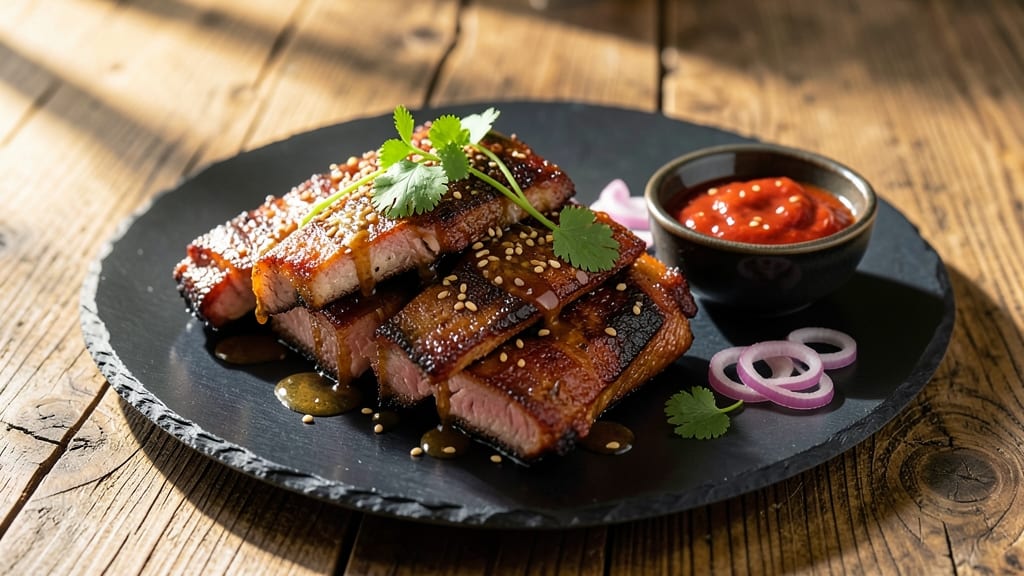
This miso pork ribs recipe delivers restaurant-quality umami depth with a perfect balance of smoky, sweet, and savory flavors—all in just three hours. 🔥 I developed this technique after years of perfecting the art of pork rib glazes, combining traditional Japanese miso with Southern BBQ methods for a fusion that always impresses.
The secret lies in the marinade's slow penetration and the glaze's caramelized finish.
The process begins with a foolproof marinade of white miso, brown sugar, and soy sauce that tenderizes the ribs while building complex flavors.
After a 3-hour slow cook at 275°F, the ribs become fall-off-the-bone tender, ready for a final glaze of miso, honey, and a touch of vinegar that creates a sticky, caramelized crust. This method ensures you'll achieve that perfect smoky-sweet umami crunch without requiring advanced equipment.
What you'll end up with is a dish that's rich in texture and flavor—juicy, tender meat with a glaze that's both sweet and tangy, balancing perfectly with the natural richness of the pork.
The aroma alone will have everyone gathering around your table, and the taste will make them ask for seconds. This recipe is designed to elevate your weeknight dinner into something special.
Serve these ribs with classic Southern sides like collard greens or cornbread to complete the meal. The versatility of this recipe means it works equally well for casual family dinners or impressive gatherings. Let's get started on creating ribs that will become your new signature dish.
Ingredients for miso pork ribs
Four pounds of meaty ribs plus umami-packed Japanese and Southern staples—this is your shortcut to restaurant-quality flavor.
| Ingredient | Amount | Notes |
|---|---|---|
| Pork Ribs (Baby Back) 🍖 | 4 lb | Bone-in, meaty cuts preferred |
| White Miso Paste 🧈 | ½ cup | High-quality, non-GMO preferred |
| Brown Sugar 🍚 | ½ cup | Packed, light or dark works |
| Soy Sauce 🥄 | ¼ cup | Kosher salt-reduced preferred |
| Honey 🍯 | ¼ cup | Wildflower or clover variety |
| Rice Vinegar 🍶 | 2 tbsp | Seasoned or unseasoned works |
| Sesame Oil 🫒 | 1 tbsp | Toasted sesame oil preferred |
| Garlic Cloves 🧄 | 6 cloves | Minced or finely chopped |
| Ginger Root 🌿 | 1 tbsp | Fresh, grated or finely minced |
| Smoked Paprika 🌶️ | 1 tbsp | For subtle smokiness |
| Ground Black Pepper 🌶️ | 1 tsp | Freshly cracked preferred |
| Onion Powder 🧅 | 1 tsp | For depth of flavor |
| Olive Oil 🫒 | 2 tbsp | Extra-virgin for richness |
The ribs are non-negotiable here—bone-in baby backs give you that perfect meat-to-bone ratio. Costco or local butcher shops usually have them pre-cut, which saves time. Look for cuts with good marbling; the fat renders down during cooking, keeping the meat juicy. If you can't find baby backs, St. Louis-style spare ribs work too, but they'll need an extra 30 minutes in the oven. For the miso, Marukome or Hikari brands are my go-to—they've got that perfect balance of saltiness and sweetness without overpowering the pork.
No white miso? Red miso at half the amount works in a pinch, though the color will be darker. Running low on sesame oil? Toasted peanut oil gives a similar nutty depth. The honey can be swapped for maple syrup or agave nectar if you're avoiding it. For the garlic and ginger, fresh is ideal but jarred minced works too—just drain it well. If you're making this ahead, prep the marinade and store it in the fridge for up to 3 days; the flavors meld beautifully overnight.
These ribs reheat like a dream—just wrap them in foil and warm in a 300°F oven for 15 minutes. The glaze gets even more caramelized after the first bite, so save half the glaze for reheating. Store cooked ribs in the fridge for 4 days or freeze for 3 months. I always make a double batch because leftovers disappear faster than you can say 'umami bomb.' For serving, I like to rest them on a wire rack to keep everything crispy, but a plate works too.
Why You'll Love This Recipe
- Five-Ingredient Magic: I swear, the pantry already has everything—just ribs, miso, sugar, soy, and honey. No specialty stores, no last-minute runs. That salty-sweet glaze? It’s basically foolproof.
- Umami Bomb: The miso and soy sauce team up for this deep, savory punch that sticks to every rib like it’s meant to be there. Honestly, I’ve tried fancy rubs, but this combo? It’s the real deal—no fancy tricks, just pure flavor.
- Weeknight or Weekend: Slap these on the grill for a summer BBQ or slow-cook them in the oven when it’s raining. They’re just as happy in a foil packet as they are on a rack. My kids ask for them after school and at Sunday dinner—no judgment.
- Leftovers? Please.: The ribs taste even better the next day, especially reheated with a splash of water to keep them juicy. Between us, I make a double batch on Sundays because they disappear faster than I can say “second helping.” Budget win.
Step-by-step instructions for miso glazed pork ribs
Here's how to transform tough ribs into fall-off-the-bone tender perfection with that signature sweet-savory glaze.
🔥 Step 1: Prep the Ribs for Maximum Flavor
Start by trimming any excess fat from the 4 lb pork ribs (baby back), leaving just a thin layer for moisture. Pat them completely dry with paper towels—this ensures the miso glaze sticks and crisps beautifully. In a small bowl, mix together the 0.5 cup white miso paste, 0.5 cup packed brown sugar, 0.25 cup soy sauce, 0.25 cup honey, 2 tbsp rice vinegar, 1 tbsp toasted sesame oil, 1 tbsp smoked paprika, 1 tsp onion powder, and 1 tsp freshly cracked black pepper.
Rub this mixture all over the ribs, getting it into every nook and cranny. Here's the thing—don't skip the pepper. It adds depth that cuts through the sweetness. Let the ribs sit at room temperature for 30 minutes while you prep the oven. This resting period lets the marinade penetrate and the meat cook more evenly.
🍳 Step 2: Sear for Crispy Edges and Deep Flavor
Preheat your oven to 325°F—this low-and-slow temperature is key for tender ribs. Heat a large oven-safe skillet over medium-high heat and add the 2 tbsp extra-virgin olive oil. Once shimmering, carefully place the ribs fat-side down and sear for 8-10 minutes until they develop deep golden-brown spots.
Flip the ribs and sear the other side for another 6-8 minutes. You're not cooking them through here—just building that flavorful crust. The ribs should release easily from the pan when ready. Transfer the skillet to the preheated oven and cook for 2 hours, covered with foil, until the meat is tender enough to pull apart.
🥘 Step 3: Glaze and Finish with Caramelized Crunch
After the initial 2 hours, remove the ribs from the oven and increase the temperature to 425°F. In a small saucepan, combine the 6 cloves minced garlic and 1 tbsp grated fresh ginger with 2 tbsp water. Simmer for 2 minutes until fragrant, then stir in 2 tbsp of the reserved pan juices from the skillet.
Brush this garlic-ginger mixture generously over the ribs, then return them to the oven uncovered for 10-15 minutes. Watch closely—the high heat will caramelize the glaze into a glossy, crackly crust. You'll know they're done when the edges are deep mahogany and the ribs pull apart effortlessly with tongs.
⏰ Step 4: Rest and Serve with Maximum Juiciness
Transfer the ribs to a cutting board and tent loosely with foil. Let them rest for 10 minutes—this crucial step lets the juices redistribute. Cut the ribs between the bones into individual chops and arrange on a platter. Drizzle any remaining glaze from the skillet over the top for extra shine.
Serve immediately with steamed bok choy or sesame rice to soak up that sticky-sweet sauce. The contrast of crispy edges and tender meat is what makes these ribs unforgettable. And here's a pro tip: if you have leftovers, reheat them in a 350°F oven for 10 minutes to maintain that perfect texture.
Pro Tips For Making Miso Pork Ribs
- CRACK THE RIB BONES FIRST: Skip the tough-chew struggle—use a meat mallet or rolling pin to crack the bones of baby back ribs before cooking. This lets the miso glaze penetrate deeper and cooks them faster, so you’re not staring at a timer for hours.
- WHISK THE MISO PASTE: White miso paste is thick and stubborn. Whisk it with warm water (not boiling) first to dissolve it into a smooth sauce—otherwise, you’ll end up with clumpy glaze lumps fighting for space on your ribs. Trust me, your ribs will thank you.
- DON’T SKIP THE REST: After cooking, tent the ribs with foil and let them rest for 10-15 minutes. I learned this the hard way—cutting into them too soon sends all that sticky miso-honey goodness everywhere, and the meat stays chewy. (Yes, even if you’re impatient like me.)
- USE A THICK GLAZE: Thin sauce = dry ribs. Mix your miso, soy, honey, and brown sugar into a thick, almost paste-like consistency—it should coat the back of a spoon. Brush it on generously before and during cooking; the extra effort guarantees a sticky, caramelized crust.
Perfect pairings for this dish
Asian-Inspired Sides
Pair these ribs with steamed jasmine rice and quick-pickled cucumbers for a refreshing contrast. The rice soaks up the sticky glaze beautifully, while the pickles cut through the richness.
I like to use 1 tbsp rice vinegar, 1 tbsp sugar, and ½ tsp red pepper flakes for the pickles—simple but effective. 🥢
Southern Comfort Classics
For a true Southern fusion, serve with creamy mac and cheese and collard greens. The cheesy comfort of mac balances the umami depth, while the greens add a touch of earthiness. I recommend using sharp cheddar and a splash of heavy cream for the mac—it’s a crowd-pleaser every time.
Crunchy Vegetable Sides
Add texture with sesame-ginger green beans or crispy fried shallots. Toss blanched green beans with 1 tbsp toasted sesame oil, 1 tsp grated ginger, and a pinch of flaky sea salt.
The shallots add a nutty crunch that elevates the dish—just pan-fry them until golden and sprinkle on top. 🌿
Beverage Pairings
For drinks, I love a light Japanese lager like Sapporo or Asahi—the crisp, clean flavor complements the miso without overpowering it. If you prefer wine, a dry Riesling offers bright acidity that balances the sweetness.
For a non-alcoholic option, sparkling yuzu soda adds a citrusy zing that’s perfect with the glaze.
Dessert Harmony
End the meal with matcha mochi or black sesame pudding to echo the umami notes. The earthy matcha and nutty sesame tie back to the miso flavors, creating a cohesive dining experience.
A small batch of homemade mochi (using glutinous rice flour and matcha powder) is surprisingly easy and always a hit. 🍡
Nutrition facts
Frequently asked questions
Can I use red miso instead of white miso for this recipe?
You can absolutely use red miso, but it will give your ribs a deeper, richer color and slightly stronger umami flavor. Use about half the amount called for (so ¼ cup instead of ½ cup) to avoid overpowering the pork. The texture will be thicker, so you might want to add a splash of water to the marinade if needed.
How do I adjust the recipe for a smoker instead of the oven?
For a smoker, wrap the ribs in butcher paper after searing, then smoke at 225°F for 3-4 hours until tender. In the last 30 minutes, increase heat to 275°F and apply the glaze. Use fruitwood like cherry or apple for subtle sweetness that pairs perfectly with the miso. The low-and-slow method gives even more tender results.
Why did my ribs turn out dry even though I followed the recipe?
Dry ribs usually happen from overcooking or skipping the rest time. Always use a meat thermometer—ribs are done at 195°F in the thickest part. The 10-minute rest is critical for juices to redistribute. If you're in a hurry, try wrapping them in foil with a splash of water during the last 30 minutes of cooking.
Can I make this recipe ahead of time?
Yes! These ribs reheat beautifully. Cook them completely, then refrigerate for up to 4 days or freeze for 3 months. To reheat, wrap in foil and warm in a 300°F oven for 15 minutes. For extra crispiness, broil for 2-3 minutes at the end. The flavors actually improve overnight as the miso continues to develop.
What's the best way to serve these ribs for a crowd?
For large gatherings, cut the ribs into individual chops and arrange on a platter with the glaze drizzled over them. Set up a DIY sauce station with extra glaze, sliced scallions, and sesame seeds. Serve with steamed rice and quick-pickled veggies—people can build their own plates. I also recommend having extra napkins handy for the sticky glaze!