
Sauces & Condiments
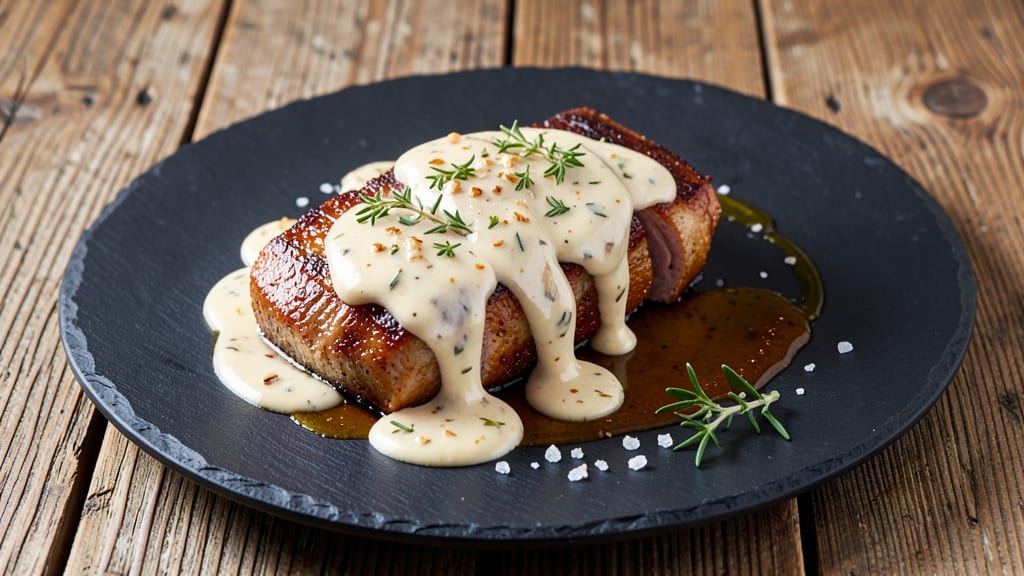
A perfectly seared pork tenderloin with a velvety cream sauce transforms a simple weeknight dinner into something restaurant-worthy. The secret lies in a simple marinade that tenderizes the meat while building layers of flavor, followed by a rich, silky sauce that clings to every bite.
I developed this recipe after years of testing different techniques—this version delivers juicy, tender pork with a sauce that's creamy yet balanced, never overpowering.
The process starts with a quick marinade of garlic, mustard, and herbs that penetrates the pork in just 30 minutes, ensuring maximum flavor without overcomplicating prep. After searing the tenderloin to a golden crust, it finishes in the oven while the sauce simmers in the same pan—minimal cleanup, maximum impact.
The cream sauce develops depth from a splash of white wine and a touch of Dijon mustard, creating a perfect balance of richness and tang.
What you'll end up with is a dish that feels indulgent yet remains approachable for weeknight cooking. The pork stays juicy and tender throughout, while the sauce coats every bite with its velvety texture and complex flavors.
This recipe proves that restaurant-quality meals don't require hours in the kitchen—just the right techniques and a few simple ingredients.
Serve with roasted vegetables or crusty bread to soak up every last drop of that luscious sauce. The beauty of this method is its adaptability—swap the herbs for rosemary or thyme, or add a splash of brandy to the sauce for extra depth.
Here's how to make it perfectly every time.
Ingredients for pork tenderloin recipe cream sauce
Restaurant-worthy pork tenderloin with a velvety cream sauce starts with these quality ingredients.
| Ingredient | Amount | Notes |
|---|---|---|
| Pork Tenderloin 🥩 | 1 ½ lb | Center-cut, trimmed of fat |
| Garlic Cloves 🧄 | 4 cloves | Minced for marinade |
| Dijon Mustard 🍯 | 2 tbsp | High-quality for depth |
| Fresh Thyme Leaves 🌿 | ¼ cup | Chopped, stems removed |
| Olive Oil 🫒 | 2 tbsp | Extra-virgin for richness |
| Salt 🧂 | 1 ½ tsp | Kosher or sea salt |
| Black Pepper 🌶️ | ½ tsp | Freshly ground preferred |
| Dry White Wine 🍷 | ½ cup | Sauvignon Blanc or Pinot Grigio |
| Heavy Cream 🥛 | 1 cup | Full-fat for creaminess |
| Unsalted Butter 🧈 | 2 tbsp | Cold for sauce base |
| Dijon Mustard 🍯 | 1 tsp | For sauce balance |
| Fresh Parsley 🌿 | ¼ cup | Chopped, for garnish |
The pork tenderloin is the star, so center-cut and trimmed of fat ensures the most tender result. Most grocery stores carry this cut pre-trimmed, but if buying whole, remove any silver skin for a cleaner finish. Costco or Whole Foods often have excellent quality at competitive prices. For the garlic, freshly minced makes the biggest difference—don't use pre-minced from jars. The thyme should be vibrant, not dried out, and the Dijon mustard should be high-quality for that signature tang. I always grab extra thyme—half goes in the marinade, half gets sprinkled over the finished dish.
No white wine? Chicken stock with a splash of lemon juice works in a pinch, though the acidity won't be identical. Fresh thyme unavailable? Dried thyme at one-third the amount suffices. The heavy cream is non-negotiable for that silky texture—full-fat only here. For the butter, European-style unsalted melts beautifully. If you're watching calories, you can reduce the butter by half and add a splash of milk to the sauce, though the flavor won't be as rich. The parsley is purely decorative but adds that final pop of color—fresh is best, but dried in a pinch won't ruin the dish.
The pork marinade keeps 2-3 days in the fridge, though it's best used within 24 hours. The sauce components should be prepped fresh day-of for optimal texture. Store any leftovers in airtight containers for up to 3 days, though the sauce thickens upon reheating—simply add a splash of milk or cream to restore its velvety consistency. I always make a double batch of sauce—it freezes beautifully for up to 3 months and makes an excellent quick weeknight dinner base for other proteins.
Why You'll Love This Recipe
- One-Pan Magic: I swear by this trick—just sear the tenderloin, toss in garlic and thyme, then let the Dijon-mustard sauce simmer right in the same pan. No extra dishes, no stress.
- Garlic-Thyme Kiss: That moment when the pork hits the pan and the garlic starts sizzling? Pure flavor payoff. The Dijon cuts through the richness, and the thyme? It’s like a little herbal hug for every bite.
- Weeknight to Dinner Party: Same recipe, different vibes. Serve it with roasted potatoes for a lazy Tuesday, or drizzle extra sauce over mashed cauliflower for a fancier spread. The sauce stretches, so it’s my go-to for feeding crowds without the fuss.
- Leftovers That Don’t Suck: Between us, most pork leftovers are sad. Not this. The sauce clings to the meat like glue, and reheating it? Just a splash of milk or broth to loosen it up. Tastes just as good cold in sandwiches—honestly, I’ve eaten it straight from the fridge.
Step-by-step instructions for pork tenderloin with cream sauce
Master this one-pan technique for perfectly tender pork with a velvety cream sauce that ties all the flavors together.
Sear the Pork for Maximum Flavor
Pat the 1.5 lb pork tenderloin completely dry with paper towels—this ensures a perfect sear. Heat 2 tablespoons olive oil in a large oven-safe skillet over medium-high heat until shimmering. Season the pork generously with 1.5 teaspoons salt and 0.5 teaspoon black pepper, then add it to the pan.
Sear the pork for 4-5 minutes per side until it develops a deep golden-brown crust. You'll know it's ready when it releases easily from the pan—no need to force it. Remove the pork and set it aside on a plate, leaving all the rendered juices in the pan. This step builds the flavor foundation for your sauce.
Build the Wine-Thyme Base
Immediately reduce the heat to medium and add the 4 minced garlic cloves and 0.25 cup chopped fresh thyme leaves to the same skillet. Sauté for 1-2 minutes until fragrant—this releases their aromatic oils. Be careful not to let the garlic burn, as it can turn bitter.
Pour in the 0.5 cup dry white wine and scrape up all the browned bits from the bottom of the pan with a wooden spoon. This deglazing step captures all that concentrated flavor that would otherwise stick to the pan. Let the wine simmer for 3-4 minutes until reduced by half, creating a rich, glossy base for your sauce.
Create the Creamy Sauce
Add 2 tablespoons cold unsalted butter and 1 cup heavy cream to the skillet. Stir to combine and bring to a gentle simmer over medium-low heat. Let it cook for 4-5 minutes until the sauce thickens slightly and coats the back of a spoon. This is where the magic happens—the cream emulsifies with the wine reduction, creating a silky texture.
Remove the pan from heat and stir in 2 tablespoons Dijon mustard and 1 teaspoon Dijon mustard (yes, it's the same ingredient—this adds depth of flavor). The sauce should be smooth and glossy with a velvety consistency. If it's too thick, whisk in 1-2 tablespoons of hot water to reach your desired texture.
Finish and Serve
Return the pork to the skillet and spoon the sauce generously over the top. Let it sit for 2-3 minutes so the pork can absorb some of the sauce and become even more tender. The internal temperature should now reach 145°F—use a meat thermometer for accuracy.
Transfer the pork to a cutting board and let it rest for 5 minutes before slicing. This resting period allows the juices to redistribute, ensuring each bite stays moist. Garnish with 0.25 cup chopped fresh parsley before serving. The result is perfectly tender pork with a luxurious cream sauce that ties all the flavors together beautifully.
Pro Tips For Making Pork Tenderloin Recipe Cream Sauce
- Sear First, Sauce Later: Get that pork screaming hot in the pan before pulling it—cast iron or stainless steel only. A deep, caramelized crust locks in moisture and gives the cream sauce something to cling to, so don’t skip this step, even if you’re tempted to rush.
- Mince That Garlic: Whole cloves? Nope. Smash them with the flat side of your knife first, then mince finely—this way, they melt into the sauce instead of sitting as stubborn chunks. I used to burn them, but now I just prep them ahead and let the sauce simmer gently.
- Whisk in Mustard Early: Stir the Dijon into the warm pan before adding liquid—this emulsifies the sauce instantly and cuts the risk of curdling later. If you wait until the end, you’ll end up with a lumpy mess, and nobody wants that.
- Deglaze with Wine (or Skip It): Got a splash of white wine? Use it. No wine? Just use a little extra chicken or pork stock. The point is to scrape up every last bit of fond from the pan—those browned bits are flavor gold, and ignoring them is like leaving money on the table.
Regional styles of pork tenderloin recipe cream sauce
French Classic
In France, pork tenderloin with cream sauce is often called pork filet mignon, and this preparation leans into the country's love of wine-based reductions. The classic version uses white wine and brandy for depth, paired with chervil instead of parsley.
I've adapted this by adding a splash of Cognac to the wine reduction—just 1 tablespoon—for that signature French touch. Serve with crusty baguette and buttered green beans for an authentic bistro experience. 🍷
Italian Herb Twist
Southern Italy transforms this dish into a rosemary-garlic powerhouse. Swap the thyme for fresh rosemary and add 1 tablespoon minced rosemary to the marinade. The sauce gets a boost from ½ cup chicken stock instead of wine, with lemon zest instead of Dijon mustard.
Finish with grated Parmesan on top for a bright, herby flavor profile. This version pairs beautifully with roasted potatoes and sautéed spinach. 🌿
German Mustard Glaze
German cuisine loves tangy mustard, so this regional take replaces the wine with ½ cup apple cider and adds 1 tablespoon whole-grain mustard to the sauce. The dish is often served with red cabbage and potato dumplings for a hearty meal.
For extra richness, stir 1 ounce melted butter into the sauce at the end. The mustard adds a bold, slightly sweet contrast that balances the pork's richness perfectly. 🌶️
American Comfort Style
In the US, this dish often becomes a weeknight staple with a creamier, sweeter sauce. Add 1 tablespoon honey or maple syrup to the wine reduction, and finish with ½ teaspoon smoked paprika for depth.
Serve with mashed potatoes and glazed carrots for a classic comfort-food meal. This version is especially popular in Midwestern and Southern kitchens, where hearty flavors reign. 🥔
Spanish Saffron Touch
Spain elevates this dish with saffron, adding a pinch (⅛ teaspoon) to the cream sauce for a luxurious golden hue and subtle floral notes. The marinade includes smoked paprika and orange zest, while the sauce gets a splash of dry sherry instead of white wine.
Garnish with toasted almonds for crunch. This version is perfect for special occasions and pairs beautifully with paella rice or roasted peppers. ✨
Nutrition facts
Frequently asked questions
Can I substitute chicken stock for the white wine in the sauce?
Yes, but the flavor will differ slightly. Use ½ cup chicken stock plus 1 teaspoon lemon juice to mimic the wine's acidity. The sauce will be less aromatic but still rich. For best results, add 1 teaspoon white wine vinegar to brighten the flavor.
How do I prevent the cream sauce from curdling?
Never let the sauce boil—keep heat at medium-low and stir constantly. Add cold butter gradually to stabilize the cream. If it starts to separate, whisk in 1 tablespoon cold water to re-emulsify. The sauce should coat the back of a spoon when done.
What's the best way to reheat leftovers?
Gently reheat in a saucepan over low heat with 1-2 tablespoons water or cream to restore creaminess. Avoid microwaving—it can make the sauce grainy. For the pork, reheat to 165°F only once, then serve immediately with fresh sauce.
Can I make this dish ahead of time?
Yes! Cook the pork and sauce up to 2 days ahead, then refrigerate. Reheat gently and add fresh herbs for brightness. For the sauce alone, freeze it in portions—thaw overnight in the fridge and whisk to restore texture. The pork is best reheated fresh with new sauce.
Why did my pork turn out dry?
Overcooking or skipping the rest time causes dryness. Use a meat thermometer—145°F is perfect. Always let pork rest 5 minutes before slicing. For extra moisture, baste with sauce during cooking or marinate longer (up to 4 hours).