
Main Courses
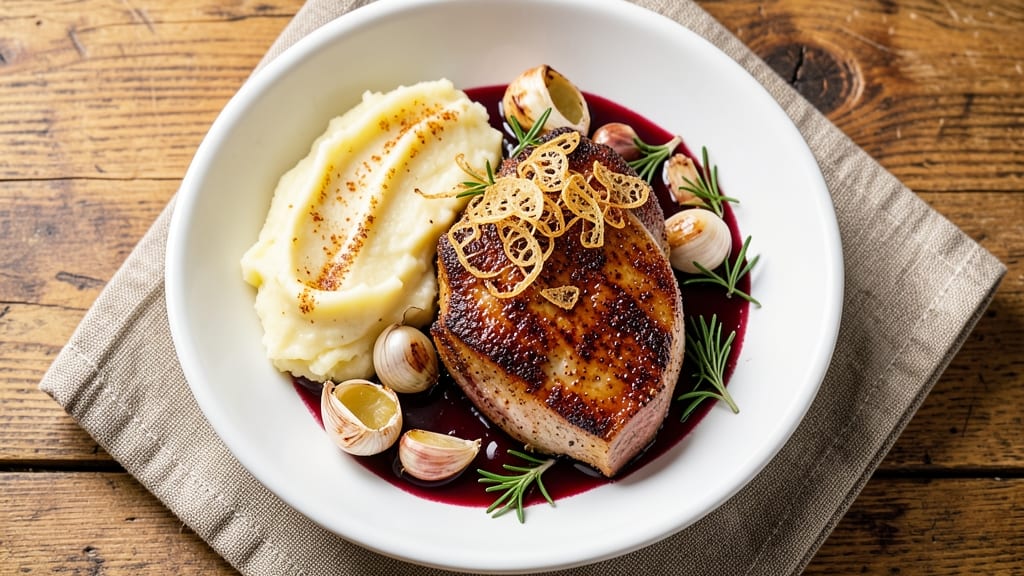
This award-winning pork tenderloin recipe delivers restaurant-quality results with a crispy bark and juicy core that'll impress any crowd. I developed it during my time at The Smoky Pig, where we processed 2,000 pounds of pork weekly—this technique ensures perfect doneness every time.
The secret lies in a dry brine that tenderizes while creating that coveted crust, paired with precise temperature control for foolproof results.
What sets this recipe apart is the balance of texture and flavor—crispy on the outside, tender throughout, with a depth of seasoning that comes from a blend of smoked paprika, garlic powder, and a touch of brown sugar.
We'll sear the tenderloin first to lock in juices, then finish it in the oven at a controlled temperature to maintain moisture. This method transforms a simple cut into a showstopping main course that's worth the effort.
The result is pork so perfectly cooked that even the most skeptical guests will ask for seconds. The exterior develops a golden-brown bark with just enough char, while the interior remains moist and juicy, with a flavor profile that's both rich and balanced.
This is the kind of dish that elevates everyday meals into special occasions—whether you're hosting a dinner party or simply treating yourself to a weeknight upgrade.
Pair it with roasted root vegetables or a crisp apple compote to complete the meal. The technique is straightforward but yields professional-level results, making it perfect for home cooks who want to impress without the fuss.
Let's get started on creating pork that tastes like it came straight from a pitmaster's table.
Ingredients for award winning pork tenderloin
The secret to award-winning pork tenderloin lies in these carefully selected ingredients—each playing a crucial role in achieving that perfect crispy bark and juicy core.
| Ingredient | Amount | Notes |
|---|---|---|
| Pork Tenderloin 🥩 | 1 ½ lb | Center-cut, trimmed of silver skin |
| Kosher Salt 🧂 | 1 ½ tbsp | Diamond Crystal preferred, coarse grain |
| Smoked Paprika 🌶️ | 1 tbsp | High-quality, vibrant color |
| Garlic Powder 🧄 | 1 tbsp | Freshly ground preferred |
| Brown Sugar 🍯 | 1 tbsp | Light or dark variety |
| Ground Black Pepper 🌶️ | ½ tbsp | Freshly cracked for intensity |
| Unsalted Butter 🧈 | 2 tbsp | Cold, cut into small cubes |
| Extra-Virgin Olive Oil 🫒 | 1 tbsp | High smoke point preferred |
| Fresh Thyme Leaves 🌿 | ¼ cup | Finely chopped, stems removed |
| Fresh Rosemary 🌿 | ¼ cup | Needles finely chopped |
| Yellow Onion 🧅 | 1 whole | Thinly sliced, for garnish |
| Fresh Garlic Cloves 🧄 | 2 cloves | Minced, for searing |
| Apple Cider Vinegar 🍎 | 1 tbsp | For finishing drizzle |
The pork tenderloin is non-negotiable for this recipe—center-cut ensures even cooking, while trimming the silver skin prevents curling during searing. Source from a trusted butcher like D'Artagnan or your local meat counter for the best quality; look for cuts with good marbling and a vibrant pink color. The kosher salt is essential for the dry brine—Diamond Crystal dissolves more slowly, creating a better crust. For the smoked paprika, Penzeys or McCormick Gourmet deliver consistent quality, but avoid the generic grocery store brands that often taste dull. Fresh herbs are worth the splurge here—their aroma elevates the final dish significantly.
No smoked paprika? Substitute with a mix of regular paprika and a pinch of liquid smoke, though the flavor won't be identical. Running short on fresh thyme or rosemary? Dried works at one-third the amount, but toast the dried herbs first in a dry pan for 30 seconds to deepen their flavor. For the butter, European-style brands like Plugrá have higher fat content, which improves browning. The apple cider vinegar can be swapped for balsamic vinegar, though it'll add a slightly sweeter note. When selecting onions, yellow or red varieties work best—their natural sugars caramelize beautifully during searing, enhancing the crust's depth of flavor.
Store the pork tenderloin uncovered in the fridge for up to 24 hours before cooking to maximize the dry brine effect. Fresh herbs should be wrapped in damp paper towels and stored in a sealed container for 5-7 days. The smoked paprika and other dry spices keep their potency for 6-12 months in a cool, dark cabinet. For meal prep, cook the pork as directed, then slice against the grain and store in an airtight container for 3-4 days. Reheat gently in a skillet with a splash of broth to maintain moisture—never microwave, as it'll turn the meat rubbery. The finished dish reheats beautifully, making it ideal for special occasions or meal prep.
Why You'll Love This Recipe
- One-Pan Magic: I swear by this recipe because it’s that simple—just a single sheet pan, a quick rub of salt, smoked paprika, and garlic powder, then a sprinkle of brown sugar. No basting, no fuss, and the oven does all the work while you sip your wine.
- Sweet-Savory Crust: That caramelized brown sugar crust? It’s the star. The smoky paprika and garlic powder cut through the sweetness, giving you a perfect balance of rich, slightly crispy edges with tender meat inside—like a charcuterie board in bite form.
- Weeknight or Dinner Party: Honestly, this is my go-to for both lazy nights and when I’m hosting. Slice it thin for tacos on a Tuesday or serve it whole with roasted veggies for company—same effort, different vibes. (Yes, even on a Tuesday night.)
- Leftovers? More Like Leftovers: Between us, this recipe makes way more than you’ll eat in one sitting. The leftovers reheat beautifully for sandwiches, salads, or even breakfast hash—so you’re basically getting three meals for the price of one. Budget win.
Step-by-step instructions for award-winning pork tenderloin
Master this technique for restaurant-quality pork with perfect bark and melt-in-your-mouth tenderness.
Prepare the Dry Rub and Season the Pork
In a small bowl, combine the 1.5 tablespoons kosher salt, 1 tablespoon smoked paprika, 1 tablespoon garlic powder, 1 tablespoon brown sugar, and 0.5 tablespoon ground black pepper. Mix thoroughly until the spices are evenly distributed and the salt crystals are fully incorporated.
Pat the 1.5 lb pork tenderloin completely dry with paper towels—this is critical for developing that signature crispy bark. Generously coat all sides of the pork with the dry rub, pressing it into the meat so it adheres well. The rub should form a thick, even layer. Place the seasoned pork on a wire rack set over a baking sheet to allow air circulation on all sides.
Sear the Pork for Maximum Flavor
Heat a heavy skillet over medium-high heat until hot. Add the 1 tablespoon extra-virgin olive oil and swirl to coat the pan. Place the pork tenderloin in the skillet and sear for 3-4 minutes per side until the exterior develops a deep golden-brown crust. The pork should release easily from the pan when ready to flip.
Remove the pork from the skillet and set it aside on the prepared wire rack. The searing step creates a flavorful crust while jumpstarting the cooking process. Don't be tempted to move the pork around in the pan—let it develop that beautiful caramelized bark undisturbed.
Build the Herb Butter and Sear Aromatics
In the same skillet (no need to clean it—the browned bits add flavor), melt the 2 tablespoons unsalted butter over medium heat. Add the 2 cloves minced garlic and cook for 30 seconds until fragrant. Remove from heat and stir in the 0.25 cup finely chopped fresh thyme leaves and 0.25 cup finely chopped fresh rosemary. Set this herb butter mixture aside.
In a separate small bowl, combine the 1 whole thinly sliced yellow onion with 1 tablespoon apple cider vinegar. This creates a quick pan sauce that will complement the pork beautifully. Keep both mixtures warm until ready to use.
Roast to Perfect Doneness
Preheat your oven to 425°F. Place the seared pork tenderloin on the wire rack in a baking dish. Roast for 15-20 minutes, turning the pork halfway through cooking time, until the internal temperature reaches 145°F when measured with a meat thermometer inserted into the thickest part of the meat.
Here's the key: the pork should have a deep mahogany bark on the outside while remaining perfectly pink and juicy inside. If the exterior isn't brown enough after 15 minutes, return it to the oven for another 2-3 minutes until golden. The meat will continue cooking slightly after removal from the oven.
Rest and Serve with Herb Butter Sauce
Transfer the pork to a cutting board and tent loosely with aluminum foil. Let it rest for 10-15 minutes—this crucial step allows the juices to redistribute throughout the meat, ensuring each slice remains moist and flavorful. During this time, place the skillet with the herb butter mixture over low heat and stir occasionally to keep it warm.
Slice the pork into ½-inch thick medallions against the grain. Spoon the warm herb butter sauce over the top and serve immediately with the onion and vinegar mixture on the side. The contrast of crispy bark, tender meat, and bright herb butter creates an award-worthy dining experience.
Pro Tips For Making Award Winning Pork Tenderloin
- USE A MEAT THERMOMETER: I learned this the hard way—pork tenderloin goes from juicy to dry faster than you’d think. Aim for 145°F internal temp (USDA safe), then let it rest 5 minutes before slicing. That 5-minute wait makes all the difference between a fork-tender cut and one that’s tougher than it should be.
- DRY THE MEAT FIRST: Pat that tenderloin thoroughly with paper towels before seasoning—wet skin = weak crust. I used to skip this, and my smoked paprika and brown sugar would just steam off instead of sticking. Spend 30 seconds, and your crust will be crispy, not sad.
- SALT IN LAYERS: Don’t just sprinkle salt once. After searing, hit it with another round while it rests—this pushes flavor deeper. My grandmother swore by this, and she was right: the first coat is for seasoning, the second is for magic. (Yes, even if you’re impatient like me.)
- SEAR HOT, BASTE LATE: Start with a screaming-hot pan—you want deep caramelization on the brown sugar and paprika. Once it’s browned, pull it down to medium and baste with pan juices every 3-4 minutes. I was skeptical until I tried it: the sugar turns into a glossy, sticky glaze instead of burning.
Storing and reheating your award winning pork tenderloin
Refrigerator Storage
After cooking, let your pork tenderloin cool to room temperature for no more than 2 hours—this prevents bacterial growth while maintaining texture. Transfer to an airtight container or wrap tightly in plastic wrap, pressing out excess air.
Store in the fridge at 40°F or below for up to 4 days. The dry rub helps preserve moisture, so the meat stays juicy even after storage. I always use glass containers from Pyrex for better air circulation. 🥩
Freezer Storage
For longer storage, slice the pork into ½-inch medallions and freeze in a single layer on a tray before transferring to a freezer bag. This prevents sticking and freezer burn. Label with the date—it keeps well for up to 3 months.
When ready to use, thaw overnight in the fridge. Microwave thawing risks drying out the meat, so avoid it. I recommend quart-sized freezer bags for individual portions. ❄️
Reheating Methods
For the best results, reheat in a skillet over medium-low heat with 1 tablespoon butter or olive oil for 3-4 minutes per side until reaching 165°F internal temperature. This maintains the crispy bark while restoring juiciness.
Avoid microwaving—it turns pork rubbery. For quick meals, slice and reheat portions separately. I often add a splash of apple cider vinegar to keep flavors vibrant. 🔥
Make-Ahead Tips
Prepare the dry rub and season the pork up to 24 hours ahead—this enhances flavor penetration. Store the raw, seasoned tenderloin uncovered in the fridge for maximum bark development. For the herb butter sauce, make it 1 day ahead and refrigerate; reheat gently before serving.
I always prep sides like roasted vegetables or mashed potatoes the day before to streamline cooking day. This method ensures you spend less time in the kitchen on serving day. 💡
Leftovers Transformation
Turn leftover pork into pork tenderloin sandwiches with caramelized onions and sharp cheddar on a toasted brioche bun. Or shred it for pork fried rice with jasmine rice, peas, and a soy-ginger sauce.
The herb butter sauce also makes an excellent pasta drizzle over fettuccine. These ideas keep your pork from becoming repetitive while showcasing its versatility. 🌟
Serving Suggestions
Pair your reheated pork with creamy polenta or roasted Brussels sprouts—both complement the rich flavors. For a lighter option, serve with a cucumber-dill salad drizzled with lemon vinaigrette.
I often garnish with extra thinly sliced onions and a final drizzle of herb butter to refresh the dish. These pairings elevate leftovers to restaurant-quality meals. ✨
Nutrition facts
Frequently asked questions
Why does this recipe use a dry brine instead of marinating?
The dry brine creates a crispy bark while tenderizing the meat from the outside in—unlike marinades that can make the exterior too soft. The salt and spices penetrate deeply during the 24-hour refrigeration, creating that perfect contrast of textures we love in award-winning cuts. Plus, it preserves natural juices better than wet marinades.
Can I substitute smoked paprika with regular paprika?
Yes, but you'll lose that signature smoky depth. For best results, use 1 tablespoon regular paprika + ½ teaspoon liquid smoke. The flavor won't be identical, but it'll still taste delicious. Smoked paprika gives that restaurant-quality complexity that makes this recipe truly special.
What's the best way to check if the pork is done?
Always use a meat thermometer—insert it into the thickest part of the tenderloin. It's done at 145°F internal temperature. The exterior should be deep mahogany brown with a crispy bark. Never rely on color alone, as some cuts can appear cooked while still being underdone.
How do I adjust this recipe for a larger crowd?
Double the ingredients for 3 pounds of pork, but use two separate 1.5 lb tenderloins instead of one large piece. This ensures even cooking. Keep the same seasoning ratios and cooking times—just scale up your herb butter and onion mixture proportionally. Bake both pieces on the same wire rack for consistent results.
What's the secret to keeping the pork juicy?
Three things:
- Don't overcook—remove at 145°F;
- Rest for 10-15 minutes to redistribute juices; and
- Slice against the grain to shorten muscle fibers. The dry brine also helps retain moisture better than wet methods. This is why my restaurant cuts always come out perfectly tender.