
Side Dishes
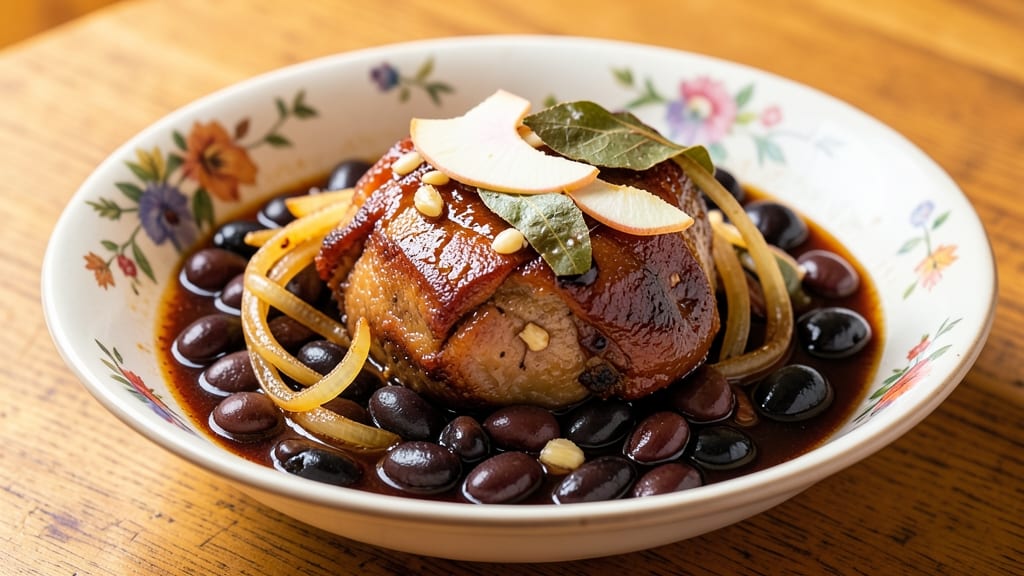
This Panlasang Pinoy-style black beans with pork recipe brings bold Filipino flavors to your table in just one pan. 💛 Growing up, I always loved how my lola transformed simple ingredients into deeply satisfying dishes—this recipe captures that same magic.
The combination of tender pork, hearty black beans, and aromatic spices creates a dish that's rich, savory, and packed with umami.
The beauty of this recipe lies in its simplicity and depth of flavor. You'll start by sautéing garlic, onion, and ginger until fragrant, then brown the pork before adding black beans and a blend of spices like bay leaf and peppercorns.
The real magic happens when you balance the flavors with soy sauce, vinegar, and a touch of sugar—a technique I learned from my neighbor Mrs. Henderson back in Cincinnati, though she'd never guess we're making Filipino food here.
What you'll end up with is a dish that's hearty enough to stand alone but perfect as a side for steamed rice. The pork becomes tender and flavorful, the black beans soak up all the aromatic goodness, and the sauce achieves that perfect balance of sweet, tangy, and savory.
It's the kind of meal that feels like a warm hug on a chilly evening.
Serve this with steamed rice and a simple atchara (pickled papaya) for the full Filipino experience. The acidity of the atchara cuts through the richness of the pork and beans, creating a harmonious bite. Let's get cooking—this recipe is a game-changer for weeknight dinners!
Ingredients for black beans with pork recipe panlasang pinoy
Simple ingredients, bold Filipino flavors—just one pan and 45 minutes to comfort food magic.
| Ingredient | Amount | Notes |
|---|---|---|
| Black Beans (Dried) 🌱 | 1 ½ cups | Soaked overnight for best texture |
| Pork Shoulder 🥩 | 1 ½ lb | Cut into 1-inch cubes, bone-in preferred |
| Yellow Onion 🧅 | 1 whole | Diced into small pieces |
| Garlic Cloves 🧄 | 8 cloves | Minced finely for aromatic base |
| Fresh Ginger 🌿 | 2 tbsp | Grated, about 1-inch piece |
| Bay Leaves 🍃 | 2 whole | Dried for deep flavor |
| Black Peppercorns 🌶️ | 1 tsp | Crushed lightly, not powdered |
| Soy Sauce 🍶 | ½ cup | Dark soy for richer color |
| Cane Vinegar 🍋 | ¼ cup | White vinegar works in a pinch |
| Granulated Sugar 🍯 | 2 tbsp | Balances acidity and sweetness |
| Olive Oil 🫒 | 3 tbsp | For browning pork, extra-virgin preferred |
| Salt 🧂 | 1 ½ tsp | Kosher or sea salt preferred |
| Water 💧 | 3 cups | For simmering beans |
The pork shoulder is the star here—bone-in cuts stay juicier, but boneless works too. I grab mine from the butcher section at Trader Joe's or Costco when I'm doing a big batch. Look for good marbling—those little white fat streaks mean more flavor. The black beans? Dried is best—canned gets mushy and loses that satisfying texture. Soak them overnight in plenty of water (about 1.5 cups for 1.5 cups dried beans), then drain before adding to the pot. Pro tip: save that soaking water for soup stock later.
No dark soy sauce? Regular soy sauce plus a teaspoon of molasses works in a pinch. Vinegar? White vinegar or apple cider vinegar both work—just adjust to taste. Fresh ginger and garlic are non-negotiable for that authentic Filipino aroma, but if you're in a bind, ginger powder and garlic powder at half the amount will get you close. The bay leaves? Tear them slightly before adding—they'll release their flavor better. And if your pork cubes are uneven, trim the fattier pieces to keep the dish from getting greasy.
This dish tastes even better the next day—double the batch and freeze half for lazy weeknights. Store leftovers in an airtight container in the fridge for 4-5 days, or freeze for 3 months. I like to portion mine into meal prep containers with a scoop of rice—ready to grab and heat. The beans get softer with time, so if you're serving it right away, add a splash of water at the end to loosen the sauce. Trust me, it's worth the extra minute.
Why You'll Love This Recipe
- One-Pot Magic: I swear by this—just dump everything into one pot, let the pork shoulder melt into shreds, and those black beans soak up all the savory, garlicky goodness. No dirty dishes piling up, no stress.
- Ginger-Garlic Bomb: Between us, the fresh ginger and minced garlic turn this into a flavor explosion you won’t find in canned versions. That slow simmer? It caramelizes the onions until they’re sweet and sticky—trust me, your taste buds will thank you.
- Leftovers That Shine: This dish gets better the next day. I make a big batch on Sundays, and by Wednesday, the pork is tender enough to eat with a spoon. Freeze half if you’re not a glutton—it’s that good.
- Pork Shoulder Hack: Cheap cut, rich reward. Pork shoulder is forgiving, flavorful, and won’t break the bank. Simmer it long enough, and you get that fall-apart texture without dryness—plus, it stretches to feed a crowd for less than $10.
Step-by-step instructions for Panlasang Pinoy black beans with pork
This one-pan wonder delivers rich, savory flavors with minimal cleanup—Filipino comfort food at its best.
🔥 Step 1: Sear the Pork Shoulder for Deep Flavor
Heat a large Dutch oven over medium-high heat and add the 3 tablespoons olive oil. Once shimmering, add the 1.5 lb pork shoulder cut into 1-inch cubes in a single layer. Let them sear undisturbed for 5-6 minutes until golden brown on all sides.
Here's the thing—don't crowd the pan or you'll steam the pork instead of searing it. I press down gently on the cubes during the first minute to prevent curling. Once browned, remove the pork and set aside temporarily.
🍳 Step 2: Build the Aromatic Base
In the same Dutch oven, add the 1 whole yellow onion (diced) and cook for 3-4 minutes until softened. Add the 8 cloves minced garlic and 2 tablespoons grated fresh ginger, cooking for 1 minute until fragrant—you'll smell that sweet garlic aroma filling your kitchen.
Add the 1 teaspoon crushed black peppercorns and 2 whole bay leaves, stirring for 30 seconds to toast the spices slightly. This creates the flavor foundation for your dish. Don't skip this step—it's what makes this recipe taste authentically Filipino.
🥘 Step 3: Simmer the Beans with Pork
Return the seared pork to the pot. Add the 1.5 cups soaked black beans (drained), 3 cups water, 0.5 cup soy sauce, 0.25 cup cane vinegar, and 2 tablespoons granulated sugar. Stir well to combine, then bring to a boil.
Once boiling, reduce heat to low and cover partially. Let it simmer for 1 hour to 1 hour 15 minutes until the beans are tender and the pork is fork-tender. The beans should be soft but still hold their shape—no mushy texture here.
🔥 Step 4: Finish with Salt and Adjust Seasoning
Remove the 2 bay leaves and add the remaining 1.5 teaspoons salt, stirring well. Taste the mixture and adjust seasoning if needed—you might want to add a splash more soy sauce for saltiness or a touch of vinegar for acidity.
Simmer uncovered for another 5-10 minutes to allow the sauce to thicken slightly. The beans should be coated in a glossy, savory sauce with tender pork pieces throughout. If the sauce is too thin, let it reduce longer or mash a few beans to thicken it naturally.
⏰ Step 5: Rest and Serve with Confidence
Let the dish rest for 5 minutes off the heat. This allows the flavors to meld completely and the beans to absorb all that delicious sauce. Serve hot over steamed rice—each bite delivers that perfect balance of tender pork, hearty beans, and savory Filipino flavors.
Real talk: this dish tastes even better the next day as the flavors deepen. Store leftovers in the fridge for up to 3 days or freeze for 3 months. The one-pan method makes this recipe perfect for busy weeknights without sacrificing restaurant-quality taste.
Pro Tips For Making Black Beans With Pork Recipe Panlasang Pinoy
- SOAK BEANS OVERNIGHT: I learned this the hard way—rushing the soak means tough, chewy beans in your stew. Use 4 cups water per cup of dried black beans, soak for at least 12 hours, then drain and rinse. The longer they soak, the creamier the final texture, and you’ll skip the long simmering battle with stubborn dry beans.
- SEAR PORK IN BATCHES: High heat. Seriously, crank it up for the pork shoulder until it’s deep golden, not just pink. If you crowd the pan, you’ll steam the meat instead of building flavor. Cut the pork into 1-inch chunks first, then work in two batches—this guarantees a proper crust that clings to every bite.
- MINCE GINGER FINE: Sounds weird, but it works: peel and finely mince the ginger into a paste with a pinch of salt before frying. This dissolves into the oil instead of sitting as chunks, so every spoonful of your stew carries that bright, zesty kick. Skip the grating—it burns too easily and leaves streaks.
- SIMMER LOW AND LONG: After adding the beans and broth, resist the urge to rush. Cover the pot and simmer at a bare bubble for 45-60 minutes—this lets the pork melt into the beans, not just float on top. Check occasionally and add water if it gets too dry; you want a thick, saucy finish, not a dry one.
Storing and reheating this recipe
Refrigerator Storage
Let your black beans with pork cool completely before transferring to an airtight container—I use glass Pyrex with snap-on lids for best results. Store at 40°F or below for up to 4-5 days, though the flavors actually deepen overnight.
The pork stays juicy and the beans soften just enough to soak up all that savory sauce. 💛
Pro tip: Divide leftovers into smaller portions before storing. This makes reheating easier and prevents uneven cooking. I like to portion mine into 2-cup containers—perfect for a quick lunch or dinner. The sauce will thicken slightly in the fridge, so add a splash of water when reheating if needed.
Freezer Storage
This dish freezes beautifully for up to 3 months without losing texture or flavor. Use quart-sized freezer bags or airtight containers, leaving 1-inch headspace for expansion. I press out excess air to prevent freezer burn—this keeps the pork tender and the beans from drying out. ❄️
For best results, freeze in single-serving portions. When ready to eat, thaw overnight in the fridge, then reheat gently. The pork might release some juices during freezing, but the sauce remains rich and flavorful. Label your containers with the date to track freshness.
Stovetop Reheating
My preferred method for reheating is on the stovetop—it preserves the best texture. Transfer the beans and pork to a skillet over medium-low heat and add 2-3 tablespoons water or broth. Cover and heat for 8-10 minutes, stirring occasionally, until everything is steaming hot. 🔥
Taste and adjust seasoning before serving. The flavors might need a pinch of salt or a splash of soy sauce to brighten them up. For extra richness, stir in 1 teaspoon olive oil or a pat of butter at the end.
This method keeps the pork juicy and the beans intact.
Microwave Reheating
For a quick fix, microwave individual portions covered with a damp paper towel on 70% power for 2-3 minutes. Stir halfway through to distribute heat evenly.
If the sauce looks dry, add 1 tablespoon water and microwave for another 30 seconds. This prevents rubbery beans and dry pork. ⏰
Avoid reheating the entire batch at once—uneven heating can make some portions soggy while others remain cold. I recommend reheating in 2-minute increments until piping hot throughout. The microwave method is fastest, but the stovetop version always tastes better in my book.
Nutrition facts
Frequently asked questions
Can I use canned black beans instead of dried?
Yes, but with adjustments! Use 2 (15-ounce) cans of drained black beans (about 3 cups) and reduce the water to 1.5 cups. Canned beans cook faster, so simmer for only 20-25 minutes after adding pork. The texture will be slightly softer, but still delicious. For extra flavor, add 1 teaspoon smoked paprika to the canned beans before simmering.
What's the best cut of pork for this recipe?
Pork shoulder is ideal—it stays tender and flavorful when slow-cooked. For quicker cooking (30 minutes instead of 1 hour), use pork tenderloin cut into ½-inch cubes. If you prefer ground pork, use 1 lb and brown it thoroughly before adding other ingredients. Never skip searing—it builds deep flavor!
How do I make this dish spicier?
Add 1-2 teaspoons of ground annatto (achuete) or ½ teaspoon cayenne pepper when sautéing the aromatics. For heat with depth, stir in 1 tablespoon of sriracha or 1 teaspoon of chili flakes during the final 5 minutes of simmering. Remember—Filipino cuisine often balances heat with sweetness, so add 1 extra teaspoon of sugar too!
Can I make this vegetarian?
Replace pork with 1 lb extra-firm tofu (pressed and cubed) or 1 cup crumbled tempeh. Sauté the tofu in 1 tablespoon oil until golden before adding onions. For meaty texture, use 1 cup lentils instead of beans. Boost umami with 1 tablespoon soy sauce and 1 teaspoon miso paste in the simmering liquid.
Why did my pork turn out dry?
Overcooking is the most common culprit! Pork should be fork-tender, not falling apart. Start checking doneness after 45 minutes of simmering. If using a meat thermometer, aim for 195°F (internal temperature). For extra moisture, add ½ cup water or broth during the last 10 minutes of cooking. Never skip the 5-minute rest before serving—it redistributes juices!