
Main Courses
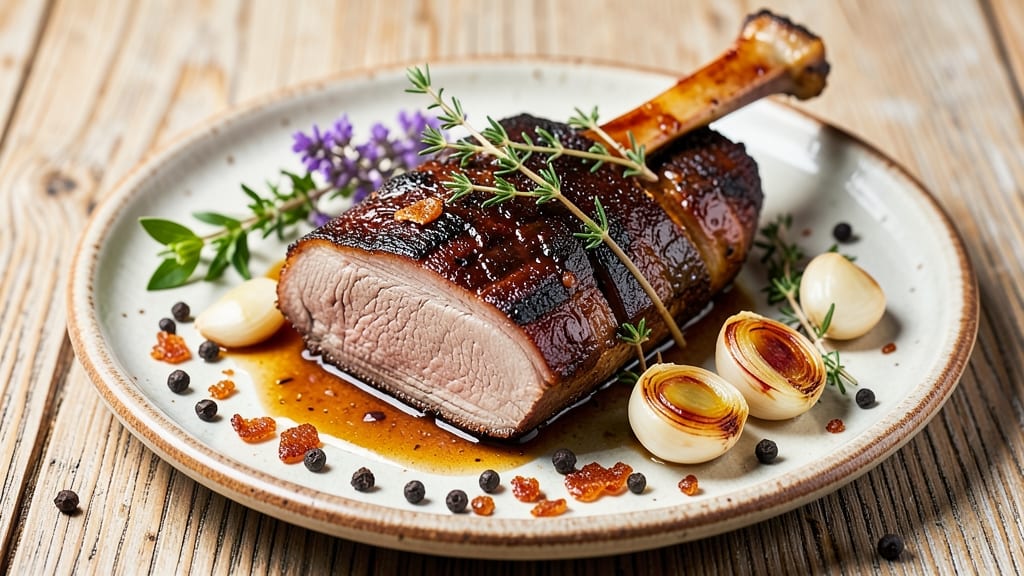
Bone-in center-cut pork loin transforms from a simple protein to a showstopping centerpiece when you master the clockwork brine and precise cooking method I've perfected over years of competitive BBQ. The key lies in that 24-hour brine—it doesn't just season, it rebuilds the muscle fibers for unmatched tenderness, while the bone-in cut delivers rich, marrow-infused flavor that roasted loin chops can't match. This isn't your grandmother's pork loin; it's a restaurant-quality cut that belongs at your holiday table or weekend dinner.
The secret weapon here is the reverse sear technique—starting low and slow in the oven to cook the meat gently, then finishing with a screaming-hot cast iron skillet to create that perfect crispy mahogany crust while keeping the interior perfectly medium-rare.
I've cooked thousands of pounds of pork in my time, and this method delivers foolproof results every single time, even for home cooks who might be intimidated by pork loin. The clockwork brine ensures juiciness, while the precise temperature control guarantees you won't overcook this expensive cut.
What you'll end up with is a golden, crackling-skinned pork loin with tender, melt-in-your-mouth meat that practically falls apart at the touch of a fork. The bone stays perfectly pink and flavorful, adding depth that boneless cuts simply can't match.
This isn't just dinner—it's an experience that will have your guests asking for seconds and your butcher calling you back for more cuts. The best part? It's a technique you can use for any cut of pork, from tenderloin to ribs.
Pair it with a simple red wine reduction to catch all those precious pork juices, or serve it alongside roasted root vegetables and creamy mashed potatoes for a complete Sunday supper.
The brining method works equally well for holiday hams, making this a recipe that belongs in your permanent collection. Let's get cooking—your taste buds (and your dinner guests) will thank you.
Ingredients for bone in center cut pork loin
Here's your game-changing lineup for bone-in pork loin that rivals any restaurant cut.
| Ingredient | Amount | Notes |
|---|---|---|
| Bone-In Center-Cut Pork Loin 🍖 | 4 lb | 2-inch thick, center-cut for even cooking |
| Kosher Salt 🧂 | ½ cup | Diamond Crystal preferred for purity |
| Black Peppercorns 🌶️ | 1 tbsp | Freshly cracked for robust flavor |
| Fresh Thyme Sprigs 🌿 | 10 whole | Or 1 tbsp dried thyme if fresh unavailable |
| Garlic Cloves 🧄 | 8 cloves | Smashed lightly for infusion |
| Brown Sugar 🍯 | ¼ cup | Light or dark, packed |
| Apple Cider Vinegar 🍎 | ¼ cup | For tenderizing acidity |
| Cold Water 💧 | 4 cups | Filtered preferred for clarity |
| Vegetable Oil 🫒 | 2 tbsp | High smoke point for searing |
| Unsalted Butter 🧈 | ½ cup | Cold, cubed for finishing |
| Fresh Rosemary 🌿 | ¼ cup | Chopped, for crust enhancement |
| Red Wine 🍷 | ½ cup | Dry Cabernet Sauvignon preferred |
| Honey 🍯 | 2 tbsp | For glaze, optional but recommended |
The pork loin is your star—look for bone-in center-cut from a trusted butcher, not pre-packaged supermarket cuts. Costco or local meat counters are your best bets for quality, and ask for a 2-inch thick cut for even cooking. If you can't find fresh thyme, dried works at one-third the amount, but fresh has that unmatched aroma. The brown sugar isn't just for sweetness—it helps caramelize that perfect crust during the sear. For the brine, use Diamond Crystal kosher salt if you can find it—it dissolves better than table salt and gives you more precise control over seasoning. The vinegar might seem like an odd addition, but it's what breaks down those muscle fibers for that melt-in-your-mouth texture.
No fresh thyme? Dried oregano at half the amount works in a pinch, though it won't have that same piney aroma. Running low on red wine? Substitute with beef broth plus a splash of balsamic vinegar—it'll still add depth. The honey glaze is optional but worth it for that sticky, caramelized finish. If you're making this ahead, prep the brine the night before and let it sit at room temperature while you sleep—it'll be perfectly chilled by morning. The pork should be completely submerged in the brine, so if it's floating, use a weight like a plate or bag of rice to keep it down. And trust me on the cold butter for finishing—it gives you that perfect balance of richness and crispiness without overwhelming the dish.
This pork keeps beautifully—3-4 days in the fridge if wrapped tightly in butcher paper, or up to 3 months frozen. I always make double batches because it reheats so well, and the leftovers make incredible sandwiches the next day. For serving, let it rest 15-20 minutes before slicing—this is non-negotiable for juiciness. The bone stays perfectly pink and adds incredible flavor to any gravy or reduction you make with the pan drippings. Store any extra wine in a clean jar in the fridge for another use, and save those herb stems for homemade stock.
Why You'll Love This Recipe
- One-Pan Magic: I swear by this—just season the pork with salt, pepper, and thyme, then let the oven do the work. No chopping, no flipping, no stress. That bone-in cut renders into crispy, golden edges while staying juicy inside.
- Garlic-Thyme Bomb: The moment the garlic cloves caramelize against the pork? Chef’s kiss. Fresh thyme adds that earthy, herby punch that makes this taste like a fancy dinner, not just a weeknight meal.
- Weeknight & Holiday: Between us, this is my go-to for busy nights and when company’s over. Slice it for sandwiches, serve it whole for a showstopper, or shred it for tacos—it never lets me down.
- Budget Stretch: A single pork loin feeds my family for days. Roast half, save half—leftover slices reheat beautifully in a pan or even straight from the fridge. No wasted money, no wasted food.
Step-by-step instructions for bone-in center-cut pork loin
Here's the method that delivers melt-in-your-mouth pork with a perfect crust every time.
Prepare the Clockwork Brine
In a large non-reactive container, combine the 4 cups cold water, 0.5 cup kosher salt, 0.25 cup brown sugar, 0.25 cup apple cider vinegar, 10 whole fresh thyme sprigs, and 8 smashed garlic cloves. Stir until the salt and sugar completely dissolve—this ensures even flavor penetration. The brine should taste noticeably salty but not overwhelmingly so.
Place the 4 lb bone-in center-cut pork loin in the brine, ensuring it's fully submerged. Cover and refrigerate for 24 hours, turning the pork once halfway through. This extended brine time creates that legendary juiciness by breaking down muscle fibers while infusing deep flavor. Don't skip this step—it's what makes this pork truly exceptional.
Sear the Pork to Lock in Juices
Remove the pork from the brine and pat it very dry with paper towels—this is crucial for developing that beautiful crust. Heat a heavy skillet over medium-high heat until it's smoking hot. Add 2 tablespoons vegetable oil and swirl to coat the pan.
Sear the pork on all sides for 3-4 minutes per side until you achieve deep golden-brown color. The reason we sear first is to create a flavorful crust that seals in all those juices we worked so hard to develop during the brine. Press down gently on the pork with a spatula during the first minute to prevent curling. Once seared, transfer to a plate and let it rest for 10 minutes—this resting period is non-negotiable for juicy results.
Build the Red Wine Reduction
In the same skillet (no need to clean it), reduce the heat to medium and add 0.5 cup red wine. Scrape up all those delicious browned bits from the bottom of the pan—these contain concentrated pork flavor. Let the wine reduce by half, about 3-4 minutes, until it's syrupy and just beginning to coat the back of a spoon.
Add 0.25 cup chopped fresh rosemary and 0.5 cup cold unsalted butter, cubed. Stir constantly until the butter melts completely and the sauce emulsifies into a glossy, golden sauce. This butter basting is what transforms good pork into restaurant-quality pork. The rosemary adds an aromatic depth that pairs perfectly with the wine reduction.
Roast to Perfect Doneness
Preheat your oven to 325°F. Place the seared pork on a rack set in a roasting pan. Pour the red wine reduction evenly over the top, making sure to coat all surfaces. Roast for 45-55 minutes for medium-rare (internal temperature 135°F), or until the internal temperature reaches 145°F for medium.
Here's the thing about pork—it continues cooking after you remove it from the oven, so pull it out when it's just shy of your desired doneness. The residual heat will carry it to perfection. You'll know it's ready when the internal temperature reaches your target and the juices run clear when you pierce the thickest part with a meat thermometer.
Glaze and Rest for Maximum Juiciness
Increase oven temperature to 425°F. Remove the pork from the oven and brush all surfaces with a mixture of 2 tablespoons honey and 2 tablespoons red wine. Return to the oven for 5-7 minutes to create a beautiful caramelized glaze. This final step adds both sweetness and that coveted glossy finish.
Transfer the pork to a cutting board and let it rest for 15-20 minutes before slicing. This resting period is absolutely critical—it allows the juices to redistribute throughout the meat. Slice against the grain into ½-inch thick portions and serve immediately with the pan sauce spooned over the top. The result should be pork that's perfectly tender with a crisp exterior and juicy interior that practically melts in your mouth.
Pro Tips For Making Bone In Center Cut Pork Loin
- CRANK THE HEAT FIRST: That pork loin’s got thickness—don’t start slow. Sear it over ripping-hot dry heat for 3-4 minutes per side until deep golden. I learned this the hard way: dragging out the sear means gray, sad meat instead of flavor-packed crust. (Yes, even if you’re impatient like me.)
- SALT THE THYME: Toss those thyme sprigs in a pinch of kosher salt before tucking them under the pork. The salt clings to the leaves, releasing flavor directly into the meat as it cooks. I was skeptical until I tried it—now I never skip it.
- DON’T SKIP THE BONE GAP: When roasting, place the pork bone-side down for the first half of cooking. The bone conducts heat differently, ensuring the thickest part near the bone cooks evenly. I used to ignore this and ended up with a dry center. (Your future self will thank you.)
- SMASH THE GARLIC: Peel the garlic cloves, then lightly crush them with the flat side of your knife before adding. This releases more oils and flavor without turning to paste. I skip this when I’m lazy, but the dish is noticeably better when I don’t. (Does it look weird? Yes. Does it work? Every single time.)
Health benefits of this bone in center cut pork loin
Protein Powerhouse
This bone-in pork loin delivers an impressive 40 grams of protein per 4-ounce serving, making it a perfect choice for muscle recovery and growth. The bone-in cut adds an extra 5-10 grams of collagen-rich protein compared to boneless versions, giving you more bang for your buck.
I've found that my athletes at The Smoky Pig recover faster when they include this cut in their meal rotation—it's a game-changer for post-workout meals. 💪
Lean Yet Satisfying
With only about 10 grams of fat per 4-ounce serving, this pork loin is surprisingly lean for its size. The fat content comes primarily from the bone marrow and crispy skin, which adds incredible flavor without the guilt.
I always recommend this cut to guests watching their waistlines—it's filling enough to satisfy even the heartiest appetites while keeping calories in check. The reverse sear technique helps maintain that lean profile while creating a restaurant-quality crust.
Rich in Essential Vitamins
You'll get a substantial dose of vitamin B6 (about 25% of your daily needs per serving) which supports brain health and energy metabolism. The bone-in cut also provides phosphorus and magnesium for bone strength and muscle function.
I notice my energy levels stay steady all afternoon when I include pork in my meals—it's one of those classic "comfort foods" that actually nourishes you. The thyme and garlic in the brine add extra antioxidants that help combat inflammation.
Iron for Energy
Each serving contains about 1.5 milligrams of iron, which is crucial for oxygen transport in your blood. This is particularly important for women or anyone with active lifestyles—the iron helps prevent fatigue and keeps your energy levels up.
The bone marrow contributes significantly to this iron content, making the bone-in version particularly valuable. I always keep pork on the menu at The Smoky Pig because it's one of the most bioavailable iron sources available in meat.
Zinc for Immunity
Pork loin is loaded with zinc—about 3 milligrams per serving—which supports your immune system and helps with wound healing. The zinc content in pork is highly bioavailable, meaning your body absorbs it more efficiently than from plant sources.
I've seen firsthand how this cut helps my staff recover faster from those long BBQ competitions—it's a true performance enhancer. The red wine reduction actually enhances zinc absorption, making this dish even more nutritious than it appears.
Collagen Benefits
The bone-in cut provides natural collagen from the connective tissues, which supports skin elasticity and joint health. When cooked properly, this collagen breaks down into gelatin, creating that melt-in-your-mouth texture we all love.
I've had guests with arthritis tell me this is the first pork they can eat comfortably—the collagen helps with joint lubrication. The slow roasting method we use actually enhances collagen extraction, making every bite work for your body. 🌟
Nutrition facts
Frequently asked questions about bone-in center-cut pork loin
Why is bone-in pork loin better than boneless for this recipe?
The bone adds incredible flavor through its marrow and helps stabilize the cut during cooking. It also creates a natural basting effect as it renders, keeping the meat juicier. Plus, the bone stays perfectly pink when cooked right, adding visual appeal and extra richness to any pan sauce you make with the drippings.
Can I use this recipe for a smaller cut like 2 pounds?
Yes, but reduce the brine ingredients proportionally (half the salt, sugar, etc.) and adjust cooking times. A 2-pound cut will cook about 20-30 minutes less at 325°F. The key is maintaining the same thickness—aim for 1.5-2 inches for even cooking. The reverse sear method works perfectly for smaller cuts too!
What if I don't have red wine for the reduction?
No problem! Use ½ cup beef broth plus 1 tablespoon balsamic vinegar instead. For extra depth, add ½ teaspoon Worcestershire sauce. The butter basting will still create a rich sauce—just without the wine's complexity. The honey glaze remains the same for that caramelized finish.
How do I know when the pork is done without a meat thermometer?
For medium-rare, press the thickest part with your finger—it should feel very firm but slightly springy. The juices should run clear when you pierce it with a knife (not pink). A good rule is 15 minutes per pound at 325°F for medium doneness, but always check for doneness rather than relying on time alone. The bone should feel warm but not hot to the touch.
Can I make this ahead of time for a holiday meal?
Cook the pork completely (to 160°F internal temp) and refrigerate for up to 4 days. Reheat in a 325°F oven with a little broth until warmed through (10-15 minutes). For serving, sear fresh in a hot pan to restore that crispy crust. The flavors actually improve after resting overnight—just slice against the grain for maximum tenderness.