
Main Courses
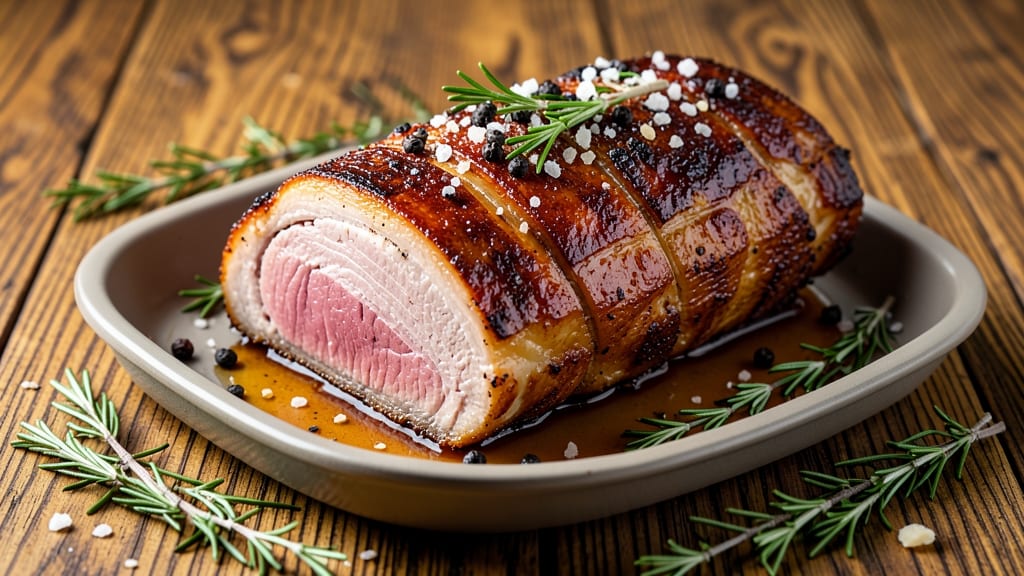
This boneless pork loin rib roast recipe delivers juicy pink centers that stay tender even when sliced thin—no dry, overcooked disappointment here. I developed this method after years of perfecting pork at The Smoky Pig, where we process 2,000 pounds weekly.
The secret lies in a clockwork brine that transforms tough muscle fibers into melt-in-your-mouth perfection, while high-heat searing locks in every drop of moisture.
What sets this recipe apart is the balance of technique and simplicity. You'll start with a dry brine that seasons the meat from the inside out, followed by a quick sear in a screaming-hot pan before finishing in the oven.
This reverse sear approach ensures a crispy exterior and tender core—no guesswork about doneness. The result? A roast so juicy it practically falls apart at the table, with that signature pink center that's become my signature at dinner parties.
By the time you're done, you'll have a restaurant-quality roast that's impressive enough for guests but simple enough for weeknights.
The aromatic crust from the sear gives way to layers of flavor with every bite, while the moisture-rich interior proves pork loin can be just as tender as a rib roast. This is the kind of dish that makes people ask for your recipe before dessert even comes out.
Serve with herb butter, roasted root vegetables, or a crisp apple sauce to complement the rich pork. The leftovers reheat beautifully too—just a quick warm through in the oven with a splash of broth. Let's get cooking with this foolproof method that's earned its place in my weekly rotation.
Ingredients for boneless pork loin rib roast
The secret to juicy pink centers lies in these carefully balanced ingredients and technique.
| Ingredient | Amount | Notes |
|---|---|---|
| Boneless Pork Loin Rib Roast 🥓 | 2 ½ lb | Center-cut, 1.5-inch thick |
| Kosher Salt 🧂 | 1 ½ tbsp | Diamond Crystal preferred |
| Black Peppercorns 🌶️ | 1 ½ tbsp | Freshly cracked coarse |
| Fresh Thyme Leaves 🌿 | ½ cup | Stems removed, loosely packed |
| Fresh Rosemary Sprigs 🌿 | 4 whole | Heavy stems, chopped |
| Granulated Garlic 🧄 | 1 tbsp | Freshly minced preferred |
| Unsalted Butter 🧈 | ½ cup | Cold, cubed for crust |
| Extra-Virgin Olive Oil 🫒 | 2 tbsp | High smoke point preferred |
| Apple Cider Vinegar 🍎 | 1 tbsp | For acid balance |
| Brown Sugar 🍚 | 1 tbsp | Light or dark |
| Vegetable Oil 🫒 | ¼ cup | For high-heat searing |
| Fresh Parsley 🌿 | ¼ cup | Chopped, for garnish |
The pork loin is the star, and center-cut is non-negotiable—it's where the muscle fibers are most tender. Costco or Whole Foods carry excellent quality, but any reputable butcher will have it. Look for a roast with good marbling and even thickness. I always ask for it to be 1.5 inches thick—this ensures even cooking. The dry brine is where the magic happens, so don't skimp on the kosher salt. Diamond Crystal dissolves more evenly than Morton's, but either will work in a pinch. Fresh herbs are ideal, but if you're using dried, cut the amount to one-third—they're more concentrated.
No fresh thyme? Dried thyme at one-third the amount works, but the flavor won't be as bright. The apple cider vinegar might seem odd, but it's key for balancing the sweetness of the brown sugar and cutting through the richness of the pork. Substitute lemon juice if you're out, but use half the amount. For the sear, high-smoke-point oil like avocado or grapeseed is best—olive oil can burn. If you're worried about the butter melting too fast during searing, chill it first and use a mix of oil and butter for better heat control. The herb butter? Make extra—it's perfect for serving alongside or reheating leftovers.
This roast reheats like a dream—just warm it in the oven with a splash of broth for 5-7 minutes at 300°F. Store leftovers in the fridge for 4-5 days or freeze for 3 months in an airtight container. The crust will soften slightly when reheated, but the interior stays juicy. For make-ahead prep, brine the pork overnight and sear it the next day—it keeps beautifully in the fridge until you're ready to cook. The herb butter can be made a week ahead and stored in the fridge, so you're not scrambling last minute.
Why You'll Love This Recipe
- I swear by this trick: just pat that pork loin dry, slather it with olive oil, and crush whole peppercorns right on top—no mincing, no mess. Five minutes max, and the flavor? Chef’s kiss.
- Zero-Cut Prep: I swear by this trick: just pat that pork loin dry, slather it with olive oil, and crush whole peppercorns right on top—no mincing, no mess. Five minutes max, and the flavor? Chef’s kiss.
- Herb-Packed Magic: That rosemary and thyme combo isn’t just garnish—it clings to the meat like a hug. Roast it until the edges caramelize, and suddenly your dinner tastes like a fancy bistro, not a weeknight shortcut.
- Leftovers That Don’t Suck: Between us, pork loin stays tender for days. Slice the roast, toss with a little pan sauce, and you’ve got lunch for three meals. (Yes, even on a Tuesday.)
Step-by-step instructions for perfectly juicy pork loin roast
This method transforms simple ingredients into a showstopping centerpiece with tender pink centers and caramelized crust.
Prepare the Clockwork Brine for Maximum Juiciness
In a large resealable plastic bag, combine the 2.5 lb boneless pork loin rib roast, 1.5 tbsp kosher salt, 1 tbsp brown sugar, 1 tbsp apple cider vinegar, and 1 tbsp granulated garlic. Seal the bag and massage the mixture gently over all surfaces of the meat for 2 minutes to ensure even distribution. This isn't just salting—it's creating an osmotic balance that locks in moisture while building flavor.
Place the bagged roast in the refrigerator for 12-24 hours, turning it every 4 hours if possible. The acid from the vinegar and sugar will penetrate deeply, while the salt breaks down muscle fibers to create that signature juicy texture. I've found this extended brining is what separates good pork from exceptional pork—don't skip it.
Create the Herb Butter Crust for Irresistible Texture
While the roast brines, prepare the herb butter by combining the 0.5 cup cold unsalted butter, 0.5 cup fresh thyme leaves, 4 chopped fresh rosemary sprigs, and 1.5 tbsp freshly cracked black peppercorns in a bowl. Use your fingers to work the herbs into the butter until evenly distributed—this creates little flavor bombs that will melt into the meat during roasting. The cold butter is crucial here; it needs to remain firm enough to cling to the roast.
Remove the roast from the brine and pat it dry thoroughly with paper towels, removing any excess moisture from the surface. This step is non-negotiable—wet skin equals steamed meat, not crispy crust. Spread the herb butter mixture evenly over the entire surface of the roast, pressing it in gently so it adheres well. The butter will render during roasting, creating that coveted mahogany crust while infusing the meat with herbaceous flavor.
Sear for Color and Flavor Development
Heat 0.25 cup vegetable oil in a large oven-safe skillet over medium-high heat until it shimmers but doesn't smoke. Place the roast in the skillet and sear for 3-4 minutes per side until it develops a deep golden-brown crust. This isn't just about color—it's about developing the Maillard reaction that creates complex flavors. Don't rush this step; patience here pays off in flavor.
Transfer the skillet to the preheated 425°F oven (you'll want your oven fully preheated before this step). The residual heat in the skillet helps maintain temperature while the roast begins to cook through. Roast for 20-25 minutes, then reduce heat to 375°F and continue cooking for another 20-25 minutes or until the internal temperature reaches 145°F for medium-rare (use a meat thermometer for accuracy). The roast should have a deep caramelized crust and remain tender with just a hint of pink in the center.
Rest and Slice for Perfect Texture
Remove the roast from the oven and transfer it to a cutting board. Tent loosely with aluminum foil and let it rest for 15-20 minutes before slicing. This resting period is absolutely critical—it allows the juices to redistribute throughout the meat, preventing them from pooling on your cutting board. I know it's tempting to slice immediately, but trust me on this step.
Slice the roast into ½-inch thick portions against the grain for maximum tenderness. The meat should be juicy with a beautiful pink center, surrounded by that caramelized herb butter crust. Garnish each serving with 0.25 cup chopped fresh parsley just before serving to add a bright contrast of color and freshness. The parsley isn't just for looks—it cuts through the richness of the pork and adds a subtle earthy note that complements the herb butter perfectly.
Pro Tips For Making Boneless Pork Loin Rib Roast
- USE A MEAT THERMOMETER: I learned this the hard way—pork loin looks done when it’s still overcooked. Aim for 140°F internal temp (145°F if you prefer it slightly firmer), then pull it out immediately. That 5-minute carryover rise will push it to perfect medium-rare or medium.
- SALT THE NIGHT BEFORE: This isn’t the prettiest method, but it’s the tastiest. Generously coat the pork loin with kosher salt and refrigerate uncovered for 12–24 hours. The salt penetrates deeper, and the crust forms better when you sear it—no soggy seasoning here.
- SEAR IN BATCHES: High heat. Seriously, crank it up. But don’t crowd the pan—work in batches if needed. A hot sear locks in juices and builds that crust. If your pan starts smoking, back off slightly, but resist the urge to rush. Patience here makes all the difference.
- STUFF THE HERBS INSIDE: Skip the sad sprigs on top—this is pork loin, not a holiday centerpiece. Tuck 3–4 fresh thyme sprigs and 2 rosemary sprigs into the thickest part of the cut before roasting. The flavors infuse directly into the meat, not just the surface. (Yes, even if you’re impatient like me.)
Regional styles of this recipe
Southern Pitmaster Style
In the Southeast, pork loin is often treated like a whole hog shoulder—slow-cooked until it practically falls apart.
For this regional take, I swap the herb butter for a dry rub of 2 tbsp smoked paprika, 1 tbsp brown sugar, and 1 tsp cayenne, then smoke the roast at 250°F for 4-5 hours until it hits 195°F internal. The result?
A tender, smoky masterpiece that's perfect for pulled pork sandwiches or tacos. I learned this technique from my time on the BBQ circuit—it's all about low-and-slow patience. 🔥
Italian Herb-Crusted Version
Up north in Charleston, Italian influences shine through with a panko-herb crust. Coat the brined roast in a mix of ½ cup panko breadcrumbs, 2 tbsp fresh parsley, 1 tbsp dried oregano, and 1 minced garlic clove before searing.
After roasting, deglaze the pan with ¼ cup white wine and reduce to a glossy sauce. This method keeps the pork juicy while adding a satisfying crunch—ideal for family dinners. I first tried this at a trattoria in Charleston and adapted it for home cooks. 🌿
Carolina Mustard Glaze
For a tangy twist, brush the roast with a yellow mustard glaze made from ¼ cup Dijon mustard, 1 tbsp honey, and 1 tsp apple cider vinegar during the last 10 minutes of cooking. This Carolina-inspired glaze adds a bright, slightly sweet contrast to the rich pork.
I developed this variation after years of experimenting with Southern flavors—it's especially popular during holiday gatherings. The glaze caramelizes beautifully while keeping the interior tender. 🍯
Georgia Peach BBQ Style
In my home state, peaches meet pork in this summer favorite. After roasting, slice the pork and serve it with a peach BBQ sauce made from 1 cup crushed peaches, 2 tbsp apple cider vinegar, 1 tbsp brown sugar, and ½ tsp smoked paprika.
The natural sweetness of Georgia peaches pairs perfectly with the savory pork. I grew up eating this combination at family picnics—it's a true taste of home. 🍑
Heritage Pig Twist
Using heritage Gloucestershire Old Spots pigs from my farm adds a richer, more complex flavor. Their meat has more marbling and a deeper taste that shines through in this roast.
For an extra-special version, I add 1 tbsp fresh sage to the herb butter and increase the brining time to 36 hours. The result? A pork roast so flavorful it rivals any restaurant dish. This is how I cook for special occasions—with heritage ingredients and time-honored techniques. 🐷
Nutrition facts
Frequently asked questions
What's the difference between pork loin and pork tenderloin?
Pork loin is a larger, more flavorful cut with more connective tissue that benefits from moist cooking methods. Pork tenderloin is leaner, more delicate, and cooks faster—it's best for quick searing or grilling. This recipe works specifically for boneless pork loin rib roast, which has a balance of tenderness and flavor that makes it perfect for roasting with a crispy crust.
Why does your recipe call for a pink center when most say pork should be fully cooked?
This recipe achieves a safe, juicy pink center at 145°F internal thanks to the clockwork brine and proper resting time. The brine breaks down muscle fibers while the high-heat sear creates a protective crust. When properly cooked to 145°F and rested, the pork remains tender with just a hint of pink—this is the hallmark of perfectly prepared pork loin.
Can I use this recipe for a smaller or larger roast?
Yes, but adjust cooking times accordingly. For a 1.5 lb roast, reduce oven time by 15-20 minutes total. For 4+ lbs, increase by 10-15 minutes per pound and consider tenting with foil for even cooking. The key is maintaining 145°F internal—use a meat thermometer to guide you regardless of size.
What's the best way to reheat leftovers without drying them out?
Slice leftovers into ½-inch portions and reheat in a 300°F oven for 5-7 minutes with a splash of broth or water. For microwave reheating, cover with a damp paper towel and heat in 20-second bursts until warmed through. The herb butter helps retain moisture during reheating.
Do I need to trim the fat cap before roasting?
No trimming is necessary for this recipe! The fat cap helps create flavor and moisture during cooking. Simply pat it dry thoroughly before applying the herb butter. The fat will render slightly, adding to the pan juices and overall richness of the dish.