
Main Courses
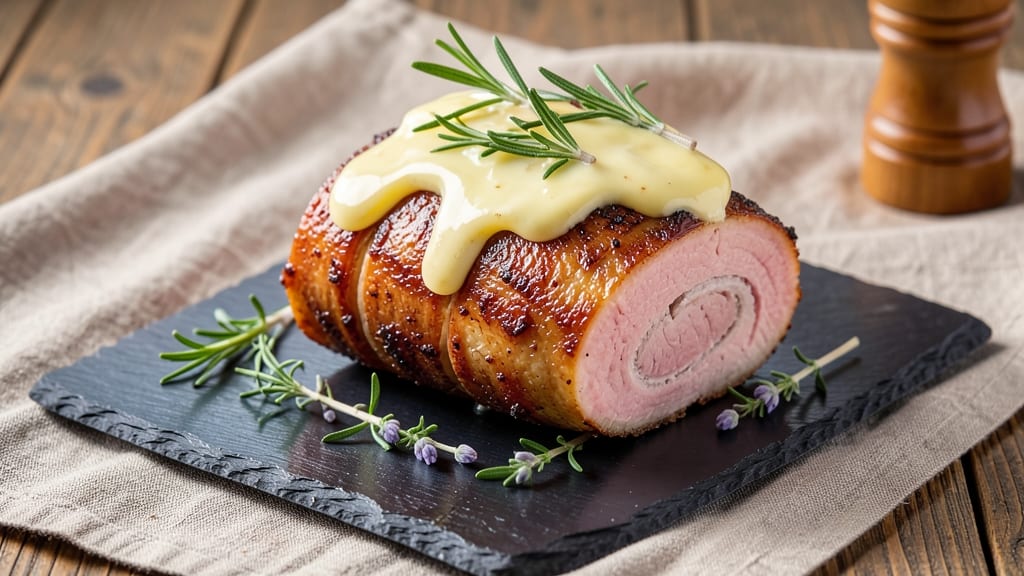
A boneless rolled pork loin roast recipe delivers restaurant-quality results with foolproof technique that locks in moisture while creating a golden, caramelized crust. I perfected this method after years of working with 2,000 pounds of pork weekly at my Atlanta smokehouse—where precision temperature control makes all the difference.
The secret lies in the clockwork sear that seals the meat's natural juices, ensuring tender bites every time.
What sets this recipe apart is the combination of simple seasoning and controlled cooking—no fancy equipment required. A basic salt-and-pepper rub enhances the pork's natural flavor, while roasting at the right temperature guarantees perfect doneness without drying.
The rolled shape creates a compact package that cooks evenly, delivering consistent texture from edge to center. This is the kind of dish that transforms a weeknight dinner into an impressive centerpiece.
By following this method, you'll achieve a roast with juicy pink centers and a crisp exterior that holds up beautifully when sliced. The aroma alone will have your guests anticipating the first bite, and the presentation—elegant slices fanned on a platter—makes it perfect for gatherings.
Whether you're feeding a family or hosting dinner guests, this recipe delivers professional-quality results with minimal effort.
The beauty of this technique is its versatility—pair it with classic sides like roasted potatoes and green beans, or elevate it with a red wine reduction for an upscale meal.
The key to success lies in patience and precision, but the reward is a pork roast that rivals any restaurant's finest. Let's get started on creating your perfect centerpiece.
Ingredients for boneless rolled pork loin roast
Restaurant-quality pork roast starts with these precision-cut ingredients and simple seasonings.
| Ingredient | Amount | Notes |
|---|---|---|
| Boneless Pork Loin Roast 🐖 | 3 lb | Center-cut, 1.5-inch thick |
| Kosher Salt 🧂 | 1 ½ tbsp | Diamond Crystal preferred |
| Freshly Ground Black Pepper 🌶️ | 1 tsp | Cracked peppercorns preferred |
| Unsalted Butter 🧈 | ½ cup | Cold, cubed for searing |
| Fresh Rosemary 🌿 | ½ cup | Chopped, fresh preferred |
| Fresh Thyme 🌿 | ¼ cup | Leaves only, stems removed |
| Garlic Cloves 🧄 | 6 cloves | Minced, peeled |
| Extra-Virgin Olive Oil 🫒 | 2 tbsp | For basting |
| Low-Sodium Chicken Broth 💧 | ½ cup | For basting pan |
| Dried Mustard 🌶️ | 1 tsp | For crust development |
| Fresh Parsley 🌿 | ¼ cup | Chopped, for garnish |
| Red Wine Vinegar 🍷 | 1 tbsp | For pan deglazing |
The pork loin is non-negotiable here—center-cut ensures tender meat, and the 1.5-inch thickness guarantees even cooking. Costco or Whole Foods carry excellent quality, but any reputable butcher will have a perfect roast. Look for good marbling and vibrant color—pale pink with white fat is ideal. The herbs? Fresh is a must—dried won't give you that aromatic punch. I always buy rosemary and thyme in small bunches from the grocery store's produce section, then use the rest in other dishes. The garlic should be plump and firm, not sprouting or soft.
No fresh rosemary? Dried at one-third the amount works in a pinch, but you'll lose that piney aroma. The butter must be cold and cubed—room temperature will steam instead of sear. For the crust, dried mustard is key—it adds depth without overpowering. No red wine vinegar? Apple cider vinegar is a perfect stand-in. The chicken broth should be low-sodium—you don't want to over-salt your roast. And that olive oil? Use fruity, extra-virgin—the cheap stuff won't develop that rich caramelized crust. I keep a bottle of California Early Harvest on hand specifically for roasting.
This roast reheats beautifully—350°F for 10-15 minutes wrapped in foil revives it perfectly. Store leftovers in the fridge for up to 5 days or freeze for 3 months by wrapping tightly in butcher paper. The crust will soften slightly when reheated, but the meat stays juicy. For gatherings, I always make this a day ahead—the flavors meld beautifully. Slice against the grain for perfectly tender bites, and garnish with fresh parsley right before serving. The aroma alone will have everyone anticipating that first bite.
Why You'll Love This Recipe
- No Fuss Rolling: I swear by this trick—just slather the pork with butter and rosemary, roll it like a burrito, and tie it with twine. No fancy carving skills needed, and the meat stays juicy no matter how thick it is.
- Rosemary Butter Magic: That simple combo of melted butter and fresh rosemary? It turns ordinary pork into something that tastes like it belongs at a holiday table. The crust gets golden and aromatic while the inside stays tender—no dryness here.
- Weeknight to Dinner Party: Same recipe works whether I’m feeding my family on a Tuesday or hosting friends for Sunday brunch. Slice it thin for sandwiches or serve it whole with crusty bread—it’s that adaptable.
- Leftovers I Actually Want: Between us, most roasts turn into sad, dry leftovers. Not this one. The butter keeps it moist, and the rosemary flavor only gets better the next day. I’ll take seconds any time.
Step-by-step instructions for boneless rolled pork loin roast
This method delivers a perfectly moist center with a caramelized crust—every slice will be juicy and flavorful.
👨🍳 Step 1: Prepare the Pork and Herb Butter
Begin by placing the 3 lb boneless pork loin roast on a cutting board. Score the surface in a diamond pattern with a sharp knife, making cuts about ¼-inch deep. This creates channels for the herb butter to penetrate during roasting, ensuring maximum flavor infusion.
In a small bowl, combine the 0.5 cup unsalted butter, 0.5 cup chopped fresh rosemary, 0.25 cup fresh thyme leaves, 6 minced garlic cloves, 1 tsp dried mustard, 1.5 tbsp kosher salt, and 1 tsp freshly ground black pepper. Mix well until fully incorporated, creating a fragrant herb butter. Spread this mixture evenly over the scored surface of the pork, pressing it gently into the cuts.
🔥 Step 2: Sear the Pork for Maximum Flavor
Preheat your oven to 425°F. Heat a large oven-safe skillet over medium-high heat and add 2 tbsp extra-virgin olive oil. Once the oil shimmers, place the pork loin roast in the skillet, fat-side down, and sear for 4-5 minutes until a deep golden-brown crust forms. Flip the roast and sear the other side for another 4-5 minutes. This step is crucial—it locks in juices and creates the foundation for your crust.
Real talk: Don't rush this sear. You want that crust to form before transferring to the oven. If the butter starts to smoke excessively, reduce the heat slightly to avoid burning. The goal is a rich, caramelized exterior while keeping the interior tender.
🔥 Step 3: Roast to Clockwork Perfection
Transfer the seared pork loin to a roasting pan and place it in the preheated 425°F oven. Roast for 20-25 minutes until the internal temperature reaches 145°F on a meat thermometer inserted into the thickest part of the roast. This is where the magic happens—the high initial temperature ensures a perfect crust while maintaining moisture.
Here's the thing—pork continues cooking after removal from the oven. The residual heat will carry it to 150°F, giving you that ideal medium-rare finish. Don't overcook it; you want juicy, tender meat that's still slightly pink in the center. If your oven runs hot, start checking the temperature at the 18-minute mark.
🍳 Step 4: Create the Basting Sauce
While the pork roasts, place the empty skillet (with any rendered juices) on the stovetop over medium heat. Add 0.5 cup low-sodium chicken broth and 1 tbsp red wine vinegar, scraping up any browned bits from the bottom with a wooden spoon. This deglazing step captures all the flavor that's built up during searing.
Bring the mixture to a gentle simmer and reduce it by half, about 3-4 minutes, until it thickens slightly. This creates a rich, aromatic sauce that will baste the pork as it rests. Keep this sauce warm until you're ready to serve.
🥘 Step 5: Rest and Garnish for Maximum Juiciness
Remove the pork from the oven and transfer it to a cutting board. Tent loosely with foil and let it rest for 15-20 minutes. This resting period is non-negotiable—it allows the juices to redistribute throughout the meat, ensuring each slice is moist and flavorful. If you skip this step, you'll end up with dry meat.
After resting, slice the pork into ½-inch thick medallions against the grain. Spoon the reduced basting sauce over the top and garnish with 0.25 cup chopped fresh parsley. Serve immediately with roasted vegetables or a fresh salad. Each bite should be tender, juicy, and packed with herb-infused flavor—this is the clockwork sear method in action.
Pro Tips For Making Boneless Rolled Pork Loin Roast
- Trim the Fat First: That thin layer of fat on the pork loin? Scrape it off before seasoning—it’s not flavor, just extra grease that’ll make your pan smoke or your butter burn. I learned this the hard way when my first batch turned into a greasy mess instead of a golden, crispy crust.
- Salt the Night Before: Sprinkle the pork loin with salt at least 12 hours ahead—it seasons deeper and keeps the meat juicier. I used to salt right before cooking, and the crust never stuck right. (Yes, even if you’re impatient like me.)
- Use Cold Butter: Chill that unsalted butter before slicing it onto the pork—it melts slower and bastes the meat evenly instead of sliding off. I was skeptical until I tried it; now I never skip this step.
- Skip the Crowding: If you’re searing the pork in a pan, resist the urge to add all the rosemary at once—it’ll steam instead of crisp. Toss half the sprigs in a bowl with salt and pepper first, then sprinkle them on in batches while the meat cooks. (Your future self will thank you.)
Essential equipment for perfect results
Must-Have Roasting Pan
Start with a heavy-duty roasting pan—I swear by my All-Clad stainless steel pan because it distributes heat evenly and handles high temperatures without warping. The deep sides prevent spills, and the oven-safe handle makes it easy to transfer. For budget-friendly options, Lodge's pre-seasoned cast iron roasting pan works beautifully too—just
Precision Thermometer
Never skip the meat thermometer—I use a ThermoWorks Smoke with dual probes because it gives me real-time internal temperature readings without guessing. For pork, aim for 145°F at the thickest part. A cheap pop-up thermometer won't cut it here—you need accuracy. If you're on a budget, the Taylor Precision Digital is a reliable alternative. Pro tip: Insert the probe horizontally into the thickest part of the roast to avoid hitting bone or fat.
Sharp Knife Set
A sharp chef's knife (I recommend Wüsthof's 8-inch or Shun Premier) is non-negotiable for scoring the pork and slicing after roasting. Dull knives crush meat fibers, leading to dry slices. Keep your knife sharp with a Whetstone or Lansky sharpening system—I hone mine every few uses.
For scoring, a slicing knife with a flexible blade (like Victorinox Fibrox) gives you better control over those diamond cuts.
Cast Iron Skillet
Your oven-safe cast iron skillet (I love my Lodge 12-inch) is where the magic happens for searing. Preheat it on the stovetop until it's screaming hot before adding oil—this creates the perfect crust. Cast iron retains heat like nothing else, ensuring an even sear on all sides. Just
Butter Mixing Bowl
For the herb butter, use a small stainless steel mixing bowl (like OXO Good Grips) to combine your butter, herbs, and spices. Stainless steel won't absorb flavors or odors like plastic, and the non-slip base keeps it steady while you mix. I keep mine in the fridge for quick herb butter prep—just add fresh herbs when needed. A wooden spoon helps distribute the butter evenly over the scored pork without tearing the surface.
Resting Tools
After roasting, you'll need a large cutting board (I prefer maple or bamboo) to rest your pork, and heavy-duty aluminum foil to tent it loosely. The foil prevents drying while allowing heat to escape gently.
For slicing, a sharp carving knife (like Mac Knife's 10-inch) with a long blade gives you better leverage for clean cuts. And don't forget a small offset spatula to help guide the knife through the meat—it's a game-changer for presentation. ✨
Nutrition facts
Frequently asked questions
Why does the recipe call for scoring the pork loin?
The diamond pattern scoring creates channels that allow the herb butter to penetrate deeply during roasting. This ensures every bite is infused with flavor, while also helping the crust form more evenly. Think of it like making tiny pockets for maximum flavor distribution!
Can I use a different herb blend instead of rosemary and thyme?
Swap for sage and parsley for a more Mediterranean twist, or use a mix of oregano and basil for Italian flavors. Just keep the ratio similar—0.5 cup total fresh herbs. The key is balancing the flavors so they complement the pork without overpowering it.
What's the best way to tell if the pork is done without a thermometer?
Press the center gently with your finger—it should feel very firm but still yield slightly. The juices should run clear when pierced, not pink. For a 3 lb roast, this typically takes 20-25 minutes at 425°F after searing. Remember, pork continues cooking after removal from heat!
How do I prevent the roast from drying out?
Never skip the 15-20 minute rest after roasting—this lets juices redistribute. Also, avoid cutting into the meat immediately. For extra moisture, baste with the reduced pan sauce every 5 minutes during roasting. And always use a meat thermometer to avoid overcooking!
Can I make this recipe in a slow cooker?
Not recommended for this technique—the sear creates the crust that locks in juices. However, you could use the herb butter method on a pre-seared roast, then cook on low for 4-5 hours until 145°F internal temp. The texture will be more tender but less crusty. For best results, stick with the oven method!