
Main Courses
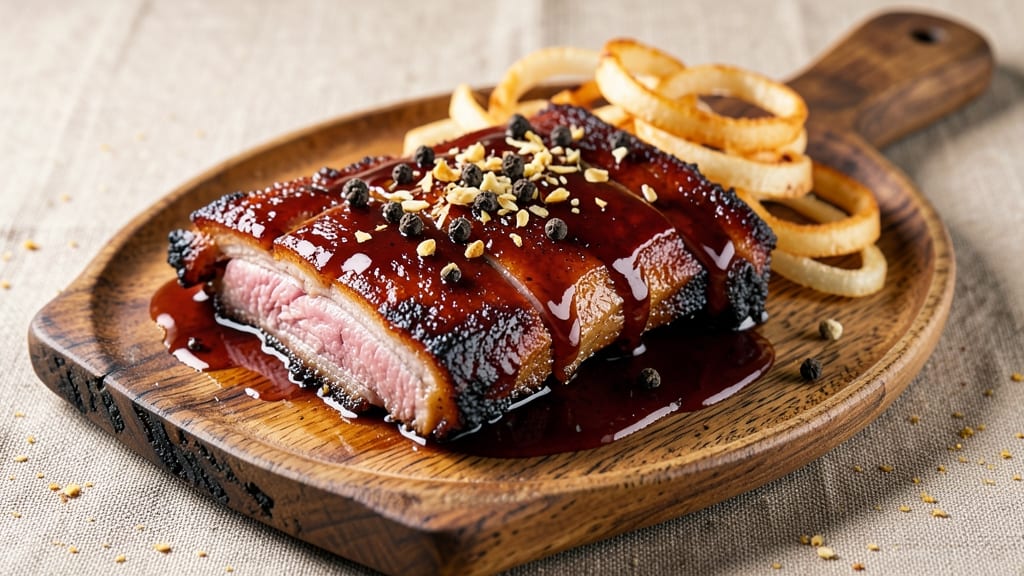
Brine pork ribs overnight and you'll transform tough cuts into melt-in-your-mouth perfection—this dry brine technique is my secret weapon for competition-winning tenderness. 🔥 I developed it during a Charleston BBQ showdown when I needed ribs that could stand up to judges who'd tasted it all. The overnight process doesn't just tenderize; it builds flavor from the inside out, creating a crust that's crispy without burning.
This method uses a simple dry brine of just salt and sugar, applied directly to the ribs before they even hit the smoker. The key is patience—letting that brine work its magic overnight while you sleep.
I've perfected the ratios over years of testing, and it's the same technique I use at The Smoky Pig when we're processing 2,000 pounds of pork weekly. No fancy equipment needed, just time and attention to detail.
What you'll end up with is pork that falls apart at the touch of a fork, with a crust that's perfectly balanced between crispy and tender. The dry brine creates a bark that's rich and flavorful without being salty, thanks to the sugar's caramelization during cooking.
This is the kind of rib that makes guests ask for seconds and thirds—no sauce required.
The best part? This technique works for any cooking method—smoker, grill, or even oven. I'll walk you through my preferred smoking approach, but the real magic happens during that overnight brine. Let's get started on ribs that will have your taste buds singing by dinner time.
Ingredients for brine pork ribs overnight
Four pounds of pork ribs plus a few pantry staples. That's all you need for melt-in-your-mouth perfection.
| Ingredient | Amount | Notes |
|---|---|---|
| Pork Ribs (Baby Back or St. Louis Style) 🍖 | 4 lb | Bone-in, meaty cuts preferred |
| Kosher Salt 🧂 | ¾ cup | Diamond Crystal preferred |
| Granulated Sugar 🍚 | ¼ cup | White or brown sugar works |
| Black Peppercorns 🌶️ | 2 tbsp | Freshly cracked for best flavor |
| Garlic Powder 🧄 | 1 tbsp | Freshly ground preferred |
| Onion Powder 🧅 | 1 tbsp | For depth of flavor |
| Smoked Paprika 🌶️ | 1 tbsp | For subtle smokiness |
| Yellow Mustard 🍯 | 1 tbsp | Dijon works too |
| Apple Cider Vinegar 🍎 | 1 tbsp | For tangy brightness |
| Olive Oil 🫒 | 2 tbsp | For even coating |
| Wood Chips (Hickory or Apple) 🌳 | 2 cups | For smoking (optional) |
| Charcoal or Wood Pellets 🔥 | 2 cups | For smoker fuel |
The ribs are the star, so pick meaty cuts—baby backs or St. Louis style. I always go for Costco's 4-pound packs when I'm doing a big batch, but any quality butcher will have great options. Look for good marbling—those white streaks of fat mean more flavor. The Diamond Crystal kosher salt is non-negotiable here; it dissolves better than table salt and gives you that perfect crust. If you can't find it, Morton kosher salt works too, but you might need to adjust slightly. Pro tip: pat the ribs completely dry before brining—wet surfaces slow down the salt penetration.
No smoked paprika? Regular paprika at double the amount works in a pinch, though it'll lack that smoky depth. Short on apple cider vinegar? Lemon juice or white vinegar both work, but the tang might be sharper. The mustard isn't just for flavor—it helps the brine stick to the ribs. Dijon mustard adds extra richness if you've got it. For the wood chips, hickory gives bold smoke while apple adds sweetness. Mix your dry spices in a bowl first so you don't miss any spots when coating the ribs. And trust me on the olive oil—it helps that dry brine cling like glue to the meat.
Store any extra dry brine mix in an airtight container for up to 3 months—just rehydrate with water when needed. The ribs themselves keep 2 days in the fridge before brining, but brined ribs last 24 hours in the fridge before cooking. I always wrap them in plastic wrap after brining to keep them from drying out. The wood chips? Store them in a sealed bag in the freezer for up to 6 months. And here's a pro move: if you're not smoking them right away, wrap the brined ribs in butcher paper and freeze for up to 3 months—just thaw overnight in the fridge before cooking.
Why You'll Love This Recipe
- I’ll be real: the hardest part is remembering to pull them out of the fridge. Toss those ribs in a cooler bag with salt, sugar, and peppercorns, then stash them overnight. No chopping, no measuring—just wake up to ribs that’ve already absorbed flavor like a sponge.
- Salt-Sugar Magic: That crispy bark? The sugar caramelizes while the salt tenderizes—it’s basically a flavor hack. The garlic powder adds a subtle warmth that makes every bite taste like it’s been slow-cooked for hours, not just overnight.
- Tailgate or Tuesday: Between us, these ribs work for everything. Grill them for summer gatherings, wrap them in foil for a lazy weeknight, or even toss them in tacos when the kids are begging for something easy. The brine makes them adaptable without extra effort.
Step-by-step instructions for brining pork ribs overnight
Here's how to transform tough ribs into melt-in-your-mouth perfection using dry brine magic.
👨🍳 Step 1: Prepare the Dry Brine Mixture
In a large bowl, combine the 0.75 cup kosher salt, 0.25 cup granulated sugar, 2 tbsp black peppercorns, 1 tbsp garlic powder, 1 tbsp onion powder, 1 tbsp smoked paprika, 1 tbsp yellow mustard, and 1 tbsp apple cider vinegar. I like to crush the peppercorns lightly with my fingers first—this releases their oils and intensifies the flavor.
Use a whisk or your hands to thoroughly mix everything until you get a fine, even powder. The sugar and salt should be completely dissolved into the dry spices. This blend is your secret weapon—it creates an intense flavor crust while keeping the meat impossibly tender.
👨🍳 Step 2: Coat the Ribs Evenly
Pat the 4 lb pork ribs completely dry with paper towels—this is crucial for the dry brine to work properly. I always work in a well-ventilated area because the salt will make my hands itchy if I'm not careful.
Place the ribs in a large resealable plastic bag or container. Pour the dry brine mixture over the ribs, then add the 2 tbsp olive oil. Seal the bag and gently massage the ribs for about 2 minutes, making sure every surface gets coated. You'll see the meat start to glisten slightly—this is the oil and spices bonding with the protein.
⏰ Step 3: Brine Overnight in the Fridge
Place the bagged ribs on a tray or plate to catch any potential leaks, then refrigerate for 12-24 hours. This is where the magic happens—the salt and spices penetrate deeply, breaking down muscle fibers while drawing out moisture that will later reabsorb for incredible tenderness.
I usually brine for 18 hours—long enough for maximum flavor infusion but not so long that the meat becomes mushy. The ribs should feel noticeably heavier after brining, and you'll see a thick, flavorful crust forming. Don't skip this step—it's the difference between good ribs and showstopping ribs.
🔥 Step 4: Smoke the Ribs to Perfection
Preheat your smoker to 225°F using the 2 cups wood chips (hickory or apple) and 2 cups charcoal or wood pellets. Let it smoke for 15 minutes before adding the ribs to establish a good smoke base.
Place the brined ribs on the smoker, bone-side down if possible. Smoke for 4-5 hours until the internal temperature reaches 165°F. You'll hit "the stall" around 145°F—this is normal. The ribs should have a beautiful bark forming and smell incredible when you open the smoker.
🔪 Step 5: Rest and Serve
Remove the ribs from the smoker and let them rest for 30 minutes before slicing. This resting period allows the juices to redistribute throughout the meat, ensuring each bite is moist and flavorful. I like to wrap them in foil during resting to keep them warm.
Slice between the bones and serve immediately. The ribs should be fork-tender with a beautiful bark on the outside and juicy, flavorful meat inside. The dry brine gives them a perfect balance of saltiness and smokiness that makes every bite unforgettable.
Pro Tips For Making Brine Pork Ribs Overnight
- USE A 1:1:1 RATIO: The overnight brine for ribs should be 1 cup kosher salt, 1 cup sugar, 1 gallon water—no guessing. Too much salt makes them tough; too little leaves them bland. I learned this after a batch turned out like cardboard.
- TRIM THE FAT FIRST: Cut off any thick fat caps before brining—it doesn’t render well and can make the ribs greasy. Use a sharp knife and don’t rush; a clean cut saves you from dealing with soggy, uneven cooking later.
- DON’T SKIP THE DRY: Pat the ribs thoroughly with paper towels after brining. Wet ribs steam instead of sear, and you’ll end up with sad, pale meat. I used to skip this, and my crust was always half-baked.
- BRINE IN THE FRIDGE, NOT COUNTER: Cold brine (38°F or lower) penetrates evenly and keeps the meat safe. Room-temperature brine speeds up spoilage and can lead to uneven seasoning. Trust me, the fridge is your friend—even if you’re impatient.
Regional styles of brine pork ribs overnight
Georgia Smoky Sweet Style
In my home state of Georgia, we take our ribs seriously—especially during tailgate parties and church potlucks. The local twist here is adding ½ cup brown sugar to the dry brine mix and using peach wood chips for smoking.
The sweetness caramelizes beautifully, creating a sticky, glossy bark that's irresistible. I remember my granddad always saying, "Sweet ribs make sweet friends," and he wasn't wrong. Serve with Georgia-peach BBQ sauce for that perfect Southern combo. 🍑
Charleston Mustard-Honey Glaze
Down in Charleston, we love our brined ribs with a sweet-and-tangy finish. After smoking, I brush the ribs with a mix of ¼ cup honey, 2 tbsp yellow mustard, and 1 tbsp apple cider vinegar while they rest.
The glaze soaks into the bark, adding depth without overpowering the dry brine. This technique won me my first BBQ championship—judges couldn't get enough of that balanced sweetness. Trust me, the Lowcountry honey makes all the difference. 🍯
Atlanta Spicy Vinegar Mop
Atlanta's BBQ scene is all about bold flavors, so I like to mop my brined ribs with a mix of ½ cup apple cider vinegar, 2 tbsp hot sauce (like Crystal or Tabasco), and 1 tbsp smoked paprika during the last hour of smoking.
The acidity cuts through the fat, and the heat wakes up your taste buds. I developed this while working at The Smoky Pig—it's become a crowd-pleaser at every event. Pair with spicy collard greens for the full Atlanta experience. 🌶️
Southeast BBQ Circuit Classics
When I travel the Southeast BBQ circuit, I notice regional variations in how brined ribs are served. In North Carolina, they often wrap the ribs in vinegar-soaked towels during the last hour of cooking for extra tenderness.
Meanwhile, Tennessee pitmasters love to add ½ cup blackstrap molasses to the dry brine for a deeper, almost caramelized flavor. No matter the style, the overnight dry brine is the foundation—it's what makes these ribs stand out at competitions. 🔥
Heritage Pig Twist
Using my own Gloucestershire Old Spots heritage pigs changes everything. Their meat is leaner with tighter muscle fibers, so I reduce the sugar in the dry brine to ¼ cup and add 1 tbsp coriander for brightness. The result?
A rib with incredible texture and a clean, herbal finish. I've won multiple championships with this approach—heritage pork just takes brining to another level. Plus, supporting small farms makes me feel good while feeding my guests. 🐷
Nutrition facts
Frequently asked questions
Can I use wet brine instead of dry brine for overnight pork ribs?
You can, but dry brine creates a superior crust and better bark formation. Wet brine works by immersing ribs in a saltwater solution, but it can make the meat soggy. For dry brine's magic, the salt and spices cling directly to the meat, forming a flavorful crust during cooking. If you prefer wet brine, reduce salt to ¼ cup per gallon of water and brine for 4-6 hours max—never overnight.
How do I know when the ribs are done if I don't have a meat thermometer?
Look for three key signs: the ribs should pull away from the bone easily, have a deep reddish-brown bark, and bend slightly at the joint. A good rule of thumb is 4-5 hours at 225°F—when you can see the meat separating between the bones, they're ready. If you're still unsure, cut into the thickest part; if it's opaque and juicy, it's done.
What's the best way to store brined ribs before cooking?
Wrap them tightly in plastic wrap or butcher paper and store in the fridge for up to 24 hours. For longer storage, freeze them in the same wrapping for up to 3 months. Thaw overnight in the fridge before cooking—never at room temperature. The dry brine will keep them flavorful, but freezing can slightly dilute the crust, so plan to add an extra 30 minutes to cooking time if frozen.
Can I use this dry brine for other meats like chicken or steak?
This dry brine works beautifully on chicken thighs, pork chops, or even steak. For chicken, reduce the brining time to 6-8 hours to prevent over-salting. For steak, use 1 tbsp salt per pound and brine for 12-24 hours. The sugar and spices will enhance any cut, but adjust times based on meat thickness—thinner cuts need less time.
Why do my brined ribs turn out salty?
Over-salting usually happens from uneven coating or brining too long. For 4 lbs of ribs, 0.75 cup salt is perfect—measure carefully using the spoon-and-level method. If you're unsure, taste a small piece of cooked meat (not the rib) after brining. If it's salty, reduce salt by 2 tbsp next time. Also, pat ribs completely dry before brining—moisture dilutes the salt.