
Main Courses
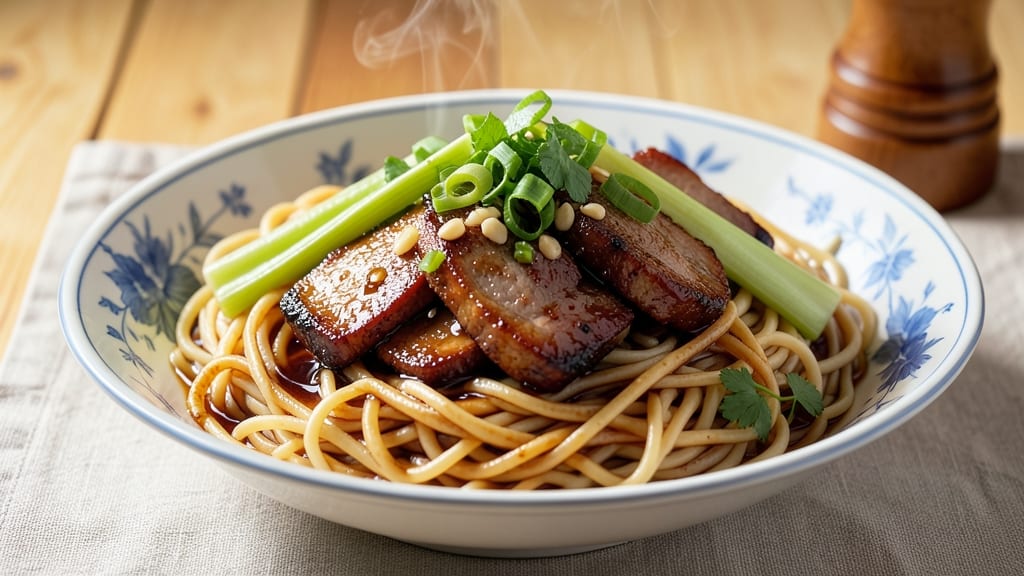
This Cantonese pork chow mein recipe delivers the perfect balance of crispy, chewy noodles and tender pork with that signature wok-fried aroma. 🔥 After years of perfecting this dish in professional kitchens, I've streamlined it for home cooks while keeping the authentic techniques that make it stand out—high-heat stir-frying and proper sauce integration are non-negotiable for that restaurant-quality result.
The secret to authentic Cantonese chow mein lies in the crispy celery crowns and the way the sauce clings to every strand of noodle. You'll start with fresh egg noodles that we'll stir-fry until they're golden and chewy, then toss in marinated pork that's been seared to perfection.
The sauce—a balance of soy, oyster, and a touch of sugar—will coat everything evenly without making it soggy.
What you'll end up with is a vibrant, flavor-packed dish that's as impressive as it is delicious: perfectly cooked noodles with crispy edges, tender pork pieces, and those signature celery crowns that add both texture and visual appeal.
The aroma alone will have everyone gathering around the table, and the first bite delivers that perfect harmony of savory, slightly sweet, and umami-rich flavors.
This recipe serves four and takes about 30 minutes from start to finish—ideal for a weeknight dinner that feels special. The key is keeping everything moving quickly over high heat, just like in a professional wok. Let's get started on creating your own Cantonese chow mein masterpiece.
Ingredients for cantonese pork chow mein
These fresh ingredients come together over high heat to create crispy, chewy Cantonese pork chow mein with signature celery crowns.
| Ingredient | Amount | Notes |
|---|---|---|
| Fresh Egg Noodles 🍜 | 12 oz | Dried or fresh, cut into 3-inch strands |
| Boneless Pork Shoulder 🐖 | 1 ½ lb | Cut into 1-inch cubes, marinated |
| Celery Stalks 🧅 | 4 whole | Cut into 1-inch pieces, thick slices for crowns |
| Green Onions 🧅 | 6 whole | Cut into 1-inch pieces, white and green parts separated |
| Garlic Cloves 🧄 | 6 cloves | Minced, for marinade and stir-fry |
| Vegetable Oil 🫒 | ½ cup | High smoke point for wok-frying |
| Light Soy Sauce 🍶 | ⅓ cup | For marinade and sauce |
| Dark Soy Sauce 🍶 | 1 tbsp | For color and depth |
| Oyster Sauce 🍶 | 2 tbsp | Authentic umami flavor |
| Sesame Oil 🫒 | 1 tbsp | For finishing aroma |
| Cornstarch 🌾 | 1 tbsp | For crispy pork coating |
| White Sugar 🍚 | 1 tbsp | Balances savory flavors |
| Sesame Seeds 🌰 | 1 tbsp | For garnish, toasted |
| Salt 🧂 | 1 tsp | Kosher or sea salt |
| Black Pepper 🌶️ | ½ tsp | Freshly ground |
The pork shoulder is the star here—look for cuts with good marbling for tenderness. Butcher shops often have the best quality, but the regular grocery store pork shoulder works too if it's fresh. Trim any large fat chunks before cutting into cubes. For the celery crowns, slice the thickest part of the stalk diagonally into quarter-inch pieces—these crisp up beautifully during stir-frying. The egg noodles should be fresh if possible, but dried noodles work in a pinch (just cook them al dente). Trader Joe's carries excellent pre-cut egg noodles if you want to save time.
No oyster sauce? Hoisin sauce or a mix of soy sauce and a splash of vinegar gets you close, though it won't have the same depth. The sesame oil is non-negotiable for that authentic aroma—use the toasted variety for extra flavor. For the pork marinade, let it sit for at least 30 minutes (overnight is even better). If you're short on time, a quick 15-minute marinade still works, but the pork won't be as tender. The cornstarch coating is what gives the pork its signature crispiness—don't skip it. For extra wok hei flavor, add a dried chili or two to the oil while preheating the wok.
This dish tastes even better the next day—leftovers reheat beautifully in a hot wok or skillet. Store in an airtight container in the fridge for up to 3 days or freeze for 2 months. The noodles soften when reheated, so add a splash of water or broth to revive them. For serving, keep the celery crowns separate until the last minute to maintain their crispness. Garnish with extra green onions and sesame seeds right before eating—this is where the dish really shines.
Why You'll Love This Recipe
- One-Pan Magic: I swear by this recipe because it’s actually one-pan friendly—no chopping boards everywhere. Toss the pork, celery, and noodles into a single wok, and let the garlic and green onions sizzle into flavor without the mess. (Yes, even on a Tuesday night when I’m too tired to wash three bowls.)
- Crispy-Tender Pork: That boneless pork shoulder? It’s the star—chewy edges with a melt-in-your-mouth center, all thanks to a quick sear before the stir-fry. Honestly, the first time I bit into it, I nearly dropped my spatula. The celery adds a satisfying crunch, too, so it’s not just sauce and noodles.
- Lunchbox Hero: Between us, this is my go-to for meal prep because it reheats like a dream. Pack the leftovers in containers, and they stay fresh for days—no soggy noodles here. My kid still asks for it at school, and I’ve even brought it to potlucks (it’s the dish people always finish first).
- Budget Stretch: A pound of pork shoulder and a bag of noodles go a long way, especially when you’re feeding a crowd. I’ll be real: it’s not the fanciest dish, but it’s solid, filling, and costs me half of what takeout would. Plus, the green onions and garlic are cheap staples that make everything taste next-level.
Step-by-step instructions for wok-fried noodles with crispy celery crowns
Let's create a restaurant-style Cantonese pork chow mein with perfectly crispy pork and celery.
🍳 Step 1: Marinate and Prep the Pork for Maximum Crispiness
In a bowl, combine the 1.5 lb boneless pork shoulder cut into 1-inch cubes with 0.33 cup light soy sauce, 1 tbsp dark soy sauce, 2 tbsp oyster sauce, 1 tbsp white sugar, 1 tsp salt, 0.5 tsp black pepper, and 3 minced garlic cloves from the 6 cloves garlic cloves. Mix well until the pork is evenly coated. Cover and refrigerate for at least 30 minutes—this marinade works magic to tenderize the meat while building deep flavor.
While the pork marinates, prepare the celery crowns. Cut the 4 whole celery stalks into 1-inch thick slices, leaving the leafy tops intact for presentation. These will become the signature crispy element of your chow mein. Set them aside on a plate.
👨🍳 Step 2: Cook the Pork Until Golden and Crispy
Heat 0.25 cup vegetable oil in a wok or large skillet over high heat until shimmering. Working in batches (don't overcrowd), add the marinated pork and cook undisturbed for 2-3 minutes until the bottoms develop a deep golden crust. This is where the magic happens—don't move it yet. Once golden, stir and cook for another 3-4 minutes until the pork is fully cooked through and crispy on all sides.
Remove the pork and set aside. In the same wok, add another 0.25 cup vegetable oil and heat until smoking. Add the celery crowns in a single layer and cook for 3-4 minutes until the edges turn golden brown and crispy. The celery should maintain its structure but develop a beautiful caramelized color. Remove and set aside with the pork.
🍳 Step 3: Stir-Fry the Noodles with Aromatics
In the same wok, add the remaining 0.25 cup vegetable oil and swirl to coat. Add the 6 whole green onions (cut into 1-inch pieces) and the remaining 3 minced garlic cloves. Stir-fry for 30 seconds until fragrant—you should smell that garlic releasing its sweet aroma. Add the 12 oz fresh egg noodles and toss vigorously for 1-2 minutes until they're heated through but still slightly chewy.
Here's the thing—don't overcook the noodles. They'll continue cooking when mixed with the hot pork and sauce. The goal is al dente texture with a slight bite. If using dried noodles, cook them separately according to package instructions and drain well before adding to the wok.
🥘 Step 4: Combine Everything for the Perfect Sauce
Return the crispy pork and celery crowns to the wok. Add 1 tbsp cornstarch to create a light coating on the pork, then pour in 0.33 cup light soy sauce, 1 tbsp dark soy sauce, and 2 tbsp oyster sauce. Toss everything together vigorously for 1-2 minutes until the sauce thickens slightly and clings to the noodles and pork.
This is where the sauce comes together. The cornstarch helps create that glossy, slightly thick coating characteristic of authentic chow mein. If the sauce seems too thin, add 1-2 tablespoons of hot water from the noodles' cooking water (if using dried noodles) to loosen it. The sauce should coat everything without being gloppy.
🍽️ Step 5: Finish and Garnish for Restaurant-Quality Presentation
Remove the wok from heat and stir in 1 tbsp sesame oil. This final step adds that signature nutty aroma that takes your chow mein from home-cooked to restaurant-quality. Taste and adjust seasoning—you might want to add a splash more light soy sauce if it needs more saltiness.
Transfer the chow mein to serving plates, garnishing each portion with 1 tbsp toasted sesame seeds and the reserved green onion tops for color contrast. Serve immediately while everything is hot and crispy. The contrast of textures—crispy pork, tender noodles, and crunchy celery crowns—makes this dish truly special.
Pro Tips For Making Cantonese Pork Chow Mein
- CUT PORK SLICE-WISE: Fresh egg noodles are delicate—thinly sliced pork cooks faster and absorbs sauce better. I used to dice it like steak, but now I slice it ¼-inch thick against the grain, so it stays tender even when stir-fried twice.
- BLANCH CELERY FIRST: Celery’s tough fibers need a head start. Toss chopped celery in boiling water for 30 seconds, then shock in ice water—this softens it without wilting, so it blends into the sauce instead of turning mushy later.
- STOP STIR-FRY WHEN RAW: The pork should look slightly undercooked when you plate it—it’ll finish cooking from residual heat. I learned this the hard way: overcooking turns it chewy, and the noodles lose their bite. Pull it out when the center’s still pink.
- USE LESS SAUCE: Cantonese chow mein relies on wok hei, not drowning in sauce. After stir-frying pork and veggies, add just enough light soy, oyster sauce, and a splash of Shaoxing wine—taste as you go. The noodles will soak up flavor better this way.
Dietary considerations for this recipe
Gluten-Free Adaptation
For a gluten-free version, replace the egg noodles with rice noodles or shirataki noodles—both work beautifully in stir-fries. I recommend jasmine rice noodles (soaked in warm water for 10-15 minutes until pliable) for that chewy texture.
The sauce can stay the same, but check your soy sauces—opt for tamari instead of regular soy sauce to avoid gluten. The celery crowns and pork marinade remain unchanged, so the crispy elements stay intact. 🌱
Low-Carb Option
Skip the noodles entirely and focus on the crispy pork and celery crowns as the star. Serve over a bed of sautéed bok choy or shredded cabbage for volume. The pork marinade and sauce work perfectly with these low-carb swaps.
For extra satisfaction, add cauliflower rice (sautéed until tender) to bulk up the dish. This version keeps all the umami-rich flavors while cutting carbs dramatically. 🥬
Vegetarian Substitution
Replace the pork with extra-firm tofu or shiitake mushrooms for a vegetarian twist. Press and cube the tofu, then coat it in 1 tbsp cornstarch and pan-fry until crispy. For mushrooms, use 8 oz shiitake caps (stems removed) and sear them until golden.
The celery crowns and sauce remain the same, so the dish still delivers that signature Cantonese texture and flavor. 🍄
Allergen-Friendly Tips
If you're avoiding sesame, swap the sesame oil for a neutral oil like avocado oil and garnish with toasted pumpkin seeds instead. For soy allergies, use coconut aminos in place of soy sauce and ensure your oyster sauce is soy-free.
Always double-check labels—some brands process sauces in shared facilities. With these adjustments, everyone at the table can enjoy this dish safely. 💛
Spice Level Control
This recipe is naturally mild, but if you want to add heat, stir in ½ tsp chili crisp or 1 tsp gochujang with the sauce. For a smoky kick, add ¼ tsp smoked paprika to the pork marinade.
If you prefer no spice, simply omit the chili and keep the dish as is—it’s already packed with flavor. 🌶️
Nutrition facts
Frequently asked questions
Can I use ground pork instead of pork shoulder for this recipe?
Ground pork works but won't give you the same texture and presentation. The recipe relies on 1-inch pork cubes that develop crispy edges when stir-fried. If you must use ground pork, shape it into small patties and press them flat to mimic the texture. For best results, stick with pork shoulder—it's more tender and holds up better to high-heat cooking.
Why do the celery crowns need to be so thick?
Thick celery slices (1-inch thick) are key for authentic Cantonese chow mein! They stay crispy during stir-frying while developing beautiful caramelized edges. Thin slices would turn mushy. Save the leafy tops for garnish—they add freshness and visual appeal to each serving.
What's the best way to get crispy noodles without burning them?
Use fresh egg noodles and cook them over high heat for just 1-2 minutes until golden and chewy. The secret is working quickly—don't overcrowd the wok. If using dried noodles, cook them al dente first, drain well, and add them to the wok just before combining everything. The residual heat will crisp them up.
Can I make this recipe without a wok?
A large skillet or cast iron pan works perfectly. The key is maintaining high heat and working in batches to prevent steaming. A carbon steel skillet is ideal as it heats up quickly and retains heat well. Just make sure your pan is wide enough to stir-fry without overcrowding.
How can I make this dish spicier?
Add ½ tsp chili crisp or 1 tsp gochujang to the sauce for heat. For a smoky kick, include ¼ tsp smoked paprika in the pork marinade. Start with small amounts—you can always add more later. The original recipe balances flavors perfectly, but these additions let you customize the spice level.