
Main Courses
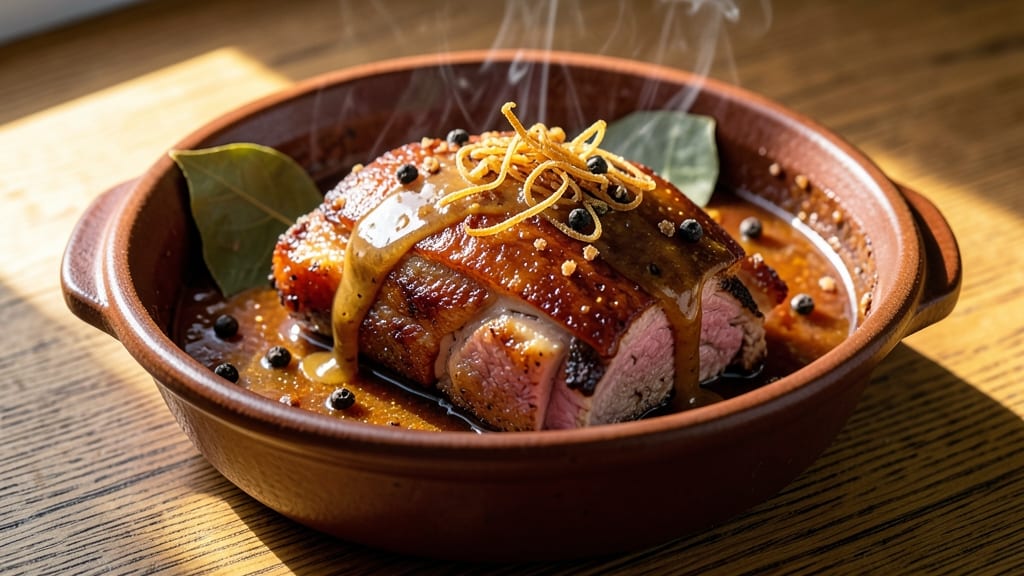
This Cebu pork adobo recipe delivers the crispy edges and deep, tangy flavors that make it a Filipino comfort food classic. I first encountered it during my time in Charleston, where a local Filipino chef taught me how soy sauce and vinegar transform tough pork into melt-in-your-mouth perfection.
The secret lies in the slow braising process, where the meat absorbs the rich, savory-sweet sauce until it's fork-tender with a caramelized crust.
What sets Cebu-style adobo apart is its balance of sweet and sour—achieved through a combination of soy sauce, vinegar, and just a touch of sugar. Unlike other regional adobo recipes, Cebu's version uses black peppercorns and bay leaves for an aromatic depth that elevates every bite.
The pork cooks low and slow, allowing the flavors to meld while developing that signature crispy exterior that contrasts beautifully with the tender meat.
By the time you're done, you'll have a dish that's rich, tangy, and impossibly flavorful—perfect for serving with steamed rice or crusty bread. The sauce reduces to a glossy, sticky glaze that clings to every piece of pork, creating a symphony of textures and flavors in one bite.
This recipe is my go-to when I want restaurant-quality Filipino comfort food at home.
Whether you're feeding a crowd or meal prepping for the week, this adobo scales beautifully while maintaining its depth of flavor. The leftovers taste even better the next day as the flavors continue to develop. Let's get cooking!
Ingredients for cebu pork adobo
Six ingredients transform tough pork into melt-in-your-mouth perfection with crispy edges.
| Ingredient | Amount | Notes |
|---|---|---|
| Pork Shoulder 🥩 | 3 lb | Cut into 2-inch chunks |
| Soy Sauce 🍶 | 1 cup | High-quality, preferably Filipino brand |
| White Vinegar 🍶 | ½ cup | White or cane vinegar |
| Brown Sugar 🍚 | ¼ cup | Packed lightly |
| Black Peppercorns 🌶️ | 1 tbsp | Whole, lightly crushed |
| Bay Leaves 🌿 | 2 whole | Fresh or dried |
| Garlic Cloves 🧄 | 6 cloves | Smashed, not minced |
| Olive Oil 🫒 | 2 tbsp | For crispy edges |
| Water 💧 | 1 cup | For deglazing |
| Salt 🧂 | 1 ½ tsp | Adjust to taste |
| Whole Black Pepper 🌶️ | ½ tsp | Freshly ground |
| Garlic Powder 🧄 | ½ tsp | For extra depth |
| Onion 🧅 | 1 whole | Quartered, for aroma |
The pork shoulder is your secret weapon here—bone-in, skin-on if you can find it, but no worries if you grab the regular cut. Filipino markets or Asian grocery stores often have the best prices, but the regular supermarket works fine. Look for cuts with good marbling—the fat renders down beautifully, adding richness to the sauce. If you're using a pre-cut shoulder, ask the butcher to cut it into 2-inch chunks for even cooking. The soy sauce matters too—Lee Kum Kee or Silver Swan are my go-tos, but any good-quality brand will do. Avoid the cheap stuff with additives.
No black peppercorns? Crushed red pepper flakes at half the amount works, but the peppercorns give that signature Cebu depth. Fresh garlic is ideal, but garlic powder at one-third the amount is a decent swap if you're in a pinch. The vinegar can be swapped for apple cider vinegar, though white vinegar gives that classic tang. Short on brown sugar? White sugar works just as well. The onion is optional but adds a subtle sweetness—skip it if you're in a hurry. For extra crispy edges, pat the pork dry before browning and don't overcrowd the pan. And trust me on the olive oil—it makes all the difference for that caramelized crust.
This dish tastes even better the next day—3-4 days in the fridge, honestly. The sauce thickens up beautifully, so if you're prepping ahead, just reheat gently with a splash of water. Freezes for up to 3 months if you portion it into containers. I like to make a double batch—one for dinner, one for leftovers. The pork stays tender, and the sauce gets more concentrated over time. Store it in an airtight container, and the flavors only deepen. Perfect for meal prep or feeding a crowd!
Why You'll Love This Recipe
- One-Pot Magic: I swear by this—just dump the pork shoulder in a pot, toss in soy sauce and vinegar, and let it simmer. No chopping, no fussing, and the flavors meld into something unforgettable.
- Sweet-Savory Balance: That perfect hit of brown sugar cutting through the tangy vinegar? It’s what makes this dish ridiculously good. The peppercorns add a subtle kick, but the pork stays tender—no dry bites here.
- Meal Prep MVP: Between us, this is my go-to for busy weeks. Cook a big batch, and it tastes even better the next day. Pack it for lunches, serve it over rice, or reheat it straight from the fridge—it’s that reliable.
- Budget-Friendly Feast: Pork shoulder is cheap, and a single pan turns it into a filling, flavor-packed meal. Honestly, I’ve fed four people for under $10 with this, and no one ever complains about leftovers.
Step-by-step instructions for Cebu-style pork adobo
Here's how to achieve that perfect balance of tangy, soy-rich sauce with crispy pork edges.
Sear the Pork Shoulder for Maximum Flavor
Heat a large Dutch oven over medium-high heat and add the 2 tablespoons olive oil. Once shimmering, add the 3 lb pork shoulder cut into 2-inch chunks in a single layer. Let them sear undisturbed for 3-4 minutes until golden brown on one side. This creates a flavorful crust that won't dissolve in the sauce later.
Flip the pork pieces and continue searing until they're browned on all sides, about 8-10 minutes total. You'll notice the pork releases easily when it's ready to flip. Remove the pork from the pot and set it aside on a plate. The goal here is to develop deep, caramelized flavors that will infuse the sauce.
Build the Tangy Sauce Base
In the same Dutch oven, add the 1 whole onion quartered and the 6 cloves smashed garlic. Cook for 2-3 minutes until the onion softens and becomes translucent. This step adds sweetness that balances the acidity later.
Pour in the 1 cup soy sauce and 0.5 cup white vinegar immediately, scraping up all the browned bits from the bottom of the pot. These bits are packed with flavor - don't miss this step! Add the 2 whole bay leaves and 1 cup water, then bring to a simmer over medium heat. The sauce should bubble gently, not vigorously.
Simmer Until Tender with Crispy Edges
Return the pork to the pot, along with the 1.5 teaspoons salt, 0.5 teaspoon whole black pepper, and 0.5 teaspoon garlic powder. Stir gently to combine, then reduce heat to low. Cover partially and simmer for 1 hour 30 minutes to 2 hours, until the pork is fork-tender.
Here's the secret for crispy edges: during the last 30 minutes of cooking, increase heat to medium-high and uncover the pot. This allows the sauce to reduce and caramelize, creating those coveted crispy edges on the pork. You'll know it's ready when the sauce has thickened to a glossy consistency and the pork pulls apart easily.
Finish with Brown Sugar and Peppercorns
Remove the pork from the pot and set aside. In the sauce, add the 0.25 cup packed brown sugar and 1 tablespoon lightly crushed black peppercorns. Stir and simmer for 5-7 minutes until the sugar dissolves and the sauce thickens slightly. The sugar helps balance the acidity while adding subtle sweetness.
Return the pork to the sauce and let it soak for 5 minutes to absorb all those wonderful flavors. The sauce should coat the pork beautifully, with a glossy sheen that indicates proper reduction. Taste and adjust seasoning if needed - you might want to add a splash more vinegar for extra tang or a pinch more salt for balance.
Pro Tips For Making Cebu Pork Adobo
- Brown Sugar First: Toss the pork shoulder in brown sugar before adding vinegar—this caramelizes slightly and creates a sticky, flavorful crust that clings to the meat. I learned this the hard way after serving a batch where the sugar dissolved into the sauce instead of sticking.
- Simmer Low and Slow: Once the pork hits 160°F (71°C), drop the heat to a bare simmer—no boiling. Cebu adobo needs time to tenderize, not steam. I used to rush it, and the meat ended up dry; patience pays off here.
- Vinegar in Stages: Don’t dump all the white vinegar at once—add half first, let it cook off for 10 minutes, then add the rest. This prevents the sauce from turning harsh and sharp. Sounds weird, but it works: the acid mellows out properly.
- Peppercorns Whole: Crush the black peppercorns lightly—just enough to release aroma, not a powder. Over-crushing turns the sauce gritty and bitter. I skip this step sometimes, and the dish still tastes good, but the texture suffers.
Perfect pairings for this recipe
Rice Pairings
Steamed jasmine rice is the classic partner for Cebu pork adobo, soaking up the tangy sauce perfectly. I use 1.5 cups uncooked jasmine rice per serving—it absorbs the sauce without turning mushy.
For extra flair, try garlic fried rice made with leftover adobo pork and day-old rice stir-fried in olive oil with 2 minced garlic cloves and 1 tbsp soy sauce. 🍚
Crusty Bread
A warm baguette or sourdough loaf is essential for mopping up sauce. I like to toast slices until golden and serve them alongside the adobo. For a Filipino touch, try pan de coco—its coconut-infused sweetness contrasts beautifully with the savory pork.
Store-bought versions work fine, but homemade crusts always impress. 🥖
Vegetable Sides
Light, fresh sides balance the richness. Steamed bok choy with a sprinkle of toasted sesame seeds adds crunch, while sautéed green beans with garlic and chili flakes keep things vibrant.
I also love pickled vegetables—thinly sliced daikon radish or carrots in rice vinegar and sugar add a bright, crunchy contrast. 🥬
Drink Pairings
A Filipino beer like San Miguel or Red Horse cuts through the sauce's richness with its crisp, slightly sweet profile. For non-alcoholic options, hibiscus tea (sampalok)—sweetened with 1 tsp sugar—adds a tart, floral note that complements the adobo's tang. A chilled mango juice also works wonderfully. 🍺
Garnishes for Elevation
Finish the dish with toasted garlic slices for extra aroma, or crispy fried shallots for texture. I often sprinkle fresh cilantro or thinly sliced green onions just before serving—both add freshness without overpowering the dish.
For heat lovers, a pinch of crushed red pepper flakes on the table lets guests adjust to their taste. ✨
Nutrition facts
Frequently asked questions
Why does Cebu pork adobo have crispy edges?
The crispy edges come from two key steps: searing the pork first to create a flavorful crust, then uncovering the pot during the last 30 minutes of cooking. This lets the sauce reduce and caramelize beautifully while the pork develops those coveted crispy bits.
Can I use chicken or beef instead of pork?
Chicken thighs work wonderfully—they stay juicy and absorb the sauce well. For beef, use chuck roast cut into 2-inch chunks and add 30-45 minutes extra cooking time. The sauce will adapt to any meat, but pork's natural fat content makes it the traditional choice.
How do I make the sauce less tangy?
Reduce the vinegar to ¼ cup and add 1 extra tablespoon of brown sugar to balance the acidity. For a milder version, you can also substitute half the vinegar with chicken broth. Taste as you go—adjustments are easy with this flexible recipe!
What's the best way to reheat leftovers?
Gently reheat in a skillet over low heat with 1-2 tablespoons of water to prevent drying. For extra crispiness, broil for 2-3 minutes at the end. Leftovers actually improve as the flavors meld further—this dish tastes even better the next day!
Can I make this in a slow cooker?
Yes! Brown the pork first, then transfer everything to the slow cooker and cook on low for 6-8 hours or high for 3-4 hours. For crispy edges, finish by searing the pork in a hot skillet for 2-3 minutes per side before serving. The sauce will be thinner but still delicious!