
Main Courses
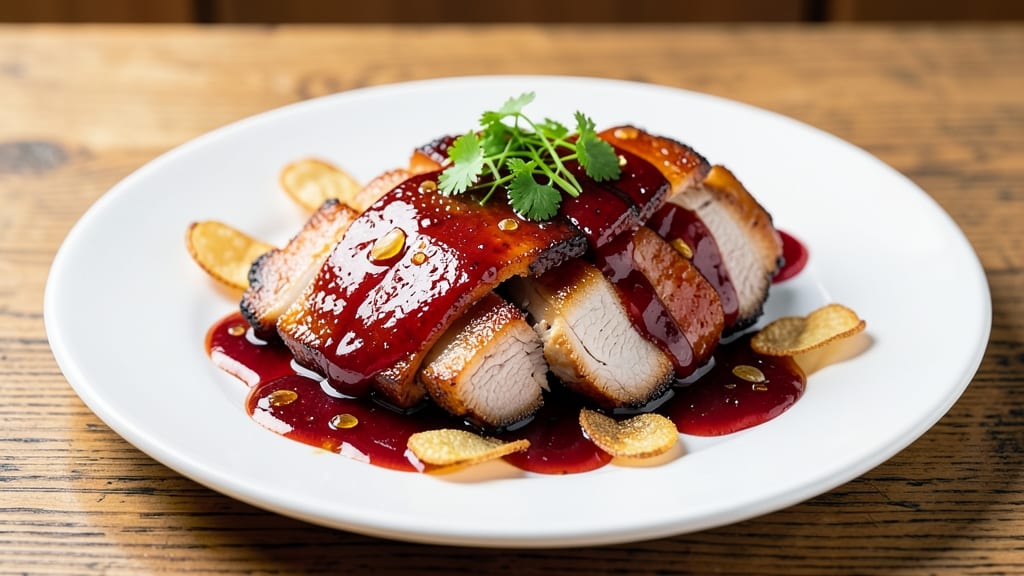
This Japanese thin-sliced pork belly recipe delivers crispy edges and melt-in-your-mouth tenderness in just 20 minutes—no long marinating required. As someone who’s spent years perfecting pork techniques, I’ve simplified the process without sacrificing that signature buttery, caramelized texture that makes it irresistible.
The secret lies in a quick soy-mirin glaze and precise high-heat cooking, ensuring every slice achieves that perfect contrast.
What sets this method apart is the balance of simplicity and technique. Thin slices of pork belly get a fast sear in a hot pan, locking in juices while creating those coveted crispy edges.
The marinade—just soy sauce, mirin, and a touch of sugar—adds depth without overpowering the natural richness of the meat. This approach works for shabu-shabu or as a standalone dish, making it versatile for any meal.
By the time you’re done, you’ll have tender, glossy pork belly with edges that shatter at the slightest touch—a texture that’s impossible to resist. The glaze caramelizes into a sticky, savory crust that clings to each bite, while the interior remains juicy and tender.
This is the kind of dish that transforms a weeknight dinner into something special, all while keeping prep under 30 minutes.
Serve it over steamed rice with a drizzle of ponzu for a classic pairing, or pair it with pickled vegetables for a refreshing contrast. The crispy edges hold up beautifully, making it perfect for sharing. Here’s how to achieve it every time.
Ingredients for japanese thin sliced pork belly
Four key ingredients transform pork belly into crispy, melty perfection in minutes—no fancy techniques required.
| Ingredient | Amount | Notes |
|---|---|---|
| Pork Belly 🥓 | 1 lb | Thinly sliced (1/4-inch thick), skin removed |
| Soy Sauce 🥫 | ¼ cup | Japanese preferred, like Kikkoman |
| Dry White Wine 🍷 | ¼ cup | Sauvignon Blanc or Pinot Grigio |
| Mirin 🍶 | ⅛ cup | Sweet cooking rice wine |
| Granulated Sugar 🍚 | 1 tbsp | White or brown sugar |
| Garlic Cloves 🧄 | 4 cloves | Minced, fresh preferred |
| Fresh Ginger 🌿 | 1 ½ oz | Finely grated, peeled |
| Neutral Oil 🫒 | 2 tbsp | Avocado or vegetable oil |
| Sesame Seeds 🌰 | 1 tbsp | Toasted, for garnish |
| Diamond Crystal Kosher Salt 🧂 | 1 tsp | For seasoning |
| Black Pepper 🌶️ | ½ tsp | Freshly cracked |
| Green Onions 🧅 | 2 whole | Thinly sliced, for garnish |
The pork belly is non-negotiable here. Look for thick-cut, well-marbled belly from the butcher section—Costco or Whole Foods carry excellent options. If you can't find pre-sliced, ask for it to be cut 1/4-inch thick—any thicker and the edges won't crisp properly. The skin should be intact and the fat should look white and firm. Pro tip: Pat it dry with paper towels before slicing to prevent steam from interfering with the sear. For the marinade ingredients, Japanese soy sauce and mirin are worth hunting down at an Asian market—they're the secret to that authentic umami depth.
No mirin? Substitute 1 tbsp honey plus 1 tbsp rice vinegar—it won't be identical, but it'll work in a pinch. Fresh ginger and garlic are ideal, but jarred minced ginger (not paste) works at double the amount. The white wine can be swapped for dry sherry or even apple cider vinegar if you're out. Sesame seeds? Toast them in a dry pan for 30 seconds—they'll smell amazing and add extra crunch. The oil should have a high smoke point (avocado or vegetable oil), but never use olive oil—it'll burn before the pork crisps. And yes, you can use pre-minced garlic if you're in a rush, but fresh is worth the 30-second extra time.
This dish reheats beautifully—store leftovers in an airtight container for up to 3 days in the fridge. The crispy edges soften slightly, but the pork stays tender. For longer storage, freeze portions for up to 3 months. I like to portion it into individual servings before freezing—just reheat in a skillet for 2-3 minutes to restore that crispy texture. The marinade keeps for 1 week in the fridge if you want to prep ahead. And trust me, the leftovers are even better the next day as the flavors meld.
Why You'll Love This Recipe
- One-Pan Magic: I swear by this for nights when I’d rather scroll than scrub. Sear the pork belly slices in a hot pan, toss in the wine and mirin, let it simmer—done. That’s it. No extra dishes, no stress, just sticky-sweet perfection waiting for you.
- Umami Bomb: The moment you slice into that crispy edge and that melt-in-your-mouth center? Chef’s kiss. The soy, mirin, and sugar caramelize into a glossy glaze that clings to every bite—like a tiny, savory hug. Honestly, I’ll take this over takeout any day.
- Leftovers That Beg: This dish actually improves the next day. The flavors deepen, the pork gets even more tender, and I’ve been known to pack it cold in rice bowls for lunch. My kids fight over it—yes, even the picky ones—and I don’t have to cook again.
- Budget Flex: Pork belly might sound fancy, but thin slices stretch far. A single slab feeds four, and the wine and mirin add depth without breaking the bank. I’ll be real: I buy the cheapest dry white I can find, and no one notices. The sugar balances everything, so it’s foolproof.
Step-by-step instructions for Japanese thin-sliced pork belly
Here's how to transform simple pork belly into restaurant-quality crispy slices with tender centers.
Prepare the Pork Belly for Perfect Texture
Pat the 1 lb pork belly slices completely dry with paper towels—this is non-negotiable for crispy edges. The drier the surface, the better the sear. Place the slices in a single layer on a plate and sprinkle evenly with 1 tsp Diamond Crystal kosher salt and 0.5 tsp black pepper. Let them sit at room temperature for 15 minutes while you prep the marinade.
I always give the pork time to come to room temperature before cooking. Cold meat steams instead of searing, and you want that golden crust. While waiting, use a sharp knife to thin any slices that didn't come out perfectly uniform—aim for ¼-inch thickness throughout.
Create the Signature Japanese Marinade
In a medium bowl, whisk together 0.25 cup soy sauce, 0.25 cup dry white wine, 0.125 cup mirin, 1 tbsp granulated sugar, 4 cloves minced garlic, and 1.5 oz finely grated ginger. This marinade is the soul of the dish—sweet, salty, umami-rich, and aromatic. The sugar helps caramelize during cooking, creating that irresistible crust.
Let the marinade sit for 5 minutes to allow the flavors to meld. Then add the pork belly slices and turn to coat completely. For best results, let them marinate for 10-15 minutes—just enough time for the flavors to penetrate without making the meat mushy. If you're short on time, even 5 minutes will work, but the flavor depth suffers slightly.
Sear for Maximum Crispiness
Heat 2 tbsp neutral oil in a large skillet over medium-high heat until shimmering. Add the marinated pork belly in a single layer, leaving space between slices if needed—don't crowd the pan or they'll steam instead of sear. Cook undisturbed for 2-3 minutes until the edges turn deep golden brown and the pork releases easily from the pan.
Here's the thing—you want that first sear to be perfect. If the pork sticks, it's not ready yet. Flip the slices and cook another 1-2 minutes on the second side until golden brown. The pork should be firm to the touch but still slightly jiggly in the center—it'll finish cooking from residual heat.
Finish with Toasted Sesame Seeds
Transfer the crispy pork belly to a plate and let it rest for 2 minutes—this resting period ensures the juices redistribute. While it rests, toast 1 tbsp sesame seeds in the same skillet over medium heat for 30-60 seconds until fragrant and golden. The aroma will make your kitchen smell amazing.
Garnish each serving with the toasted sesame seeds and 2 whole green onions, thinly sliced. Serve immediately over steamed rice or with a simple cucumber salad. The contrast of crispy pork with cool, fresh vegetables is pure perfection. If you can't eat it right away, keep it warm in a 200°F oven for up to 15 minutes—but honestly, it's best fresh off the skillet.
Pro Tips For Making Japanese Thin Sliced Pork Belly
- SEAR IN BATCHES: Thin slices crowd the pan like sardines, and that’s how you end up with soggy pork instead of crispy perfection. Work in two batches—no more than 4 slices at a time—so they hit the skillet with space to breathe and develop that caramelized crust. (Yes, it means an extra minute of waiting, but trust me, the difference is night and day.)
- SALT THE BELLY FIRST: I used to skip this step because it seemed unnecessary, but here’s the deal: A 24-hour salt cure (or even 4 hours in a pinch) keeps the pork tender and prevents it from shrinking like a prune in the pan. Pat it dry afterward—wet slices will steam instead of sear. (Pro move: Use kosher salt, not iodized.)
- DEGLAZE WITH PATIENCE: That browned bit stuck to the pan? Don’t rush the wine and mirin—let it simmer for 30 seconds after adding, so the flavors meld instead of just floating on top. If you’re impatient, you’ll end up with a thin, flavorless sauce. (I know, I know, but it’s worth the wait.)
- SWAP THE SUGAR: Granulated sugar burns faster than you’d think, turning your sauce into a bitter mess. Swap it for honey or brown sugar—it caramelizes more gently and adds depth without the risk of scorching. (Bonus: A drizzle of honey at the end makes the dish look restaurant-worthy.)
Essential equipment for this dish
Skillet Selection
For crispy edges, I swear by a 12-inch cast iron skillet—it retains heat like nothing else and creates that perfect sear. My go-to is a Lodge Pre-Seasoned Cast Iron Skillet because it's heavy enough to handle high heat without warping.
If you don't have cast iron, a stainless steel skillet with a heavy base (like All-Clad) works too, but monitor the heat closely—it won't hold heat as well. Avoid non-stick pans; they won't give you that caramelized crust. 🔥
Heat Control Tools
You'll need a thermometer to monitor your skillet's temperature—aim for 375°F before adding the pork. I use a Thermoworks Thermapen One because it's fast and accurate. A heat-resistant silicone spatula (like OXO Good Grips) helps flip those delicate slices without tearing them.
For extra precision, keep a small bowl of ice water nearby to test doneness—dip a slice for 10 seconds, then check if it's firm but still tender. ⚡
Marinade Mixing
Use a small whisk or fork to combine the marinade ingredients thoroughly. I prefer a glass mixing bowl (like Pyrex) because it lets me see the colors blend perfectly. For measuring, a liquid measuring cup ensures accuracy with the soy sauce and wine.
If you're making extra marinade for leftovers, store it in a small glass jar with a tight lid in the fridge for up to 1 week. 💫
Garnish Essentials
Toast your sesame seeds in the same skillet you cook the pork—it's all about efficiency! Use a small fine-mesh strainer (like Oxo) to store them until ready to garnish.
For green onions, a sharp chef's knife and a cutting board (I love the John Boos Maple) make quick work of thin slicing. Keep a small plate nearby to assemble garnishes before serving—presentation matters just as much as taste. ✨
Nutrition facts
Frequently asked questions
Can I use regular pork belly instead of the thinly sliced version?
The recipe calls for ¼-inch thick slices to achieve that perfect crispy edge and tender center. If you can't find pre-sliced pork belly, ask your butcher to cut it for you—thicker slices won't crisp properly and may end up chewy. For a quick workaround, freeze the pork belly for 30 minutes first, then slice against the grain while frozen for more uniform thickness.
What if I don't have mirin? Can I substitute something else?
Yes! You can substitute 1 tbsp honey plus 1 tbsp rice vinegar for the mirin. The honey adds sweetness while the vinegar mimics mirin's acidity. For a closer match, try 1 tbsp sugar plus 1 tbsp white wine vinegar. The dish will still taste delicious, though the texture might be slightly less glossy.
How do I know when the pork belly is cooked to perfection?
The pork should be deep golden brown on the edges and firm to the touch but still slightly jiggly in the center. It should reach an internal temperature of 145°F when measured with a meat thermometer. If you're unsure, cut into one slice—the center should be pale pink, not translucent or gray. The edges should shatter slightly when pressed with tongs.
Can I make this recipe ahead of time?
The pork belly reheats beautifully. Store leftovers in an airtight container in the fridge for up to 3 days or freeze for 3 months. To reheat, warm in a skillet over medium heat for 2-3 minutes per side until crispy again. The marinade can also be prepped ahead and stored for 1 week in the fridge. Just let everything come to room temperature before cooking for best results.
What's the best way to serve this dish?
This crispy pork belly pairs perfectly with steamed Japanese rice and a drizzle of ponzu sauce. For a refreshing contrast, add a side of quick-pickled vegetables (like cucumbers or radishes) or a simple miso soup. Garnish with extra sesame seeds and sliced green onions right before serving. It also works well in bento boxes or as a topping for udon noodles.