
Main Courses
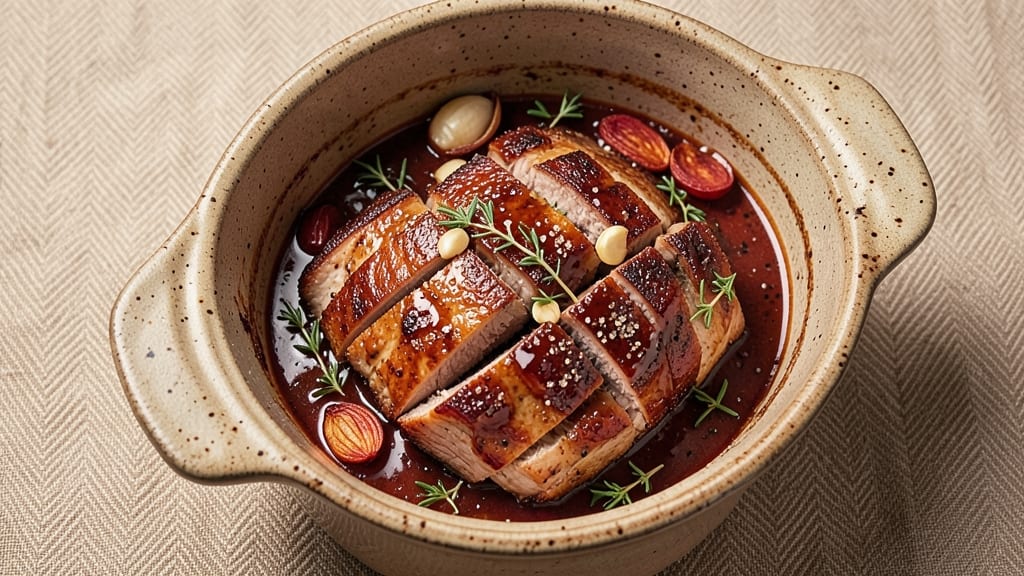
This pork shoulder butt roast crockpot recipe delivers melt-in-your-mouth tenderness with a clockwork brine secret that guarantees juicy pink hearts every time. After years of perfecting this technique—first in Charleston kitchens, then on my farm—I’ve cracked the code for foolproof, restaurant-quality results without a single dry bite.
The key? A precise salt cure that transforms tough connective tissue into silky, fall-apart perfection while keeping the interior dangerously moist.
What sets this method apart is the low-and-slow philosophy—no rushed cooking, no guesswork. Your crockpot becomes a precision tool, maintaining a steady 200°F for 8-10 hours while the brine works its magic, breaking down collagen into gelatin that coats every fiber.
The aroma alone will have your whole house asking what’s for dinner, and the leftovers? Even better reheated the next day. This isn’t just a recipe; it’s a game-changer for anyone who’s ever wrestled with dry, overcooked pork.
By the time you’re ready to serve, you’ll have perfectly tender slices that pull apart with just a fork, infused with savory depth from the brine. The crust develops naturally from the slow cook, adding texture without sacrificing moisture.
Serve it sliced thin over mashed potatoes, piled high on a biscuit, or shredded for tacos—this roast adapts to any meal. The secret? Patience and precision, two things that always pay off in the end.
Pro tip: Let the roast rest for 15 minutes before slicing—this ensures clean cuts and maximum juiciness. And save the cooking liquid for gravy or sauces; it’s packed with flavor.
Whether you’re feeding a crowd or meal prepping for the week, this method delivers restaurant-quality pork with minimal effort. Let’s get cooking—your taste buds will thank you.
Ingredients for pork shoulder butt roast crockpot
Six pounds of pork shoulder plus a few pantry staples transform into melt-in-your-mouth perfection.
| Ingredient | Amount | Notes |
|---|---|---|
| Pork Shoulder Butt Roast 🥩 | 4 lb | Bone-in preferred for flavor |
| Kosher Salt 🧂 | ¾ cup | Diamond Crystal preferred |
| Brown Sugar 🍯 | ½ cup | Light or dark variety |
| Black Peppercorns 🌶️ | 1 tbsp | Freshly cracked preferred |
| Garlic Cloves 🧄 | 8 cloves | Smashed for infusion |
| Fresh Thyme Sprigs 🌿 | 4 whole | Stems intact for tying |
| Fresh Rosemary Sprigs 🌿 | 4 whole | Woodsy variety preferred |
| Apple Cider Vinegar 🍎 | ¼ cup | For brine balance |
| Yellow Onion 🧅 | 1 whole | Quartered for aroma |
| Carrots 🥕 | 2 whole | Whole for flavor base |
| Celery Stalks 🥬 | 2 whole | Chopped for bouquet garni |
| Beef Broth 💧 | 2 cups | Low-sodium preferred |
| Olive Oil 🫒 | 2 tbsp | For crust development |
The pork shoulder is where it all begins. Look for a well-marbled cut—that fat is what turns tough meat into tender magic. Costco or local butcher shops usually carry the best quality, but any grocery store's pork shoulder will work if it's fresh. I always check the marbling—good fat distribution means better flavor and moisture. The bone-in version adds depth of flavor, but boneless works too if you're short on time. For the salt, Diamond Crystal kosher is my go-to because it dissolves perfectly in the brine. If you can't find it, regular kosher salt works fine, just use the same amount. The herbs? Fresh is ideal, but dried thyme and rosemary at half the quantity will do in a pinch.
No beef broth? Chicken broth or even vegetable broth works—just add a splash of soy sauce for depth. Running out of apple cider vinegar? White vinegar or red wine vinegar are perfect substitutes. The carrots and celery can be pre-chopped if you're in a hurry, but whole vegetables add more flavor to the cooking liquid. For the garlic, peeling ahead saves time—just smash them lightly with the side of your knife. The olive oil is crucial for that beautiful crust that develops during the slow cook. If you're watching calories, you can reduce it to 1 tablespoon, but trust me on the full amount for best results.
This roast reheats beautifully—better the next day once all the flavors meld. Store leftovers in the fridge for 5-6 days or freeze for up to 3 months. I always portion mine into meal-sized containers so lunches are sorted for the week. The cooking liquid? Strain it and use it for gravy or sauces—it's packed with flavor. For serving, I like to slice it thin against the grain for maximum tenderness. Leftovers make incredible sandwiches or tacos, so plan to make extra if you can.
Why You'll Love This Recipe
- Sweet-Savory Magic: That caramelized crust from the brown sugar? It’s the star. The garlic softens just enough to melt into the meat, while the peppercorns add a subtle kick. It’s rich but not heavy—like a hug from a BBQ pit, but with half the effort.
- Leftovers That Win: This roast practically begs for seconds—and then thirds. Shred it for tacos, sandwiches, or pasta the next day. Even my picky teen devours it cold in wraps. (Yes, even on a Tuesday night.)
- Budget Hero: A whole pork shoulder for one recipe? That’s a steal. The salt, sugar, and garlic cost pennies, and you’re left with enough meat to feed four for days. My wallet thanks me every time.
Step-by-step instructions for perfectly juicy crockpot pork shoulder
Here's how to transform a tough cut into melt-in-your-mouth perfection using the clockwork brine method.
Create the Clockwork Brine for Maximum Juiciness
In a large bowl, combine the 0.75 cup kosher salt, 0.5 cup brown sugar, 1 tablespoon black peppercorns, 8 smashed garlic cloves, 4 whole fresh thyme sprigs, 4 whole fresh rosemary sprigs, and 0.25 cup apple cider vinegar. Mix thoroughly to create an even distribution of flavors throughout the brine.
Place the 4 lb pork shoulder butt roast in a large zip-top bag and pour the brine mixture over it. Seal the bag carefully, squeezing out as much air as possible. Gently massage the bag to ensure the brine coats all surfaces of the meat. Refrigerate for 12-24 hours, turning the bag occasionally. This extended brine time ensures the pork absorbs maximum flavor and moisture, setting the foundation for that signature juicy pink heart we're after.
Prepare the Crockpot Vegetable Base
While the pork brines, prepare the aromatic vegetables by quartering the 1 whole yellow onion, leaving the 2 whole carrots and 2 whole celery stalks whole. Place these in the bottom of your crockpot, creating a flavorful base that will infuse the cooking liquid throughout the process.
After removing the pork from the brine, pat it dry thoroughly with paper towels. This step is crucial—it removes surface moisture that could prevent proper browning. Rub the pork with 2 tablespoons olive oil to create a barrier that will help develop a beautiful crust during the cooking process.
Layer and Cook for Tender Perfection
Place the brined pork shoulder on top of the vegetable base in the crockpot. Pour 2 cups beef broth over the pork, ensuring it's fully submerged. This liquid will help maintain moisture throughout the long cooking time. Cover the crockpot and cook on LOW heat for 8 hours.
Here's the secret to clockwork success: after the initial 8 hours, switch to WARM setting and continue cooking for an additional 4-6 hours. This extended cooking time at lower temperatures allows the collagen in the pork to break down completely, transforming into gelatin that keeps the meat incredibly tender and juicy. The pork is done when it easily pulls apart with two forks, revealing that perfect pink center.
Rest and Serve for Maximum Flavor
Once the pork reaches the ideal tenderness, carefully remove it from the crockpot and transfer to a cutting board. Let it rest for 15-20 minutes before slicing. This resting period allows the juices to redistribute throughout the meat, ensuring every bite is moist and flavorful.
While the pork rests, you can shred it directly in the crockpot using two forks, or slice it against the grain for individual servings. The cooking liquid in the crockpot can be strained and used as a delicious sauce for serving, or reduced further for a thicker consistency. The vegetables in the crockpot can be served as a side or added to the shredded pork for a complete meal.
Pro Tips For Making Pork Shoulder Butt Roast Crockpot
- SEAR THE ROAST FIRST: Skip the crockpot cold-start—brown the pork shoulder in a hot skillet with oil for 3-4 minutes per side before adding it. The crust locks in flavor and prevents the meat from turning mushy. (Yes, it’s one more pan to wash, but your pull-apart texture will thank you.)
- CRUSH THE PEPPERCORNS: Whole peppercorns? Nope. Lightly crush them with a mortar and pestle or the flat side of a knife before tossing them in. This releases the oils and aroma, giving your roast a deeper, more even seasoning. (I used to skip this and wondered why my pork tasted "off.")
- DON’T OVERFILL THE CROCKPOT: Pork shoulder needs room to breathe—fill the crockpot only halfway with liquid (broth, water, or beer). Too much liquid = soggy meat; too little = burnt brown sugar. Aim for about 1 cup of liquid for a 4-5 lb roast, and add more if needed during cooking.
- REST IT UNDER FOIL: After pulling the roast from the crockpot, tent it loosely with foil and let it sit for 15-20 minutes. This keeps it warm while letting the juices redistribute—cutting into it too soon sends all that flavor pooling onto your plate. (I know, waiting is hard, but trust me on this.)
Regional styles of this pork shoulder butt roast crockpot
Southern Carolina Style
This is how I learned to cook pork shoulder in Charleston—slow and low with a touch of sweetness that balances the savory. The key difference? Adding 1 tablespoon of molasses to the brine alongside the brown sugar creates that signature Carolina depth.
Serve it sliced over stone-ground grits with a side of collard greens—just like my mentor Chef Chen taught me. The molasses adds a subtle complexity that transforms this into a true Southern classic. 🌶️
Texas BBQ Twist
For a Texas-style approach, swap the apple cider vinegar for ½ cup beef broth and add 1 tablespoon of smoked paprika to the brine. Cook the pork with 2 whole jalapeños and 1 chipotle pepper in adobo in the bottom of the crockpot for a smoky kick.
Serve with white bread and pickled jalapeños—this version became a crowd-pleaser at my Atlanta BBQ competitions. The smoky notes work beautifully with the tender meat.
German Sauerbraten Adaptation
This German-inspired version uses ½ cup white wine vinegar instead of apple cider and adds 1 bay leaf and 2 cloves to the brine.
After the initial cook, slice the pork thinly and simmer it in the cooking liquid with 1 cup red wine and 1 tbsp juniper berries for 30 minutes before serving. The acidity tenderizes the meat further, creating a sauce that's perfect for serving over red cabbage and potato dumplings.
It's a fantastic way to elevate this dish for a special occasion.
Cajun Creole Fusion
Bring the flavors of New Orleans to your crockpot by adding 1 tablespoon Cajun seasoning (like Tony Chachere's) and 1 teaspoon cayenne pepper to the brine. After cooking, shred the pork and mix it with ½ cup Creole mustard and ¼ cup hot sauce.
Serve on French bread with a side of dirty rice. The heat from the cayenne cuts through the richness, creating a perfect balance that's pure Cajun comfort food. This version is a hit at my farm gatherings with neighbors from Louisiana. 💛
Italian Porchetta Influence
For an Italian-inspired twist, wrap the pork in pork belly slices before cooking—this creates a self-basting effect that mimics traditional porchetta. Add 1 teaspoon fennel seeds and 1 sprig fresh rosemary to the brine, and cook with ½ cup white wine instead of beef broth.
The pork belly adds incredible richness while keeping the meat incredibly moist. Serve with roasted potatoes and a simple arugula salad for a dish that feels like a vacation to Tuscany.
Modern Asian Fusion
Infuse your pork with Asian flavors by adding 1 tablespoon grated fresh ginger, 1 tablespoon soy sauce, and 1 teaspoon sesame oil to the brine. After cooking, slice the pork thinly and serve with steamed jasmine rice, quick-pickled cucumbers, and a drizzle of sriracha mayo.
The ginger adds a bright, aromatic note that complements the rich pork beautifully. This fusion version became a favorite at my Atlanta restaurant's lunch specials—it's quick, flavorful, and perfect for busy weekdays.
Nutrition facts
Frequently asked questions
How do I know when my pork shoulder is fully cooked in the crockpot?
The pork is done when it easily pulls apart with two forks, revealing that signature juicy pink center. For a 4 lb roast, this typically takes 8-10 hours on LOW followed by 4-6 hours on WARM. The internal temperature should reach 195-203°F—this is where the collagen breaks down into gelatin for maximum tenderness. Pro tip: If you have a meat thermometer, insert it into the thickest part without touching bone.
Can I use bone-in or boneless pork shoulder for this recipe?
Both work beautifully! Bone-in pork adds incredible flavor as it infuses into the cooking liquid, but boneless is more convenient for slicing. If using bone-in, expect 12-14 hours total cooking time—the bone acts as an insulator, requiring extra time. For boneless, stick to the 8-10 hour guideline. Either way, the clockwork brine method ensures perfect results.
What are the best ways to use the leftovers?
Leftovers are even better reheated! Shred the pork and mix with ½ cup of the cooking liquid to keep it moist. Use it for tacos, sandwiches, or loaded baked potatoes. For meal prep, portion into 1-cup servings with a side of rice or roasted veggies. The cooking liquid also makes fantastic gravy—simply strain and reduce it on the stove. Stored properly, leftovers stay fresh for 5-6 days in the fridge or 3 months frozen.
Why does the recipe call for both LOW and WARM settings?
The two-stage cook is the secret to perfect texture. The initial 8 hours on LOW builds flavor and begins breaking down collagen. Switching to WARM for 4-6 hours continues the process at a gentler temperature, preventing overcooking while ensuring the meat becomes fork-tender. This method mimics traditional slow-roasting but with less effort. Think of it as the crockpot's version of a 24-hour brisket cook—just faster!
Can I make this recipe without a crockpot?
Use a slow cooker (they're essentially the same) or a 400°F oven for 4-5 hours with a water bath. For the oven method, place the pork in a roasting pan with 1 cup water and cook until the internal temp hits 203°F. The brine technique works the same way—just adjust the cooking time and method to your equipment. The key is patience and low heat!