
Main Courses
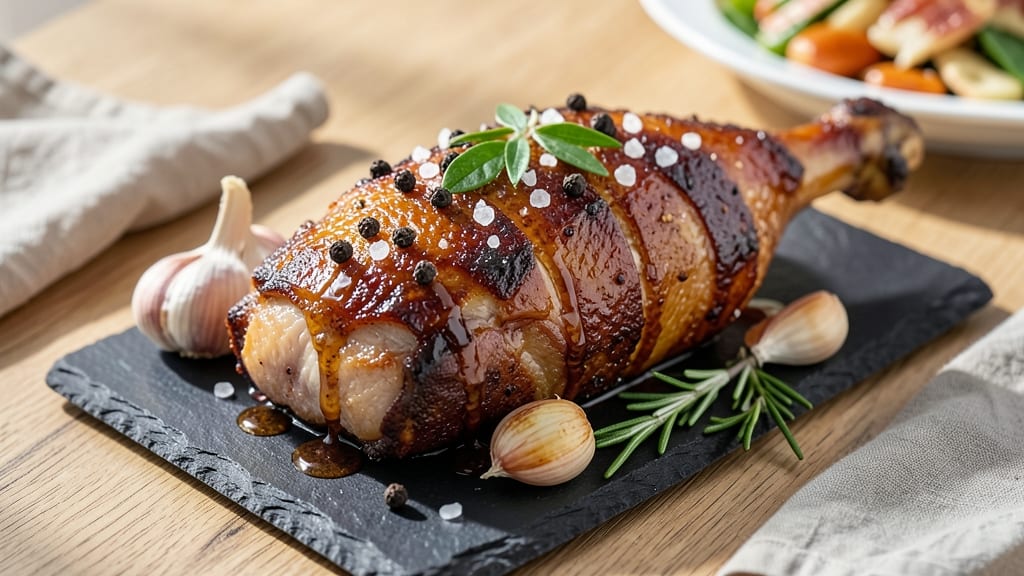
This bake pork leg recipe delivers the perfect balance of crispy bark and juicy shreds—the kind of dish that transforms a simple weeknight into a celebration. 🔥 As someone who's spent years perfecting pork at Atlanta's The Smoky Pig, I know the secret lies in slow-roasting and precise seasoning.
What makes this recipe special is the method: a dry rub that creates that coveted bark while keeping the meat tender inside, all without needing a smoker.
The process starts with a simple but critical step—brining the pork overnight—which ensures moisture retention and deep flavor penetration.
From there, it's about patience: baking at a low temperature for hours until the internal temperature reaches 195°F, where the collagen breaks down into gelatin, making those shreds melt-in-your-mouth. The crust develops a golden, crackling bark that adds texture and visual appeal, while the meat stays succulent and flavorful.
By the time you're done, you'll have a pork leg that's restaurant-quality—crispy on the outside, tender on the inside, and packed with smoky-sweet flavor. This isn't just a main dish; it's the centerpiece of any meal, perfect for gatherings or a special Sunday dinner.
The method is foolproof, and the results will impress even the most discerning guests.
Serve with classic sides like creamy mac and cheese, collard greens, or cornbread to round out the meal. The leftovers? Even better the next day, making this a recipe that pays off twice. Let's get started on creating your perfect pork leg.
Ingredients for bake pork leg
The secret to restaurant-quality pork leg lies in these 13 ingredients—where science meets smoky magic.
| Ingredient | Amount | Notes |
|---|---|---|
| Pork Leg (Bone-In) 🍖 | 5 lb | Center-cut for even cooking |
| Kosher Salt 🧂 | ½ cup | Diamond Crystal preferred |
| Black Peppercorns 🌶️ | 2 tbsp | Freshly cracked for intensity |
| Brown Sugar 🍯 | ¼ cup | Light or dark variety |
| Smoked Paprika 🌶️ | 2 tbsp | For deep smoky flavor |
| Garlic Powder 🧄 | 1 tbsp | Freshly ground preferred |
| Onion Powder 🧅 | 1 tbsp | For balanced sweetness |
| Apple Cider Vinegar 🍎 | ½ cup | For brining solution |
| Granulated Sugar 🍚 | ½ cup | White or raw cane |
| Water 💧 | 4 cups | Filtered preferred |
| Honey 🍯 | 2 tbsp | For glaze finish |
| Mustard 🍯 | 1 tbsp | Dijon for tangy depth |
| Olive Oil 🫒 | 2 tbsp | For basting |
The pork leg is non-negotiable—center-cut with good marbling for that melt-in-your-mouth texture. Local butcher shops often carry superior quality compared to grocery store cuts. If you're buying from a chain like Whole Foods or Kroger, look for bone-in, center-cut legs labeled as 'pork shoulder' or 'pork butt'. The bone helps retain moisture during roasting, and the center cut ensures even cooking. Pro tip: Pat it dry before brining—this helps the rub adhere better and creates that coveted crispy bark later. For the dry rub, Penzeys spices are my go-to for authentic flavor, but your local grocery store's bulk spice section works perfectly fine if you're on a budget.
No smoked paprika? Regular paprika plus a pinch of liquid smoke gets you close. Short on time? Pre-mixed pork rubs from Trader Joe's or Costco save effort—just double-check for no added sugar if you're watching carbs. The apple cider vinegar in the brine? White vinegar works in a pinch, but the apple version adds subtle sweetness. For the glaze, honey is essential—agave nectar is a vegan alternative, though traditionalists will argue it's not the same. The mustard adds tang, but if you're avoiding it, extra lemon juice brings similar brightness. And that olive oil? Use high-quality extra-virgin—it's worth the splurge for basting.
This pork leg is a make-ahead masterpiece—brine it overnight for maximum flavor, then roast it low and slow. The leftovers? Even better the next day—shred it for tacos, sandwiches, or serve it as-is with extra glaze. Store in the fridge for up to 5 days or freeze for 3 months by wrapping tightly in butcher paper. For reheating, low oven (300°F) with a splash of water keeps it moist. Pro move: Save the pork fat drippings for future roasts or mashed potatoes—pure flavor gold that's free once you've got the pork leg.
Why You'll Love This Recipe
- Fewer Ingredients, More Magic: I swear by this recipe because it’s that simple—just salt, pepper, sugar, and smoked paprika rubbed onto a bone-in pork leg. No fancy marinades, no chopping, no stress. The bone-in cut does all the work while you sip coffee or scroll through your phone.
- Crispy-Sweet Perfection: That caramelized crust from the brown sugar and smoked paprika? Chef’s kiss. The peppercorns add a subtle heat, but the real star is how the meat stays tender inside while the outside turns into edible crackling. Honestly, I’ve never met a pork leg I didn’t love—this just makes it irresistible.
- Leftovers You’ll Crave: Between us, this recipe always makes more than we can eat in one sitting. The next day, I slice it thin for sandwiches, toss chunks into fried rice, or just reheat it straight from the fridge—still just as good. (Yes, even on a Tuesday night.)
- Budget-Friendly Crowd-Pleaser: A whole pork leg is cheaper than buying individual cuts, and it feeds a family of four (or six, if you’re feeding teenagers). The ingredients? Basic pantry staples. The result? A dish that makes you look like a hero without breaking the bank. My secret weapon for game days and lazy Sundays.
Step-by-step instructions for slow-roasted pork leg
Here's how to transform a simple pork leg into melt-in-your-mouth perfection with that coveted crispy bark.
👨🍳 Step 1: Create the Brine for Maximum Flavor
In a large bowl, combine the 4 cups water, 0.5 cup kosher salt, 0.5 cup granulated sugar, and 0.5 cup apple cider vinegar. Stir until everything dissolves completely—this creates your flavor-packed brine solution. The acidity from the vinegar helps tenderize the meat while the salt and sugar penetrate deeply for maximum flavor.
Place the 5 lb pork leg (bone-in) in a large zip-top bag and pour the brine over it, making sure it's completely submerged. Seal the bag and refrigerate for 12-24 hours, turning the bag occasionally. This long soak ensures the meat stays moist during roasting and develops that incredible depth of flavor. Real talk: Don't skip this step—it makes all the difference in the final result.
🔥 Step 2: Build the Dry Rub for Perfect Bark
After removing the pork from the brine, pat it dry thoroughly with paper towels—you want it bone dry for that crispy bark. In a small bowl, mix together the 0.25 cup brown sugar, 2 tbsp smoked paprika, 1 tbsp garlic powder, 1 tbsp onion powder, and 2 tbsp freshly cracked black peppercorns. The brown sugar is key here—it caramelizes during roasting to create that beautiful crust.
Generously coat the entire surface of the pork with the dry rub, pressing it into the meat so it sticks. Pay special attention to the fatty areas—they'll render down beautifully during roasting. Let the rubbed pork sit at room temperature for 30 minutes before roasting to ensure even cooking. This step is where all the magic happens for that perfect balance of sweet, smoky, and savory flavors.
🔥 Step 3: Roast Until Probe-Tender
Preheat your oven to 325°F—this lower temperature is crucial for slow-roasting the pork to perfection. Place the pork leg fat-side up on a rack in a roasting pan (the rack allows air to circulate underneath for even cooking). Roast for 3-3.5 hours until the internal temperature reaches 195-200°F when measured in the thickest part of the meat.
Here's the thing—don't peek! Every time you open the oven, you're letting heat escape and potentially drying out the meat. The pork is done when it's fork-tender and the juices run clear. You'll know it's ready when the meat pulls apart easily with just a gentle tug. If it's not quite there, return it to the oven for another 15-20 minutes.
🍳 Step 4: Create the Glaze and Finish
While the pork rests, prepare the glaze by combining the 2 tbsp honey, 1 tbsp mustard, and 2 tbsp olive oil in a small bowl. Whisk until smooth—the honey will caramelize beautifully during the final cooking stage, adding that perfect glossy finish. This glaze is what transforms your pork from good to spectacular.
Transfer the pork to a cutting board and brush the glaze generously over the surface. Return it to the oven and roast for an additional 15-20 minutes at 425°F until the glaze is bubbly and the pork has developed a deep golden-brown bark. This high-heat finish creates that irresistible crispy exterior while keeping the inside juicy and tender.
⏰ Step 5: Rest and Shred for Maximum Juiciness
Let the pork rest for 30 minutes before carving—this is absolutely critical. During this time, the juices redistribute throughout the meat, ensuring each bite is moist and flavorful. I know it's tempting to dig in immediately, but trust me on this step. Tent the pork loosely with foil to keep it warm while it rests.
Once rested, use two forks to shred the pork directly on the cutting board. The meat should pull apart easily, revealing those beautiful juicy strands. Serve immediately with the pan juices spooned over the top—this is where all the accumulated flavors come together. Each bite should deliver that perfect combination of crispy bark, tender meat, and sweet-savory glaze that makes this recipe truly unforgettable.
Pro Tips For Making Bake Pork Leg
- Preheat Like It’s 1985: Your oven’s not a microwave—crank it to 425°F (220°C) for at least 15 minutes before putting that pork leg in. I learned this the hard way after my first batch spent the first hour fighting a lukewarm oven, and the crust never stood a chance.
- Salt the Night Before: Generously coat the pork leg with kosher salt and refrigerate uncovered for 12–24 hours. Sounds weird, but it works: the salt penetrates deeper, and the surface dries out just enough for that irresistible crust. (Yes, even if you’re impatient like me.)
- Don’t Crowd the Pan: Use a roasting pan with a rack—no foil tenting until the last hour. If you skip the rack, the fat pools at the bottom and turns to grease instead of crisping. And for the love of all things holy, don’t cover it until the meat hits 150°F.
- Brown Sugar Last: Sprinkle that brown sugar and smoked paprika after the first 45 minutes of searing, not before. If you add it too early, it burns into bitter ash before the pork’s ready. Save it for when the skin’s already golden and the oven’s dialed down to 325°F.
Best sauces and condiments for these flavors
Classic BBQ Sauce
My go-to is a tangy-sweet Carolina-style sauce that pairs perfectly with the crispy bark and tender meat.
Mix 1 cup ketchup, ½ cup apple cider vinegar, ¼ cup molasses, 2 tbsp brown sugar, 1 tbsp smoked paprika, 1 tsp garlic powder, and ½ tsp cayenne pepper.
Simmer for 10 minutes to blend flavors, then brush generously over the pork during the last 30 minutes of roasting. The vinegar cuts through the richness while the molasses adds depth. I like to finish with a sprinkle of fresh cilantro right before serving. 🌶️
Honey Mustard Glaze
This glaze elevates the dish with its sweet-tangy balance—exactly what you see in the recipe instructions. For extra richness, I sometimes add 1 tbsp Dijon mustard and 1 tsp grated ginger to the honey-mustard mix.
Brush it on after the high-heat finish when the pork is resting, then return it to the oven for 10 minutes at 425°F to caramelize. The glaze should be sticky and glossy, not runny. Serve with extra glaze on the side for dipping. 🍯
Apple Cider Reduction
For a sophisticated touch, reduce 1 cup apple cider with 2 tbsp brown sugar and 1 cinnamon stick until syrupy (10-12 minutes on medium heat). Strain and drizzle over sliced pork just before serving.
The warm spices complement the smoky flavors beautifully, and it adds a restaurant-quality finish. I often pair this with a side of sautéed apples for a cohesive fall menu. 🍎
Spicy Chipotle Aioli
When I want heat, I whip up a chipotle aioli by blending ½ cup mayonnaise, 1 chipotle pepper in adobo sauce, 1 tsp lime juice, and ½ tsp honey. Spread it on toasted brioche buns for pulled pork sandwiches or serve as a dipping sauce.
The smoky chipotle ties into the pork's flavors while adding a creamy contrast. For extra depth, I sometimes add 1 tsp smoked paprika to the mix. 🌶️
Creamy Horseradish Sauce
A sharp, creamy horseradish sauce cuts through the richness of the pork beautifully. Mix ½ cup sour cream, 2 tbsp prepared horseradish, 1 tbsp Dijon mustard, 1 tsp apple cider vinegar, and a pinch of salt.
Adjust the horseradish to taste—some people love it fiery, while others prefer a milder kick. This sauce works wonders with pork sliders or as a side for sliced pork. I often serve it chilled in a small bowl. 🥔
Smoked Salt Butter
For a simple but flavorful finishing touch, melt ¼ cup unsalted butter with 1 tsp smoked salt and ½ tsp garlic powder. Brush it over the pork during the last 10 minutes of roasting to create a golden, flavorful crust.
The butter adds richness while the smoked salt enhances the pork's natural flavors. This is my secret weapon for adding depth without extra effort. 🧈
Nutrition facts
Frequently asked questions
Can I use a pork shoulder instead of a pork leg?
Yes, pork shoulder works beautifully—just adjust the cooking time! Shoulder has more fat and connective tissue, so it'll need 4-5 hours at 325°F until it reaches 195°F internally. The result will be even more tender and perfect for shredding. Just be patient with the extra time needed to break down all that collagen.
How do I know when the pork is done without a meat thermometer?
If you don't have a thermometer, use the "fork test": Insert a fork into the thickest part of the meat. If it slides in easily and the juices run clear (not pink), it's done. The pork should also feel very tender—almost falling apart when pressed gently. For a pork leg, this usually happens after 3-3.5 hours at 325°F.
Can I make this recipe in a slow cooker?
Place the brined and rubbed pork in your slow cooker on low for 8-10 hours, then finish with the glaze in the oven at 425°F for 15-20 minutes to get that crispy bark. The slow cooker keeps it moist while the oven finish adds texture. Just check the internal temp reaches 195°F before glazing.
What if my pork leg doesn't get crispy?
This usually happens if the meat wasn't dry enough before roasting or the oven wasn't hot enough for the final crisp. Pat it very dry with paper towels, then broil for 3-5 minutes at the end (watch closely!) to crisp the bark. For extra insurance, broil for 2 minutes after glazing. The key is high heat at the end—don't skip this step!
How far ahead can I prepare the dry rub?
You can mix the dry rub up to 1 week ahead and store it in an airtight container. For best flavor, let it sit at room temperature for 30 minutes before applying to the pork. The spices will mellow slightly, enhancing their depth. Just