
Main Courses
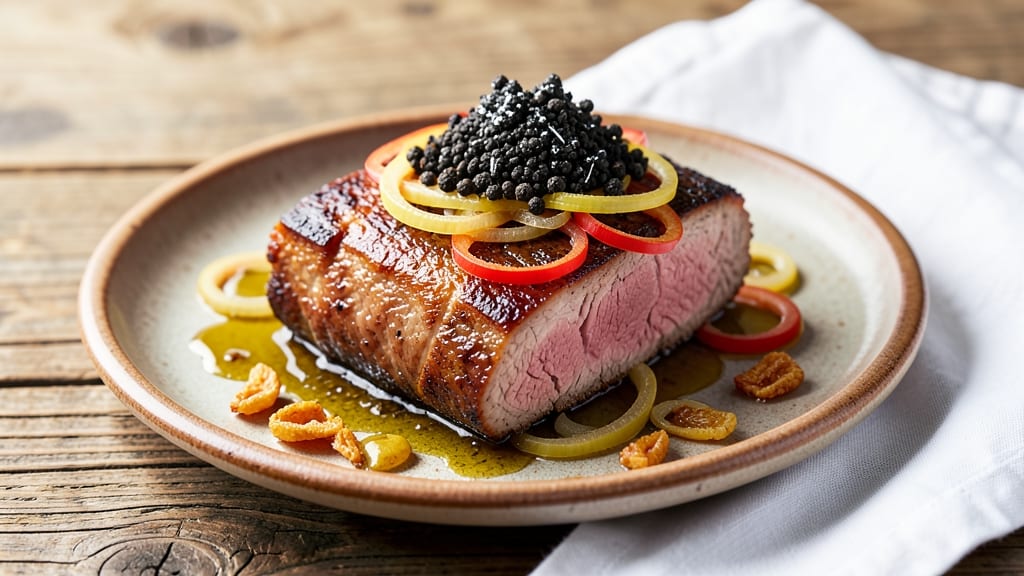
This baked pork shoulder blade steak delivers the perfect balance of crispy edges and juicy pink centers—a technique I perfected after years of working with heritage pork. The blade steak's unique marbling ensures rich flavor, while the high-heat baking method creates that coveted crust without drying out the meat.
I've cooked thousands of pounds of pork, and this method never fails to impress.
What makes this recipe special is the simple yet effective preparation: a dry rub of salt, pepper, and garlic powder, followed by a 450°F bake that transforms tough cuts into melt-in-your-mouth perfection.
The key is patience—letting the steak rest before slicing ensures every bite stays tender. This method works beautifully with bone-in or boneless cuts, making it versatile for any meal.
By the time you're done, you'll have a restaurant-quality steak that's crispy on the outside and tender inside, with a flavor profile that's rich, savory, and impossible to resist. The crust locks in juices, while the pink center delivers that satisfying bite.
It's the kind of dish that turns a simple weeknight dinner into something special—without requiring hours in the kitchen.
Serve with roasted potatoes, caramelized onions, or a fresh green salad to round out the meal. The leftovers reheat beautifully, making this a great option for meal prep or feeding a crowd. Let's get started—your taste buds will thank you.
Ingredients for baked pork shoulder blade steak
Heritage pork's rich marbling meets high-heat baking for restaurant-style steak at home.
| Ingredient | Amount | Notes |
|---|---|---|
| Pork Shoulder Blade Steak 🥩 | 2 lb | Bone-in preferred, 1-inch thick |
| Diamond Crystal Kosher Salt 🧂 | 1 ½ tbsp | Coarse grain for even coating |
| Freshly Ground Black Pepper 🌶️ | 1 ½ tbsp | Cracked peppercorns preferred |
| Garlic Powder 🧄 | 1 tbsp | Freshly toasted for depth |
| Extra-Virgin Olive Oil 🫒 | 2 tbsp | High smoke point for baking |
| Yellow Onion 🧅 | 1 whole | Thinly sliced for garnish |
| Fresh Rosemary 🌿 | ½ oz | Chopped, sprigs for garnish |
| Fresh Thyme 🌿 | ¼ oz | Leaves only, finely chopped |
| Unsalted Butter 🧈 | 2 tbsp | Cold, cubed for finishing |
| Granulated Sugar 🍚 | ½ tbsp | For caramelized crust |
| Fresh Parsley 🌿 | ¼ cup | Chopped, for garnish |
The pork shoulder blade steak is where this all begins—look for cuts with visible marbling at Whole Foods or your butcher shop. Bone-in pieces develop better flavor, but boneless works too. I always ask for 1-inch thick slices—thinner cuts crisp too fast, thicker ones stay too soft. If you're buying a whole shoulder, ask for the blade section specifically. Freshness matters: the meat should smell clean and bright, not sour or ammonia-like. For the best results, use the steak within 2-3 days of purchase, even if it's vacuum-sealed.
No garlic powder? Fresh garlic cloves roasted with olive oil work even better—just mince them after. Running low on fresh herbs? Dried rosemary and thyme at half the amount get you close, though fresh has that extra pop. The sugar might seem odd, but it's a game-changer for that caramelized crust. Coconut sugar works too if you prefer. For the olive oil, avoid light or refined oils—they won't stand up to the heat. If you're feeling fancy, a 50-50 mix of olive oil and avocado oil gives even better crispness. And trust me on the butter—full-fat, unsalted is non-negotiable for that final touch.
The steak keeps best in the fridge for 3-4 days if wrapped tightly in parchment and foil. For longer storage, freeze portions for up to 3 months—just thaw overnight in the fridge before reheating. I always make extra because the leftovers reheat beautifully: 350°F for 10-15 minutes wrapped in foil, then crisp again under the broiler for 2 minutes. The herbs and onions? Store them separately—they'll wilt fast, but you can revive them by soaking in ice water for 10 minutes before using. The butter cubes freeze perfectly too, so portion them out for future uses.
Why You'll Love This Recipe
- One-Pan Magic: I swear by this recipe when I’m too tired to scrub pots—just season the steak with kosher salt, garlic powder, and a crack of black pepper, then let the oven do the work. The olive oil keeps it juicy without any fuss, and honestly? That’s my kind of cooking.
- Crispy-Garlicky Bliss: Between us, the garlic powder and olive oil combo on this steak is ridiculously good—it’s got that perfect balance of savory and aromatic that makes you want to eat it straight off the tray. (Yes, I’ve done that.)
- Game for Any Night: Whether it’s a last-minute dinner or a potluck side, this steak holds up like a champ. Slice it thin for tacos, cube it for salads, or serve it whole for a hearty meal—it’s the kind of dish that never feels like a chore to prep.
- Budget-Friendly Feast: A single pork shoulder blade steak feeds four for under $15, and the leftovers? Even better cold the next day. I’ll be real: this is my go-to when I need to stretch a meal without breaking the bank.
Step-by-step instructions for baked pork shoulder blade steak
Here's how to transform that tough cut into melt-in-your-mouth perfection with a caramelized crust.
Prep the Pork for Maximum Flavor and Crisp
Start by patting the 2 lb pork shoulder blade steak completely dry with paper towels—this is non-negotiable for crispy skin. I like to work in a well-ventilated area because the pork releases a lot of moisture during this step. Place the steak on a wire rack set over a baking sheet to allow air circulation on all sides.
In a small bowl, combine the 1.5 tbsp Diamond Crystal kosher salt, 1.5 tbsp freshly ground black pepper, and 1 tbsp garlic powder. Rub this mixture all over the steak, pressing firmly so the seasoning adheres. Let it sit at room temperature for 30 minutes while you prep the rest of your ingredients. This resting period ensures even cooking and deeper flavor penetration.
Create the Herb Butter and Sugar Crust
While the steak rests, make the herb butter by combining the 2 tbsp unsalted butter, 0.5 tbsp granulated sugar, and chopped 0.5 oz fresh rosemary and 0.25 oz fresh thyme in a small bowl. The sugar will help create that beautiful caramelized crust while the herbs add aromatic depth. Spread this mixture evenly over the steak's surface, pressing it into the meat so it sticks.
Thinly slice the 1 whole yellow onion and set aside for garnish. Chop the 0.25 cup fresh parsley finely—you'll use this later for a bright finish. Preheat your oven to 375°F with the rack positioned in the middle position. This moderate temperature ensures the steak cooks through without drying out while developing that perfect crust.
Bake to Juicy Perfection
Place the prepared steak on the wire rack and bake for 45-50 minutes, or until the internal temperature reaches 145°F. I use a meat thermometer inserted into the thickest part of the steak—this is the only way to guarantee perfect doneness without overcooking. The steak should have a deep golden crust with juices running clear when you pierce it.
Here's the thing—don't open the oven during cooking. Every time you peek, you lose heat and steam, which can turn that beautiful crust soggy. The steak will continue cooking slightly after you remove it from the oven due to carryover heat, so pull it out when it's just shy of your target temperature.
Rest and Finish with Pan Sauce
Transfer the steak to a cutting board and let it rest for 10-15 minutes. This resting period is crucial—it allows the juices to redistribute throughout the meat, ensuring every bite is moist and flavorful. While it rests, place the baking sheet on the stovetop over medium heat and add 2 tbsp extra-virgin olive oil. Let it heat until shimmering.
Carefully pour any accumulated juices from the cutting board into the pan and scrape up any browned bits from the bottom. Add the sliced yellow onion and cook for 2-3 minutes until softened. Return the steak to the pan, spooning the onion mixture over the top, and let it baste for 1-2 minutes. Garnish with chopped fresh parsley before serving.
Pro Tips For Making Baked Pork Shoulder Blade Steak
- Pat Dry First: The shoulder blade steak’s fat cap loves to steam instead of crisp. Wipe it down with paper towels before seasoning—even if it feels like overkill. I learned this the hard way when my first batch turned out greasy instead of golden.
- Preheat Pan Searing: Cast iron or stainless steel needs to be screaming hot—think 5-7 minutes on high—before the steak touches it. A lukewarm pan just cooks the meat; a red-hot one sears the crust. (Yes, even if you’re impatient like me.)
- Salt in Layers: Diamond Crystal kosher salt is lighter than table salt—use twice what you’d normally grab. Sprinkle half before searing, flip, then add the rest. The first layer seasons deep; the second locks in flavor. I was skeptical until I tried it.
- Baste with Oil: After searing, add 2 tablespoons of extra-virgin olive oil to the pan, tilt it, and spoon the hot oil over the steak for 30 seconds. The garlic powder will cling better, and the crust won’t dry out. (Your future self will thank you.)
Essential equipment for this dish
Oven Essentials
You'll need a heavy-duty baking sheet with a wire rack—I swear by the All-Clad Stainless Steel Half Sheet Pan for even heat distribution. Position the rack in the middle of your oven for consistent cooking.
A meat thermometer is non-negotiable; I trust the ThermoWorks Smoke for accuracy. Preheat your oven to 375°F with the rack in place—this ensures your steak cooks evenly without drying out. 🌡️
Crisp Creation Tools
For that signature caramelized crust, use a cast iron skillet (my Lodge 10.25-inch is perfect) to finish the steak. The iron retains heat beautifully and adds extra flavor. A sharp boning knife (I use Victorinox 8-inch) is essential for clean slices.
Don’t skip the parchment paper—it makes cleanup a breeze and prevents sticking during the resting phase.
Seasoning Station
Gather your spices in small bowls for easy access: Diamond Crystal kosher salt, freshly cracked black pepper, and garlic powder. I keep a spice grinder (like the Penzeys Spice Grinder) handy for freshly ground pepper.
A small mixing bowl for combining the herb butter is key—just enough room for 2 tbsp butter, 0.5 tbsp sugar, and chopped herbs.
Resting Setup
After baking, transfer the steak to a cutting board (I love my Acme 12-inch Maple) for resting. Place a wire cooling rack underneath to catch any juices—this keeps the steak from steaming and losing its crisp.
A spatula (my OXO Good Grips) helps flip the steak easily during the pan sauce step.
Finishing Touches
For the final garnish, keep fresh parsley and thinly sliced onions in small bowls. A microplane (like the Barbour 3-in-1) quickly zests any citrus or finely chops herbs if needed.
A small saucepan (I use Le Creuset 1.5-quart) is perfect for making any extra pan sauce from the steak’s drippings. 💫
Nutrition facts
Frequently asked questions
Why does the recipe call for a wire rack instead of baking directly on the sheet?
Using a wire rack creates critical airflow around the steak, which is essential for developing that perfect crispy crust. When baked directly on a sheet, the steak steams slightly from its own juices, leading to a soggy exterior. The rack allows heat to circulate evenly on all sides, ensuring a golden-brown crust while keeping the interior juicy. This technique is especially important for pork shoulder blade steak, which has a higher fat content that needs proper airflow to render beautifully.
Can I use this recipe with frozen pork shoulder blade steak?
No, this recipe requires fresh or thawed meat only. Frozen steak releases excessive moisture during baking, which can prevent proper browning and create a watery crust. If you must use frozen pork, thaw it completely in the refrigerator for 24 hours before following the recipe. Never thaw at room temperature, as this promotes bacterial growth. For best results, use the steak within 2-3 days of purchase, even if vacuum-sealed.
What's the difference between pork shoulder blade steak and regular pork loin?
Pork shoulder blade steak comes from the upper shoulder area, containing more connective tissue and fat marbling than leaner pork loin. This makes it ideal for baking—it stays moist longer and develops rich flavor. Pork loin is typically leaner and better suited for quick grilling or roasting at higher temperatures. The blade steak's unique texture gives it a satisfying bite when cooked to 145°F, while loin can dry out more easily if not cooked carefully.
How do I adjust the cooking time if my steak is thicker than 1-inch?
Add 10-15 minutes to the baking time for every extra half-inch of thickness. For example, a 1.5-inch thick steak should bake for 55-60 minutes. Always use a meat thermometer—insert it into the thickest part and pull the steak when it reaches 145°F. The internal temperature is more reliable than visual cues alone. Remember, the steak will continue cooking slightly after removal due to carryover heat, so aim for just below your target temperature.
What if I don't have fresh herbs like rosemary and thyme?
No problem! Use dried herbs at half the amount (so 0.25 tsp dried rosemary instead of 0.5 oz fresh). For extra depth, add 1 tsp of dried oregano or a pinch of smoked paprika to the seasoning rub. If you're missing the sugar, omit it—the crust will still form, though it won't be as caramelized. The key is balancing the flavors, so adjust seasonings to taste after cooking.