
Main Courses
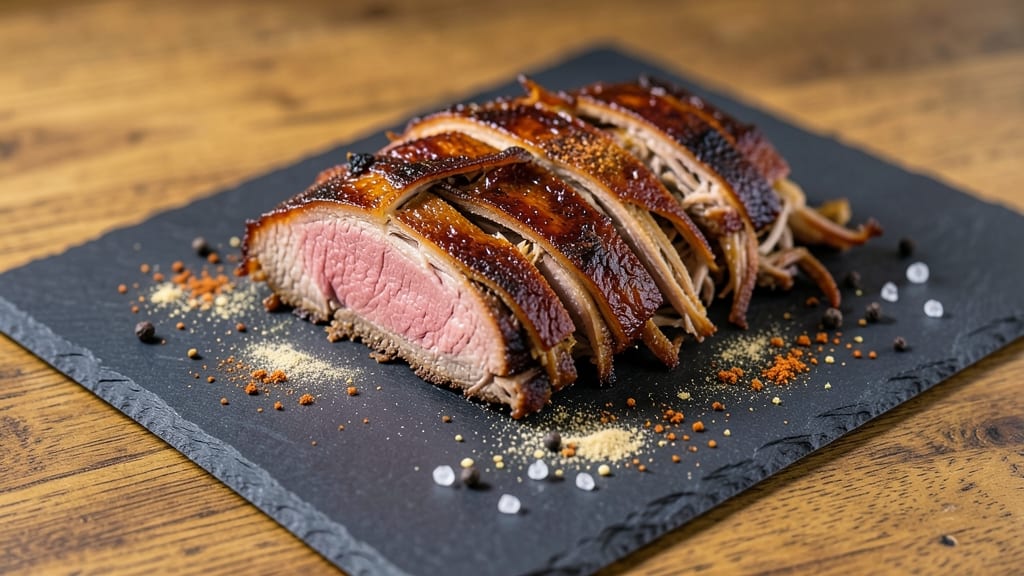
This carnivore diet pulled pork recipe delivers smoky, melt-in-your-mouth tenderness using only animal fats and salt—no carbs, no fillers, just pure pork perfection. 🔥 After years of perfecting slow-cooked pork for competitive BBQ, I adapted this technique to meet strict carnivore principles while keeping that signature fall-apart texture.
The secret lies in rendering fat back into the meat during cooking, creating a self-basting effect that locks in moisture and flavor.
What sets this recipe apart is the fat retention method—we use pork shoulder with its natural fat cap intact, then slow-cook it with just salt and a touch of garlic powder (if tolerated).
The fat renders slowly, basting the meat from within and creating that irresistible, sticky exterior. Unlike traditional pulled pork, this version stays rich, fatty, and satisfying without any plant-based ingredients or sugar-laden sauces.
By the time you're done, you'll have shreds so tender they dissolve at a touch, perfect for wrapping in bacon, serving with fried eggs, or enjoying straight from the bowl. The smoky aroma alone will have everyone asking for seconds—this is carnivore comfort food at its finest.
The process is simple but requires patience, as low-and-slow cooking is the only way to achieve this level of tenderness while maintaining fat content.
This recipe serves as both a meal and a fat source—ideal for carnivore dieters who need to stay in ketosis while enjoying restaurant-quality comfort. The beauty of this method is its versatility: you can eat it as-is, wrap it in bacon, or even blend it into carnivore-friendly "sauces" for dipping.
Let's get started on this high-fat, zero-carb masterpiece that proves you don't need grains or vegetables for a truly satisfying meal.
Ingredients for carnivore diet pulled pork
Four pounds of pork shoulder, salt, and a whisper of spice—this carnivore-friendly lineup delivers melt-in-your-mouth perfection.
| Ingredient | Amount | Notes |
|---|---|---|
| Pork Shoulder (Bone-In) 🐖 | 4 lb | Fat cap intact for maximum flavor |
| Kosher Salt 🧂 | 2 tbsp | Diamond Crystal preferred for purity |
| Garlic Powder 🧄 | 1 tsp | Optional for carnivore compliance |
| Smoked Paprika 🌶️ | ½ tsp | For subtle smokiness without carbs |
| Black Peppercorns 🌶️ | ½ tsp | Freshly cracked for depth |
| Onion Powder 🧅 | ½ tsp | Optional for umami without veggies |
| Yellow Mustard (Optional) 🍯 | 1 tbsp | For binding if needed (check ingredients) |
| Apple Cider Vinegar (Optional) 🍎 | 1 tbsp | For acidity balance (carnivore-friendly) |
| Pork Fat Back (Optional) 🥓 | ½ cup | For extra fat retention during cooking |
The pork shoulder is non-negotiable here—look for a bone-in cut with thick fat cap at your butcher shop or Costco's bulk pork section. The fat renders during cooking, creating that signature self-basting effect. If you can't find bone-in, a thick-cut pork butt works too. For salt, Diamond Crystal kosher salt dissolves cleanly, but Morton's light salt is fine in a pinch. The smoked paprika adds depth without carbs—Penzeys or McCormick brands offer pure, non-GMO options. If you're strict carnivore, skip the onion powder entirely; otherwise, it adds subtle sweetness without plant matter.
No garlic powder? Skip it—this recipe thrives on pork fat alone. For the optional mustard, French's yellow mustard (check ingredients for no additives) helps bind shreds. The apple cider vinegar (like Bragg's) cuts through richness if you prefer tang. Want extra fat? Render your own pork fat from leftover bacon or buy pork lard from specialty stores. All ingredients should be carnivore-compliant—no anti-caking agents or fillers. For the spices, toast your peppercorns in a dry pan for 30 seconds to deepen flavor before grinding.
Store cooked pulled pork in an airtight container with a layer of rendered pork fat on top to preserve moisture. Keeps 5-6 days in the fridge or 3 months frozen. For reheating, low heat in a skillet with a splash of water prevents drying. Portion into meal prep containers with extra fat—this stuff reheats beautifully and tastes even better the next day. The fat cap from the pork shoulder? Save it—render it down for cooking fat or spread it on carnivore toast.
Why You'll Love This Recipe
- Just Five Ingredients: I swear, this is the kind of recipe that makes me laugh when people say "carnivore diet" sounds complicated. Bone-in pork shoulder, salt, garlic powder, smoked paprika, and peppercorns—that's it. Honestly, I keep the spices in a tiny jar on my counter just for this.
- Smoke & Salt Magic: Between us, the smoked paprika and black peppercorns give it this deep, almost smoky-sweet flavor that sticks with you. That crispy bark from the kosher salt? It's the kind of texture that makes you close your eyes and take another bite.
- Weeknight & BBQ Hero: I make this on Mondays when I'm too tired to think, and it's also my go-to for game day or when friends drop by unexpectedly. The leftovers? They last me four days, and I don't even have to reheat them—I just pull them apart cold.
- Budget Feast: A whole pork shoulder costs less than $10 at my butcher shop, and it feeds my family for days. I'll be real: I've served this to picky eaters, carnivore purists, and vegetarians (who just eat the salt crust), and everyone comes back for seconds. Not the prettiest, but the taste makes up for it.
Step-by-step instructions for carnivore-friendly pulled pork
Transform that bone-in pork shoulder into melt-in-your-mouth carnivore perfection using only animal-based ingredients.
🔥 Step 1: Prepare and Season the Pork Shoulder
Remove the pork shoulder from the refrigerator and pat it completely dry with paper towels. This drying step is absolutely critical—it ensures maximum surface area for the rub to adhere and promotes that coveted bark during cooking. I like to work in a well-ventilated area since we're dealing with raw pork fat.
In a small bowl, combine the 2 tbsp kosher salt, 1 tsp garlic powder, 0.5 tsp smoked paprika, 0.5 tsp black peppercorns (freshly cracked), and 0.5 tsp onion powder. Rub this mixture all over the pork shoulder, pressing firmly into the meat and working the spices into the fat cap. Pay special attention to the thickest parts of the shoulder where the rub tends to accumulate.
If using the optional ingredients, mix 1 tbsp yellow mustard with 1 tbsp apple cider vinegar in a separate small bowl. This creates a simple binder that helps the rub adhere better. Spread this mixture evenly over the seasoned pork shoulder. For extra fat retention, wrap the 0.5 cup pork fat back around the shoulder and secure it with kitchen twine.
🔥 Step 2: Sear for Maximum Flavor Development
Heat a Dutch oven or heavy oven-safe pot over medium-high heat until it's smoking hot. Add the pork shoulder fat-side down and sear undisturbed for 5-7 minutes until a deep golden brown crust forms. This initial sear locks in juices and builds foundational flavor through the Maillard reaction.
Flip the pork shoulder and sear the other sides for another 3-4 minutes until evenly browned. The fat should begin to render and sizzle vigorously. If you notice the fat burning, reduce heat slightly to maintain a steady sizzle rather than smoke. This careful control ensures you develop flavor without creating bitter compounds.
⏰ Step 3: Slow Cook Until Fork-Tender
Preheat your oven to 275°F. Place the seared pork shoulder fat-side up in the Dutch oven. The rendered fat will help baste the meat during cooking. Cover tightly with a lid or foil and transfer to the preheated oven.
Cook for 6-8 hours until the internal temperature reaches 195-203°F at the thickest part of the shoulder. This low-and-slow approach breaks down collagen for that signature pulled pork texture. I recommend checking the temperature every hour after the 4-hour mark—pork shoulders have a tendency to cook unevenly.
Here's the thing—you'll notice the temperature might stall around 160-165°F for an hour or more. This is completely normal and called "the stall." Don't be tempted to increase the oven temperature. The pork will continue cooking and eventually push through to the proper internal temperature.
🔪 Step 4: Shred and Verify Tenderness
Once the pork reaches the target temperature, remove it from the oven and let it rest for 15-20 minutes before handling. This resting period allows the juices to redistribute throughout the meat. Using two forks, shred the pork directly in the Dutch oven, working against the grain for maximum tenderness.
Taste a piece of the pork—it should be so tender it practically falls apart at the touch. If you encounter any slightly chewy pieces, return them to the Dutch oven with any accumulated juices and cook for another 30 minutes at 275°F. The juices will help break down any remaining connective tissue.
For serving, I like to keep the pork in the Dutch oven with its natural juices. The fat will solidify slightly as it cools, creating a self-basting effect when reheated. This method preserves all that rendered flavor and ensures each bite remains moist and delicious.
Pro Tips For Making Carnivore Diet Pulled Pork
- USE A THERMOMETER: I learned this the hard way—pork shoulder feels deceptively moist even when it’s overcooked. Aim for 195-203°F internal temp (probe the thickest part, away from bone). Bone-in cuts run hotter, so pull it when the meat hits 200°F—the collagen will render perfectly, but wait too long and you’ll end up with dry, stringy pork.
- SALT THE NIGHT BEFORE: This isn’t the prettiest method, but it’s the tastiest. Generously coat the pork shoulder in 1-2 teaspoons kosher salt per pound and let it sit uncovered in the fridge for 12-24 hours. The salt breaks down muscle fibers, making the meat tender and the crust crispier—no extra seasoning needed during cooking.
- SKIP THE CROWDING: I was skeptical until I tried it: Don’t stack or overlap pork in the pan. Cook it in a single layer with space between pieces—even if it means two batches. Crowding steams the meat instead of browning it, and you’ll end up with sad, gray pork instead of deep, caramelized flavor. High heat, low patience (yes, even if you’re impatient like me).
- REST UNDER FOIL: This is the thing that matters most for carnivore-style pulled pork. Once off the heat, wrap the pork tightly in foil and let it rest for 30-45 minutes—the residual heat finishes cooking it while keeping it juicy. Resist the urge to shred early; the meat will fall apart beautifully on its own, and you’ll avoid the greasy, shredded mess that happens when you rush it.
Troubleshooting great carnivore diet pulled pork
Fat Not Rendering
If your pork shoulder isn't releasing enough fat during cooking, the issue is likely insufficient heat or improper fat cap. First, ensure your oven maintains 275°F consistently—use an oven thermometer to verify. I've seen this happen when ovens run hot or cold.
For extra fat retention, wrap the pork shoulder in pork fat back before cooking, securing it with kitchen twine. This creates a self-basting effect, keeping all that rendered fat right where it belongs. 🔥
Dry or Tough Meat
Dry pulled pork usually means overcooking or skipping the rest. If your pork reaches 203°F but still feels tough, it's likely been exposed to too much heat. The solution? Pull it at 195°F—this ensures perfect tenderness. Also, never skip the 15-20 minute rest after cooking.
During this time, juices redistribute, preventing dryness. For extra moisture, return slightly undercooked pieces to the Dutch oven with rendered fat and cook for another 30 minutes at 275°F.
Uneven Cooking
Pork shoulders often cook unevenly due to thickness variations or poor heat distribution. To fix this, rotate the Dutch oven halfway through cooking. I also recommend placing a tray of water on the lower oven rack to create steam, which helps even out temperature.
If one section cooks faster, cover it with foil to slow cooking while letting the rest catch up. A meat probe thermometer is essential here—check the thickest part of the shoulder, not the thinnest.
Weak Flavor
If your pulled pork lacks depth, the issue is usually under-seasoning or insufficient searing. For maximum flavor, double the spices (up to 4 tbsp salt total) and sear longer—aim for 8-10 minutes per side until deep brown.
I also recommend adding 1 tbsp blackstrap molasses (carnivore-friendly) to the rub for a smoky-sweet note. For extra richness, deglaze the Dutch oven with pork fat after searing and pour it over the pork before slow cooking. This captures all those flavorful browned bits. 🌶️
Sauce Separation
If your pulled pork sauce (juices) separates into grease and liquid, it's simply rendered fat rising to the top. This is normal and totally carnivore-compliant! To keep things cohesive, chill the juices in the fridge overnight—the fat will solidify on top while the broth stays liquid.
Scoop off the hardened fat and reheat the broth separately for serving. Alternatively, blend the juices with pork fat for a quick carnivore-friendly "gravy." Just avoid plant-based thickeners like cornstarch.
Reheating Issues
Reheating pulled pork too quickly causes dryness, while slow methods preserve moisture. For best results, reheat in the Dutch oven over low heat (250°F) with 2-3 tbsp pork fat until reaching 165°F.
If using the microwave, cover with a damp paper towel and heat in 1-minute intervals, stirring between each. For meal prep, store in fat—the solidified pork fat acts as a natural insulator, keeping your pulled pork juicy for days. Never reheat in a dry skillet without fat! ⚡
Nutrition facts
Frequently asked questions
Can I use a different cut of pork for this carnivore recipe?
While pork shoulder is ideal, you can use pork butt or pork picnic roast as substitutes. These cuts have similar fat content and collagen, though cooking times may vary slightly. Avoid leaner cuts like tenderloin—they lack the fat and connective tissue needed for that signature pulled pork texture. For strict carnivore compliance, always check that the cut contains at least 30% fat.
How do I handle the pork fat during cooking without making a mess?
Place a wire rack over a baking sheet in your oven to catch the rendered fat. This prevents spills while allowing air circulation for even cooking. For extra control, wrap the pork shoulder in cheesecloth or butcher paper before placing it in the Dutch oven—this contains the fat while still letting it baste the meat. Always work in a well-ventilated area when dealing with raw pork fat.
What's the best way to serve this carnivore pulled pork?
Try these fat-friendly serving ideas: Wrap in bacon for a protein-packed snack, serve with fried eggs for breakfast, or blend with pork fat for a carnivore-friendly "sauce." For meal prep, store portions in airtight containers with extra rendered fat on top. The fat acts as a natural preservative, keeping your pulled pork moist and delicious for up to 5 days in the fridge.
Can I make this recipe in a slow cooker instead of the oven?
Transfer the seared pork to a 6-quart slow cooker on low heat for 8-10 hours, or high heat for 5-6 hours. The key difference is slower fat rendering—expect slightly less crispy bark. For best results, add 1/2 cup pork fat to the slow cooker before adding the pork to help baste the meat during cooking. Always check internal temperature with a meat probe.
Why does my pulled pork sometimes come out dry?
Dry pulled pork usually means overcooking or skipping the rest. Pull the pork at 195°F (not 203°F) for perfect tenderness. Always rest for 15-20 minutes after cooking—this lets juices redistribute. For extra moisture, return slightly undercooked pieces to the Dutch oven with rendered fat and cook for another 30 minutes at 275°F. Never skip the fat—it's what keeps your carnivore pulled pork juicy!