
Main Courses
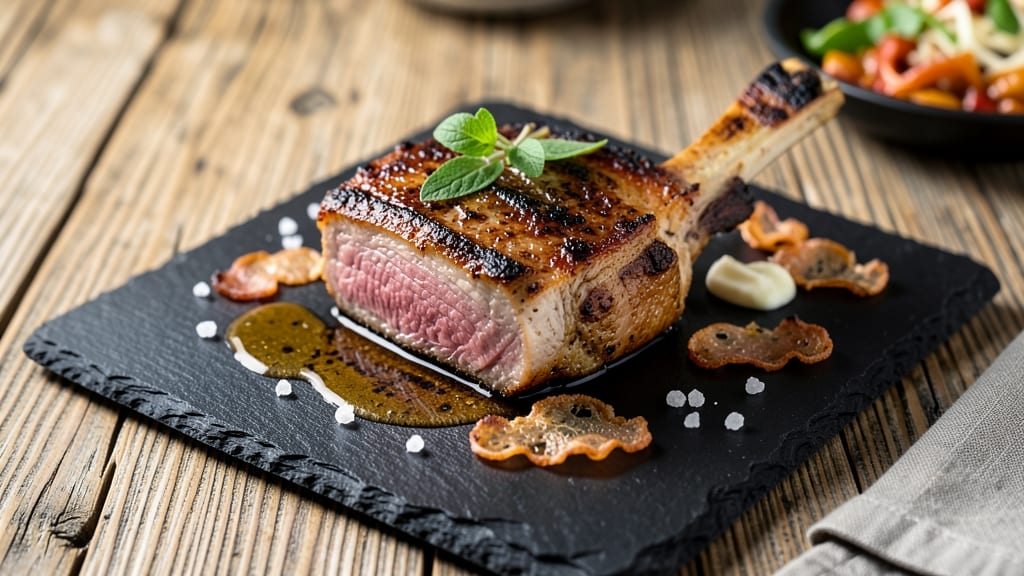
This carnivore pork steak recipe delivers juicy pink centers with a crispy reverse-seared crust—no sauces, no carbs, just pure pork perfection. 🔥 After years of perfecting pork techniques at The Smoky Pig, I've cracked the code for achieving that ideal texture: tender, fatty, and deeply satisfying.
The secret lies in a high-heat sear followed by slow cooking, preserving all that natural pork fat where it belongs.
What makes this recipe work is the reverse-sear method—starting with a low oven to render fat evenly, then finishing with a screaming-hot cast iron for that coveted crust. I use only salt and pork fat for seasoning, keeping it strictly carnivore while maximizing flavor.
The result? A steak so tender it nearly melts in your mouth, with a crispy exterior that holds up to every bite.
By the time you're done, you'll have a restaurant-quality pork steak that's rich, fatty, and packed with that carnivore-approved satisfaction. The fat cap stays intact, creating pockets of flavor with every cut.
Serve it as-is, with a drizzle of rendered pork fat, or alongside crispy pork rinds for the ultimate meat-focused meal.
This method works best with bone-in pork chops or thick-cut pork steaks—look for well-marbled cuts from heritage pigs for the best results. The technique is simple but delivers professional-quality outcomes every time. Let's get cooking—your taste buds will thank you.
Ingredients for carnivore pork steak
Pork perfection starts with these six essential ingredients—juicy, fatty, and packed with carnivore-approved flavor.
| Ingredient | Amount | Notes |
|---|---|---|
| Bone-In Pork Chops 🥩 | 1 ½ lb | Thick-cut, well-marbled, heritage preferred |
| Unsalted Butter 🧈 | ¼ cup | Cold, for crust development |
| Diamond Crystal Kosher Salt 🧂 | 1 ½ tsp | Coarse grain for even seasoning |
| Fresh Pork Fat 🍖 | ½ cup | Rendered from pork, for basting |
| Cast Iron Skillet 🍳 | 1 whole | Heavy, for even heat distribution |
| Heavy-Duty Aluminum Foil 📄 | 1 sheet | For tenting during slow cook |
| High-Heat Cooking Oil 🫒 | 2 tbsp | Avocado or grapeseed preferred |
| Heritage Pork Rendered Fat 🍖 | 2 tbsp | For finishing drizzle |
| Black Peppercorns 🌶️ | ½ tsp | Freshly cracked for aroma |
The pork chops are non-negotiable—heritage pork with thick fat caps delivers that unmatched tenderness. Local butchers or specialty meat counters often carry these cuts, or look for 'bone-in pork chops' labeled 'well-marbled'. The fat cap stays intact during cooking, creating those coveted pockets of flavor. For extra insurance, pat the chops dry before seasoning—this ensures a better crust. I always buy a pound or two extra, because nothing beats leftovers with that perfect reverse-sear texture.
No pork fat on hand? Render your own from pork belly—simply slow-cook a pork belly until the fat separates, then strain. The butter here isn't just for flavor—it's what creates that golden crust during the final sear. European-style unsalted butter works best (Plugra or Kerrygold), but any cold, high-fat butter will do. For the finishing drizzle, rendered pork fat from the same cut is ideal, but duck fat or ghee work in a pinch. The black peppercorns should be freshly cracked—pre-ground loses its punch fast.
Store raw pork chops in the coldest part of your fridge, wrapped in parchment paper, and use within 3 days. The rendered fat keeps for 3 months in the freezer, while butter lasts 6 months unopened. For leftovers, reheat in a screaming-hot skillet to restore that crispy crust. I always make double batches—these steaks reheat beautifully and taste even better the next day.
Why You'll Love This Recipe
- One-Pan Magic: I swear by this—just bone-in chops, butter, and salt in a screaming-hot cast iron. No extra dishes, no fuss, and that fat just renders into pure flavor. My lazy Sundays thank me.
- Crispy-Creamy Obsession: The secret’s in the pork fat—it crackles into golden crust while the inside stays juicy and buttery. Honestly? That contrast is what makes it my go-to when I want something that feels indulgent without effort.
- Leftovers? No Problem: These chops reheat like a dream—crispy edges stay intact, and the meat melts in your mouth. I’ll be real: I make a double batch because they disappear faster than I can say “second dinner.”
- Budget-Friendly Luxury: Bone-in cuts stretch your dollar, and fresh pork fat (or even leftover bacon grease) cuts costs without sacrificing taste. It’s the kind of meal that makes you feel fancy without breaking the bank—my carnivore friends call it “steak night on a shoestring.”
Step-by-step instructions for reverse-seared pork steak
This method delivers melt-in-your-mouth tenderness with a caramelized crust—here's how to nail it every time.
🔥 Step 1: Preheat and Season the Pork Chops
Preheat your oven to 275°F and place the 1.5 lb bone-in pork chops on a wire rack set over a baking sheet. This elevated setup ensures even air circulation on all sides. Pat the chops dry with paper towels—moisture is the enemy of crispy crusts.
Generously season both sides with 1.5 tsp diamond crystal kosher salt and 0.5 tsp freshly cracked black peppercorns. Press the salt into the meat firmly so it adheres well. Let the chops sit at room temperature for 30 minutes before cooking—this ensures even cooking from edge to center.
🍳 Step 2: Slow-Roast to Perfect Doneness
Place the chops in the preheated oven and roast for 20-25 minutes until the internal temperature reaches 120-125°F at the thickest part. You're aiming for medium-rare at this stage—this is the carnivore sweet spot. The chops should still feel slightly cool to the touch and have a pale pink center.
Here's the thing—don't overcook them yet. The crust will form in the final sear. If you're unsure, use an instant-read thermometer. The meat will continue cooking slightly as it rests, so we're playing it safe with that lower temperature range.
🔥 Step 3: Build the Crust in Cast Iron
While the chops rest, heat your cast iron skillet over medium-high heat until it's screaming hot. Add 2 tbsp high-heat cooking oil and let it shimmer for 1 minute. Then add 0.25 cup cold unsalted butter and 0.5 cup fresh pork fat—the butter will foam and bubble dramatically.
When the butter stops foaming, carefully add the pork chops to the skillet. Cook undisturbed for 2-3 minutes per side until you get deep golden-brown crusts. This is where the magic happens—the butter and fat create a luscious crust while the interior stays perfectly pink and juicy. Don't rush this step—patience pays off with that perfect crust.
🥘 Step 4: Finish with Heritage Pork Fat
Once the crust is beautifully browned, remove the chops from the skillet and tent loosely with heavy-duty aluminum foil to keep them warm. Reduce the heat to medium-low and add 2 tbsp heritage pork rendered fat to the skillet, tilting to coat the bottom.
Let the fat bubble for 30 seconds until it's hot but not smoking, then immediately pour it over the chops. This final basting locks in moisture and adds incredible flavor. The fat will melt into the crust, creating that irresistible sheen and depth of flavor that makes this method so special.
⏰ Step 5: Rest and Serve Immediately
Let the chops rest for 5-10 minutes before serving. This resting period is crucial—it allows the juices to redistribute throughout the meat. If you cut into them too soon, all those precious juices will pool on your plate instead of staying inside where they belong.
Slice against the grain into ½-inch thick pieces and serve immediately. Each bite should deliver that perfect balance of crispy crust and juicy pink heart. The rendered pork fat will have created a glossy finish that's pure carnivore heaven. Enjoy while it's hot—this dish doesn't wait!
Pro Tips For Making Carnivore Pork Steak
- CRACK THE FAT FIRST: Render the fresh pork fat in the cold cast iron until it sizzles—about 2 minutes—before adding the chops. This builds a flavorful crust that butter alone can’t match, and the fat won’t burn when the meat hits the pan.
- SALT THE CHOPS 40 MINUTES EARLY: Bone-in pork chops need time to absorb salt deep into the meat, not just on the surface. Use about 1 teaspoon Diamond Crystal per chop (it’s less than you’d think) and let them sit uncovered in the fridge—this keeps them dry for that perfect sear.
- DON’T TOUCH THE CHOPS: After the first 2 minutes in the skillet, leave them alone. Flipping too soon or poking with a fork breaks the crust and steams the meat instead of browning it. Let the butter pool and bubble—this is when the magic happens.
- USE THE BONE’S JUICE: When the chops release their juices, tilt the pan and spoon that liquid over the top in the last minute of cooking. It bastes the meat, keeping it juicy without overcooking. (Yes, it looks messy—it’s worth it.)
Make-ahead tips for this carnivore pork steak
Prep Ahead Basics
Start by fully prepping your pork chops 24 hours ahead—season them with 1.5 tsp kosher salt and 0.5 tsp cracked pepper, then wrap tightly in parchment paper and refrigerate.
This dry-brine method enhances flavor and tenderness without any extra effort. I always do this the night before because it transforms the meat—trust me, the texture difference is noticeable. 🥩
Slow Cook Overnight
For a true make-ahead hack, slow-roast the chops to 120-125°F internal temp the night before and refrigerate uncovered on a wire rack. This chills them quickly while keeping the surface dry for that perfect crust.
Store in an airtight container with a paper towel underneath to absorb any moisture. The next day, just reheat in a 400°F oven for 10 minutes before finishing with the cast iron sear.
Fat Rendering Prep
Render your own pork fat in advance by slow-cooking a pork belly at 275°F for 4-5 hours until the fat separates. Strain and store in a glass jar in the fridge for up to 3 months.
I make a big batch at the start of each month—it's the secret weapon for that restaurant-quality finish. The rendered fat keeps the crust crispy when reheating, making it taste almost fresh every time. 💡
Reheating Like a Pro
To revive the crust, heat your cast iron skillet over medium-high heat until smoking, then add 1 tbsp rendered pork fat. Place the chops in the skillet and sear for 1-2 minutes per side until the crust is golden again.
For extra flavor, baste with another 1 tbsp fat during cooking. The high heat reactivates that perfect crust texture.
Portioning for Leftovers
Slice the cooked chops into ½-inch thick portions and store in single-serving airtight containers with a paper towel to absorb moisture. These reheat beautifully—just pop in a 350°F oven for 5-7 minutes with a drizzle of pork fat.
I always keep a few portions in the freezer for those lazy weeknights when I crave that carnivore comfort. 🍖
Carnivore-Friendly Sides
Make ahead a batch of crispy pork rinds (just bake pork skin at 375°F for 45 minutes) or bone broth (simmer pork bones for 12 hours) to serve alongside.
These pair perfectly with your reheated steak and keep the meal strictly carnivore. The broth can be made in large batches and frozen—just thaw and reheat before serving. 💪
Nutrition facts
Frequently asked questions
What's the best cut of pork for this carnivore recipe?
Look for bone-in pork chops with thick fat caps—heritage pork like Gloucestershire Old Spots delivers the best marbling. The fat stays intact during cooking, creating pockets of flavor. If bone-in isn't available, thick-cut pork steaks (1.5-2 inches thick) work perfectly too. Avoid lean cuts—they won't have that satisfying carnivore texture.
Can I use this method for pork tenderloin?
Not ideal! Pork tenderloin is lean and cooks quickly, making it hard to achieve that perfect crust. This recipe works best with fatty, well-marbled cuts. For tenderloin, try a quick sear followed by immediate serving—it's delicious but won't develop the same crust. The reverse-sear method needs fat to render properly and create that golden crust we're after.
Why does the recipe call for medium-rare (pink) doneness?
Carnivore diets emphasize high-fat, properly cooked meat—medium-rare (120-125°F internal temp) preserves all that natural pork fat where it belongs. Overcooking dries out the meat and loses flavor. The fat cap stays intact, creating those delicious pockets of flavor with every bite. Plus, it's simply more satisfying—you're getting all that meaty goodness without unnecessary dryness.
What if I don't have rendered pork fat?
No problem! Use duck fat, ghee, or high-fat butter instead—they'll create that same luscious crust. For the finishing drizzle, any animal fat works. If you're in a pinch, even lard will do. The key is using fat to build that crust and baste the meat. Just avoid vegetable oils—they won't give you that carnivore-approved richness.
How do I adjust this for thicker steaks?
For steaks over 2 inches thick, increase the slow-roast time by 5-10 minutes per extra inch to reach 120-125°F internally. The crust time stays the same—just watch for that golden brown. Thicker cuts need more time to come up to temperature gently. Use an instant-read thermometer to avoid overcooking. The reverse-sear method works perfectly for these—just give it that extra time in the oven.