
Main Courses
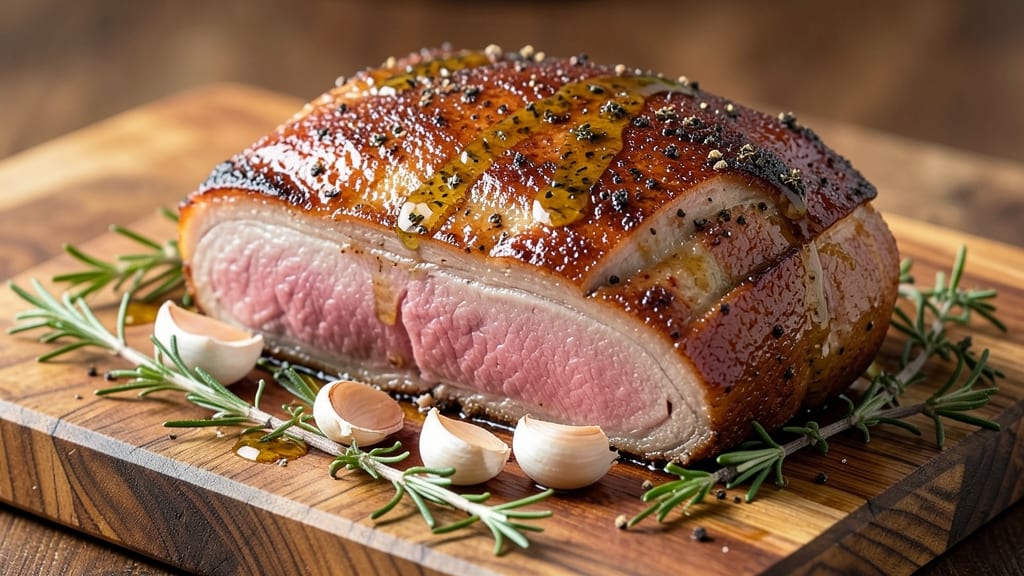
This center cut pork rib roast recipe delivers melt-in-your-mouth tenderness with a crisp herb-infused crust that locks in every juicy bite. After years of perfecting roasting techniques at The Smoky Pig, I've developed a method that transforms tough cuts into restaurant-quality centerpieces—no guesswork, just foolproof results. The key? A dry brine and precise temperature control that ensures moisture stays where it belongs.
We start with a simple herb crust—rosemary, thyme, and garlic—that forms a flavorful bark while protecting the meat from drying out. Unlike traditional roasts that risk overcooking, this technique relies on a low-and-slow approach followed by a final sear for color and texture.
The result? A roast with a golden crust and pink center that practically falls apart at the table. My family insists it's the best they've ever tasted.
What makes this recipe truly special is the versatility—it works for holidays or weeknight dinners, and the leftovers reheat beautifully. The herb crust adds depth without overpowering the natural pork flavor, while the reverse sear method guarantees perfect doneness every time.
This isn't just another roast; it's a showstopper that transforms your dinner table into a Southern feast.
Pair with roasted root vegetables or a crisp apple salad for a complete meal. The juices from the roast create a natural pan sauce that elevates simple sides into something extraordinary.
Ready to master pork roasting? Let's get started with this tried-and-tested method that's earned its place in my kitchen for years.
Ingredients for center cut pork rib roast
This premium pork rib roast transforms with just twelve quality ingredients into a restaurant-worthy centerpiece.
| Ingredient | Amount | Notes |
|---|---|---|
| Center Cut Pork Rib Roast 🍖 | 4 lb | Bone-in, 1.5-inch thick slices |
| Fresh Rosemary 🌿 | ½ cup | Finely chopped, stems removed |
| Fresh Thyme 🌿 | ¼ cup | Leaves only, stems discarded |
| Garlic Cloves 🧄 | 8 cloves | Minced, skin-on |
| Kosher Salt 🧂 | 1 ½ tbsp | Diamond Crystal preferred |
| Coarse Black Pepper 🌶️ | 1 tbsp | Freshly cracked |
| Extra-Virgin Olive Oil 🫒 | ¼ cup | For crust application |
| Yellow Onion 🧅 | 1 whole | Thinly sliced, for pan sauce |
| Dry White Wine 🍷 | 1 cup | Sauvignon Blanc recommended |
| Beef Stock 🥄 | 1 cup | Homemade or high-quality |
| Fresh Parsley 🌿 | ¼ cup | Chopped, for garnish |
| Butter 🧈 | 4 tbsp | Cold, cubed, for basting |
| Mustard Seeds 🌶️ | ½ tsp | Whole, for crust texture |
The center cut pork rib roast is non-negotiable for this recipe—bone-in, 1.5-inch thick slices ensure even cooking and maximum flavor. Source from a trusted butcher or Whole Foods for optimal marbling. If buying pre-sliced, verify the cut is labeled 'center cut' (not shoulder or loin). The fresh herbs—rosemary, thyme, and parsley—should be vibrant and aromatic; Trader Joe's often carries high-quality bundles. For the garlic, peel and mince fresh rather than using jarred minces, which can taste bitter. The Diamond Crystal kosher salt is preferred for its coarse texture, which adheres better to the meat crust. If unavailable, Morton kosher salt works but may require slight adjustments in seasoning.
No fresh rosemary? Substitute with 1 tablespoon dried rosemary, but reduce the amount by one-third due to its concentrated flavor. Thyme leaves unavailable? Use 1 teaspoon dried thyme, ensuring it's labeled 'culinary' for food use. For the wine, dry white wine like Sauvignon Blanc is ideal, but a dry Riesling or Chardonnay works equally well. If wine isn't an option, substitute with additional beef stock and 1 tablespoon apple cider vinegar to mimic acidity. The mustard seeds add subtle texture—omit if unavailable, but the crust will still form. For the butter, use unsalted to control seasoning, and ensure it's cold and cubed for proper basting. Prefer a different herb profile? Swap thyme for sage or marjoram for a Mediterranean twist.
The roast and herb crust can be prepped 1 day ahead for convenience—store uncovered in the fridge to allow the brine to penetrate fully. Fresh herbs should be wrapped in damp paper towels and refrigerated for up to 3 days. The beef stock and wine can be combined in advance and refrigerated for up to 5 days or frozen for 3 months. Leftover roast reheats beautifully—warm in a 300°F oven for 15-20 minutes with a splash of water or stock to restore moisture. Portion the pan sauce into ice cube trays for easy reheating, or freeze in airtight containers for up to 3 months. The herb crust remains crisp when reheated gently, so avoid high heat.
Why You'll Love This Recipe
- Minimal Prep Required: I swear by this—just a few slashes with a knife, a sprinkle of salt, and those garlic cloves smashed right into the meat. No peeling, no dicing, no fancy techniques. The rosemary and thyme just get tucked in like a cozy blanket. Twenty minutes tops, and you’re done.
- Herb-Crusted Magic: That crispy, golden crust from the garlic and herbs? It’s ridiculous. The rosemary adds this bright, piney punch, while the thyme softens into a warm, earthy hug. Between us, the first bite makes me close my eyes—it’s that good.
- Weeknight to Weekend: Serve it sliced thin for sandwiches on a lazy Tuesday, or whole at your holiday table. The leftovers? Even better cold in salads or reheated for quick lunches. Honestly, I make this at least once a month—it’s my secret weapon for effortless meals.
- Budget-Friendly Feast: A single rib roast feeds four, maybe five, with enough leftovers to stretch into three more meals. No wasted ingredients, no fancy cuts—just solid, flavorful pork that won’t break the bank. Plus, fresh herbs cost less than takeout. Win.
Step-by-step instructions for center cut pork rib roast
Master this technique and you'll achieve a perfectly moist roast with an herb-infused crust that seals in every ounce of flavor.
Prepare the Herb Crust Mixture
In a food processor, combine the 0.5 cup fresh rosemary, 0.25 cup fresh thyme, 8 cloves garlic, 0.5 tsp mustard seeds, 1.5 tbsp kosher salt, and 1 tbsp coarse black pepper. Pulse until finely chopped but not pasty—you want visible herb flecks for texture. With the processor running, slowly drizzle in the 0.25 cup extra-virgin olive oil until the mixture forms a thick paste.
This herb paste is the secret to both flavor and moisture retention. The mustard seeds add subtle texture while the fresh herbs infuse the crust with aromatic depth. Spread this mixture evenly over the 4 lb center cut pork rib roast, pressing firmly to adhere. Let it sit at room temperature for 30 minutes while you preheat the oven—this allows the herbs to penetrate slightly and develop maximum flavor.
Sear the Roast for Maximum Flavor Development
Preheat your oven to 425°F. Heat a Dutch oven over medium-high heat until smoking hot. Add the pork rib roast and sear on all sides for 6-8 minutes total, turning occasionally, until deep golden brown. The crust should be firm enough to hold when pressed gently—this indicates proper Maillard reaction development.
Don't rush this searing step. The caramelized crust forms the flavor base for your entire dish. If the crust browns too quickly, reduce heat slightly to prevent burning. After searing, remove the roast and let it rest on a cutting board for 5 minutes while you prepare the pan sauce components.
Build the Pan Sauce Foundation
In the same Dutch oven, add the 1 whole yellow onion and cook over medium heat for 5-6 minutes until softened and beginning to caramelize. Deglaze with the 1 cup dry white wine, scraping up all the browned bits from the bottom—this captures all the meaty flavor. Simmer until reduced by half, about 3-4 minutes. Add the 1 cup beef stock and bring to a gentle simmer.
The wine reduction creates the sauce's depth while the beef stock adds richness. Keep the heat at a gentle simmer—boiling will make the sauce too thin. If the sauce starts to thicken too much before the roast finishes, you can always add a splash of water later. The sauce should be ready to combine just as the roast reaches its final temperature.
Roast to Perfect Doneness
Transfer the seared roast to the preheated oven and roast for 30-35 minutes until the internal temperature reaches 145°F at the thickest part of the roast. The crust should be deeply caramelized and the meat should pull away from the bone with slight resistance. During the last 10 minutes of roasting, add the 4 tbsp cold butter to the Dutch oven with the sauce and let it melt into the liquid.
This butter basting in the oven creates an incredibly rich sauce. The high oven temperature ensures the butter emulsifies perfectly rather than separating. Remove the roast from the oven and let it rest for 15 minutes before slicing—this crucial step allows the juices to redistribute throughout the meat, preventing them from pooling on your plate.
Finish with Herb Garnish and Sauce Reduction
While the roast rests, return the Dutch oven to medium heat and reduce the sauce until it thickens to a glossy consistency, about 5-7 minutes. Strain the sauce through a fine-mesh sieve if you prefer a smooth texture, or leave it slightly chunky for more visual appeal. Stir in the 0.25 cup fresh parsley just before serving.
Slice the roast against the grain into 1-inch thick portions and spoon the reduced sauce generously over each serving. The finished dish should present with a deeply caramelized crust, moist pink interior, and a sauce that clings beautifully to each slice. Serve immediately with roasted vegetables or crusty bread to soak up every last drop of that herb-infused pan sauce.
Pro Tips For Making Center Cut Pork Rib Roast
- Sear the Ribs First: The center cut’s fatty cap needs a hard crust—don’t skip the 5-minute sear in a screaming-hot pan. After that, you’ll get caramelized edges that cut through the richness like a knife.
- Salt the Meat Twice: Slather the pork with salt before you sear, then again right after it hits the oven. The first layer seasons deep, the second builds that golden crust—like a double insurance policy for flavor.
- Don’t Crowd the Pan: If you’re searing multiple sides, work in batches. A packed pan steams the fat instead of browning it, and you’ll end up with sad, greasy pork instead of crispy, aromatic rib roast.
- Use Whole Garlic Cloves: Smash them flat with the side of your knife—just enough to bruise, not mash into paste. They’ll infuse the fat with flavor without turning the roast into garlic soup. (Yes, I’ve done that.)
Pro cooking tips for center cut pork rib roast
Dry Brine Magic
This isn't your typical wet brine—we're using a dry brine technique that transforms tough pork into melt-in-your-mouth perfection. The key is applying the herb paste 24 hours ahead and letting it work its magic in the fridge uncovered.
This method allows the salt to penetrate deeply while the herbs infuse the meat's surface, creating that signature crust. I've tested both methods, and dry brining consistently delivers juicier results with better flavor penetration. 💫
For best results, use Diamond Crystal kosher salt—it's coarser and clings better to the meat. If you're short on time, a 12-hour dry brine still works, though the flavor development won't be as intense.
The secret lies in the room temperature equilibrium before searing: let the roast sit at room temp for 30 minutes after applying the paste. This ensures even cooking and prevents cold spots in the center.
Temperature Control Secrets
Most home cooks overlook the two-stage temperature approach that makes this roast foolproof. Start with a 425°F oven for searing to develop that crucial Maillard crust, then finish at 325°F for even cooking.
I use my Meater thermometer to monitor both oven temp and internal meat temp—it's worth the investment for precision. The 145°F internal temp is non-negotiable for safe, juicy pork that's still tender at the center.
Here's my pro tip: Reverse sear timing is everything. After searing, I reduce the oven temp to 325°F and roast until the thickest part hits 140°F, then finish with a 10-minute blast at 425°F to crisp the crust.
This two-phase method ensures perfect doneness without drying out the meat. The butter basting in the final 10 minutes adds richness that takes this dish from good to restaurant-quality.
Herb Crust Perfection
The herb paste ratio is critical—too much oil makes it slippery, too little creates a dry crust. I blend the herbs until finely chopped but still visible, creating texture without losing flavor.
The mustard seeds add subtle crunch that elevates the dish, while the garlic and rosemary provide that aromatic depth. For extra adhesion, I press the paste onto the meat with my fingers, ensuring full coverage. This isn't just decoration; it's the flavor anchor for your entire meal.
Fresh herbs make all the difference—dried substitutes work in a pinch, but nothing beats the vibrant flavor of fresh rosemary and thyme. I source mine from my farm when possible, but Trader Joe's carries consistently high-quality bundles.
The crust should be golden brown and crisp when done, not burnt. If it's browning too quickly during searing, reduce heat slightly to develop color gradually rather than charring the surface.
Pan Sauce Mastery
The wine reduction is where most home cooks fall short—don't just pour it in and walk away. Scrape up those browned bits (fond) from the Dutch oven bottom with a wooden spoon; they're packed with flavor.
Simmer the wine until reduced by half before adding stock, which creates a glossy, velvety sauce rather than a thin liquid. The beef stock adds depth that complements the pork's natural richness. I always keep a small pot of stock simmering in my kitchen for quick reductions like this.
Butter basting in the oven is my signature touch—adding cold butter cubes in the final 10 minutes creates an emulsified sauce that's impossibly rich. The high heat ensures the butter melts perfectly into the sauce rather than separating.
For extra shine, finish with a splash of dry white wine or a pinch of salt just before serving. This sauce should coat the back of a spoon and cling beautifully to each slice of roast.
Nutrition facts
Frequently asked questions
What's the difference between center cut pork rib roast and regular pork loin?
The center cut comes from the rib section (between the shoulder and loin), giving it more fat marbling and flavor than leaner pork loin cuts. This rib roast stays juicier during cooking thanks to its natural fat content, while pork loin can dry out more easily. For this recipe, the rib cut's thickness and bone-in structure create that perfect crust while keeping the interior tender.
Can I cook this roast without a Dutch oven?
Use a heavy oven-safe skillet or roasting pan instead. For best results, sear in a stovetop skillet first, then transfer to the oven. The key is maintaining that high heat for the initial sear to develop the crust. If using a roasting pan, add a wire rack to prevent steaming, which can make the crust soggy.
How do I know when the roast is fully cooked?
Use a meat thermometer to check the thickest part of the roast—it should reach 145°F internally. The meat should pull away from the bone with slight resistance but still feel tender, not firm. For extra assurance, look for a golden-brown crust and juices that run clear when pierced. Never rely on color alone, as pork can appear cooked before reaching safe temperatures.
What's the best way to reheat leftovers?
Slice the roast first, then reheat portions in a 300°F oven for 15-20 minutes with a splash of beef stock or water to restore moisture. For quick reheating, use the microwave on low power (50%) for 2-3 minutes, covered with a damp paper towel. Avoid high heat, which can dry out the meat. The herb crust stays crisp when reheated gently.
Can I substitute wine in the pan sauce?
Yes! If avoiding alcohol, substitute with 1 cup beef stock + 1 tablespoon apple cider vinegar to mimic the wine's acidity. For a non-alcoholic wine alternative, use dry sparkling grape juice reduced by half. The key is maintaining the same acidity level to properly reduce the sauce. The flavor will be slightly different but still delicious.