
Main Courses
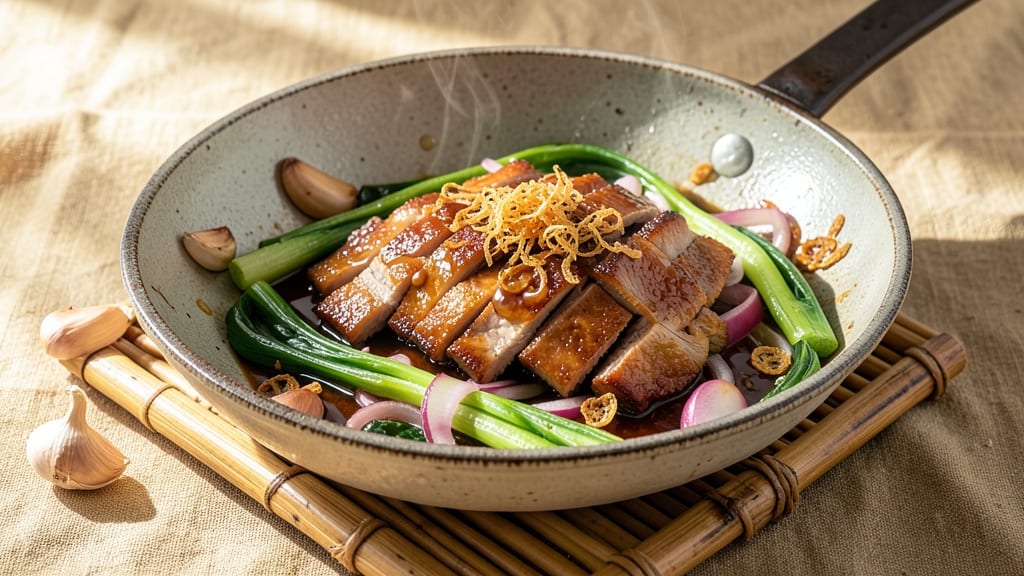
This char siu pork stir fry recipe delivers the perfect marriage of Cantonese BBQ tradition and wok-heated crispiness—exactly what I crave after a long day at the smoker. 🔥 The secret lies in marinating pork shoulder with five-spice powder and honey until it develops that signature sticky, caramelized bark, then finishing it with a quick stir-fry that preserves its juiciness while adding vibrant vegetables.
What sets this dish apart is the balance between authentic technique and modern convenience. I've simplified the char siu process by using a combination of oven roasting and wok searing—no traditional charcoal grill required—while still achieving that deep, smoky-sweet flavor profile.
The stir-fry portion comes together in under 15 minutes, making it perfect for weeknight dinners that feel special.
The result is tender, slightly crispy pork slices with a glossy glaze, tossed with colorful bell peppers, onions, and garlic that add freshness to each bite. The wok hei (breath of the wok) technique ensures the vegetables stay crisp-tender while absorbing the pork's rich flavors.
This dish is restaurant-quality without requiring hours in the kitchen.
Serve it over steamed jasmine rice or alongside egg fried rice for a complete meal. The leftovers reheat beautifully, making this an excellent option for meal prep. Trust me—once you try this version, you'll never settle for store-bought char siu again.
Ingredients for char siu pork stir fry
Pork shoulder, five-spice, and sticky glaze—this stir fry brings Cantonese BBQ magic to your weeknight table.
| Ingredient | Amount | Notes |
|---|---|---|
| Pork Shoulder (Bone-In) 🥩 | 2 lb | Cut into 1-inch thick slices |
| Honey 🍯 | ½ cup | Wildflower preferred for depth |
| Hoisin Sauce 🍶 | ¼ cup | Store-bought or homemade |
| Five-Spice Powder 🌶️ | 2 tbsp | Authentic blend preferred |
| Soy Sauce 🍶 | ¼ cup | Dark soy for color |
| Garlic Cloves 🧄 | 8 cloves | Minced for marinade |
| Fresh Ginger 🌿 | 2 tbsp | Grated, peeled |
| Red Bell Pepper 🌶️ | 2 whole | Sliced into strips |
| Yellow Onion 🧅 | 1 whole | Cut into wedges |
| Vegetable Oil 🫒 | 2 tbsp | High smoke point |
| Sesame Oil 🫒 | 1 tbsp | For finishing |
| Toasted Sesame Seeds 🌾 | 1 tbsp | For garnish |
| Jasmine Rice 🍚 | 2 cups | Uncooked, long-grain |
| Salt 🧂 | 1 tsp | Kosher or sea salt |
| Black Pepper 🌶️ | ½ tsp | Freshly ground |
The pork shoulder is non-negotiable here—bone-in stays juicier during roasting. Look for well-marbled cuts at the butcher counter, or grab pre-sliced char siu pork from an Asian market if you're short on time. Trader Joe's and H Mart both carry excellent pre-made versions, though nothing beats homemade for that authentic bark. For the five-spice powder, Penzeys or Spicewalla carry the best blends—avoid the cheap grocery store versions that taste like dust. The honey should be wildflower or clover; store-bought brands like Golden Blossom work perfectly.
No hoisin sauce? Substitute with 2 tbsp soy sauce plus 1 tbsp molasses—it won't be identical, but you'll still get that sweet-savory punch. Fresh ginger losing its bite? Powdered ginger at half the amount works in a pinch, though it lacks the bright zing. The bell peppers can be swapped for snap peas or broccoli if you prefer, but red bell adds that signature Cantonese crunch. For the stir-fry, high-heat vegetable oil is key—avoid olive oil, which burns too easily. And trust me on the dark soy sauce—it gives that signature red glaze that makes this dish look restaurant-worthy.
Marinated pork keeps 3 days in the fridge, but it's best used within 24 hours for maximum tenderness. The stir-fry comes together in minutes, so prep the rice separately—it needs about 15 minutes to steam. Leftover pork reheats beautifully in a steamer basket or air fryer to restore crispiness. Store leftovers in an airtight container with a paper towel to absorb moisture—keeps 4 days in the fridge or 3 months frozen. The glaze thickens when chilled, so reheat gently with a splash of water if it seems too stiff.
Why You'll Love This Recipe
- One-Pan Magic: I swear by this recipe when I’m too tired to scrub a million dishes. The pork shoulder—bone-in, yes, but it’s forgiving—caramelizes right on the stovetop while the hoisin and honey glaze stick to the pan like a dream. Just wipe it down, toss in the veggies (if you’re feeling fancy), and call it a night.
- Sweet-Savory Crunch: That five-spice powder? It’s the secret weapon. Warm cinnamon, star anise, and a hint of clove turn the pork into something ridiculously addictive—crispy on the edges, sticky-sweet inside, with a deep umami kick from the soy. Honestly, I’ve caught myself sneaking bites straight from the pan.
- Lunchbox Hero: Between us, this is my go-to for meal prep. Slice the leftover pork thin, toss it with rice or noodles, and pack it for work—it stays tender for days. My kids (who usually refuse anything "fancy") ask for it in their lunches. Not the prettiest, but the taste makes up for it every time.
- Budget Stretch: Pork shoulder is cheap, and a single roast feeds my family for three meals. The glaze costs pennies, and the leftovers? Even better the second day. I’ll be real: I’ve reheated this stuff straight from the fridge, and no one’s complained—because nothing beats that smoky-sweet char siu flavor, no matter how many times you make it.
Step-by-step instructions for char siu pork stir fry
Transform tender pork shoulder into restaurant-quality char siu with a glossy, caramelized glaze.
👨🍳 Step 1: Marinate the Pork Shoulder with Cantonese Flavors
In a large bowl, combine the 2 lb pork shoulder cut into 1-inch thick slices with the 0.5 cup honey, 0.25 cup hoisin sauce, 0.25 cup soy sauce, 2 tbsp five-spice powder, 8 cloves minced garlic, and 2 tbsp grated fresh ginger. The honey should coat the pork evenly, creating a sticky base for the marinade.
Here's the thing—let the pork marinate for at least 4 hours (overnight is ideal) in the refrigerator. This isn't just about flavor penetration; the five-spice powder needs time to develop its aromatic complexity. The pork should absorb the marinade completely, turning a rich reddish-brown color. If you're short on time, don't skip this step—rush it and you'll end up with dry, flavorless meat.
🔥 Step 2: Roast the Marinated Pork for Perfect Char Siu Texture
Preheat your oven to 375°F and line a baking sheet with aluminum foil. Arrange the marinated pork slices on the prepared sheet, leaving ½ inch between each piece to allow for even browning. Roast for 30-35 minutes until the pork reaches an internal temperature of 145°F and the edges are caramelized.
Here's where it gets fun—the pork should develop a beautiful mahogany glaze with crackling edges. If the glaze starts to set too quickly, tent the pork loosely with foil for the last 10 minutes to prevent over-browning. The pork is done when it pulls away from the bone slightly and the glaze is thick enough to hold its shape. Let it rest for 10 minutes before slicing—this resting period is crucial for retaining juices.
🍳 Step 3: Stir-Fry the Vegetables with Authentic Wok Technique
Heat 2 tbsp vegetable oil in a wok or large skillet over high heat until shimmering. Add the 1 whole yellow onion cut into wedges and 2 whole red bell peppers sliced into strips, stirring constantly for 3-4 minutes until the onions turn translucent and the peppers begin to soften.
Watch the heat carefully—you want the oil to be hot enough to create a wok hei (breath of the wok) effect, which adds that signature smoky aroma. The vegetables should blister slightly at the edges but remain crisp-tender. If they're not cooking quickly enough, increase the heat to medium-high. Remove the vegetables and set aside, keeping them warm.
🥘 Step 4: Finish with Sesame Oil and Toasted Seeds
In the same wok, add the sliced char siu pork and stir-fry for 1-2 minutes until heated through. The residual heat from the wok will help caramelize any remaining glaze on the pork. Drizzle with 1 tbsp sesame oil and toss gently to coat. Sprinkle with 1 tbsp toasted sesame seeds and toss again just until combined.
Return the stir-fried vegetables to the wok and toss everything together for 30 seconds. The sesame oil should infuse the vegetables with a nutty aroma, while the toasted sesame seeds add a delightful crunch. Serve immediately over 2 cups cooked jasmine rice—the contrast of the fluffy rice with the caramelized pork and crisp vegetables is what makes this dish truly special.
⏰ Step 5: Rest and Serve with Confidence
Let the char siu pork rest for 5 minutes before serving. This final rest ensures that the juices redistribute throughout the meat, making each bite incredibly tender. The pork should be sliced into ¼-inch thick pieces for the perfect bite-sized portion.
Here's the moment that matters: plate the char siu pork over the jasmine rice, arranging the stir-fried vegetables artfully around it. Garnish with an extra sprinkle of toasted sesame seeds and a drizzle of sesame oil if desired. Each bite should deliver a perfect balance of sweet, savory, and umami flavors with a satisfying chew from the pork and a delightful crunch from the vegetables. Enjoy immediately while the pork is still warm and the flavors are at their peak!
Pro Tips For Making Char Siu Pork Stir Fry
- Trim the Fat First: Cut the pork shoulder into 1-inch chunks before marinating—thin slices won’t hold the glaze, and thick fat layers hide flavor. I learned this the hard way when my first batch turned into a greasy mess instead of crispy char siu.
- Marinate Overnight (Yes, Really): The five-spice powder and soy sauce need time to work their magic into the meat. Skip the 2-hour shortcut—leave it in the fridge for 12+ hours, and the pork will stay tender while soaking up the depth of flavor.
- Start with High Heat: Sear the pork in a screaming-hot wok or skillet for 2-3 minutes per side before adding the honey-hoisin glaze. This locks in juices and gives you that classic caramelized crust—no one wants soggy char siu.
- Deglaze with a Splash: After searing, add just 2 tablespoons of water or dry sherry to the pan before tossing in the pork. This lifts the fond (those sticky brown bits) and makes your stir-fry sauce richer—no scraping required.
Flavor customization for char siu pork stir fry
Sweet Heat Fusion
Add 1 tbsp gochujang (Korean chili paste) to your marinade for a fusion twist that brings smoky, spicy depth. I like to balance it with an extra 1 tbsp honey to keep the sweetness in check.
For extra heat, sprinkle ½ tsp crushed red pepper flakes over the stir-fry just before serving. This version reminds me of my time in Charleston, where we'd blend Southern BBQ heat with Asian flavors. 🌶️
Umami Boost
Swap 1 tbsp of the hoisin sauce for 1 tbsp oyster sauce to intensify the umami profile. The oyster sauce adds a briny, savory richness that pairs perfectly with the caramelized pork.
For a vegetarian option, use 1 tbsp mushroom powder instead—it delivers that same deep, meaty flavor without animal products. I find this works especially well when serving to guests who prefer plant-based alternatives. 🍄
Citrus Zing
Finish your stir-fry with 1 tbsp fresh lime juice and 1 tsp lime zest for a bright, refreshing contrast to the rich pork. The acidity cuts through the sweetness while adding a vibrant pop of color.
For extra flair, garnish with thinly sliced scallions and a sprinkle of cilantro. This variation became a summer staple at my restaurant—guests loved the refreshing twist on a classic dish. 🍋
Smoky Maple Glaze
Replace half of the honey with ¼ cup pure maple syrup and add ½ tsp smoked paprika to the marinade for a smoky-sweet profile. The maple syrup adds a subtle earthiness that complements the five-spice beautifully.
This version works exceptionally well when served with roasted sweet potatoes on the side. It's a nod to my farm-raised heritage pigs and their natural sweetness. 🍁
Spicy Sesame Crunch
Mix 1 tbsp chili crisp (like Lao Gan Ma) with the sesame oil before drizzling over the stir-fry. The fiery, nutty oil adds a complex finish that elevates every bite. For extra texture, top with crushed peanuts instead of sesame seeds.
This variation became a hit during my time on the Southeast BBQ circuit—competitors couldn't believe how simple yet impactful this tweak was. 🥜
Herbaceous Freshness
Stir 2 tbsp chopped cilantro and 1 tbsp chopped Thai basil into the stir-fry just before serving. The fresh herbs add a bright, aromatic note that balances the richness of the pork.
For an extra layer of freshness, toss in ½ cup baby bok choy during the final stir-fry stage. This version feels especially light and vibrant—perfect for spring and summer meals. 🌿
Nutrition facts
Frequently asked questions
Can I use pre-made char siu pork instead of making it from scratch?
For convenience, grab pre-sliced char siu pork from an Asian market like H Mart or Trader Joe's. Look for packages labeled "Cantonese BBQ Pork" that have that glossy red glaze. Simply slice it into ¼-inch thick pieces and stir-fry with your veggies for 2-3 minutes until heated through. The key is to keep the pork moving constantly to prevent burning the glaze.
What's the best way to achieve wok hei (breath of the wok) without a traditional wok?
Use a heavy-bottomed cast iron skillet or carbon steel pan—these materials retain heat like a wok. Heat it on high heat until it's smoking hot, then add your oil. The moment you hear a loud sizzle and see steam rising, you've got the right temperature. For extra smokiness, crack the lid slightly during cooking to release built-up steam. If your pan isn't hot enough, the vegetables will steam instead of sear.
Can I make this recipe in a slow cooker or Instant Pot?
For the char siu pork, use your Instant Pot on the "Sauté" function to caramelize the pork before switching to "Pressure Cook" for 15 minutes on high pressure. The marinade will create a sticky glaze that works beautifully. For the stir-fry portion, cook the vegetables separately in a pan—they won't develop that crisp-tender texture in a slow cooker. The pork reheats well, but the veggies should always be fresh-cooked.
Why did my char siu pork turn out dry?
Most likely, you skipped the resting period or overcooked it. Always let the pork rest for 10 minutes after roasting—this redistributes the juices. For oven-roasting, keep the temperature at 375°F and check the internal temperature with a meat thermometer (145°F is perfect). If using a grill, watch closely—char siu cooks fast and can dry out quickly. A meat mallet can help tenderize thicker cuts before marinating.
What are the best side dishes to serve with this stir fry?
Jasmine rice is classic, but try these pairings for variety: Coconut rice adds tropical sweetness, sticky rice for a Southeast Asian twist, or egg fried rice to use up leftovers. For freshness, serve with steamed bok choy or quick-pickled cucumbers. My favorite restaurant combo is char siu stir fry over rice with a side of scallion pancakes—the crispy texture contrasts perfectly with the tender pork.